







Zoning laws, also known as zoning ordinances, define 1) what types of land use is allowed for a given area and 2) building regulations such as maximum building size or the need for fire escapes. If you’re starting a business, you need to be familiar with the zoning laws that cover your building and area.
Here are some of the most common municipal and federal zoning laws:
- Commercial versus residential versus manufacturing
- Type of commercial enterprise allowed, e.g. manufacturing or retail or restaurant
- Health and safety regulations such as use of toxic chemicals or availability of fire extinguishers
- Parking requirements
- Setback requirements
- Signage
- Types of buildings that can occupy an area
- Size of buildings and internal requirements like multiple exits
- Floor to area ratios (FAR), e.g. you must allow for walking space, etc.
- That adequate lighting, air, and open space is provided
- Accessibility, e.g. Americans with Disabilities Act
The top 4 things you should know regarding zoning laws include:
- What Zone Your Building Is In
- Whether Your Business Is Allowed In This Zone
- What Are the Building Requirements
- What Are the Signage Requirement
#1 – What Zone Your Building Is In
The first step in understanding how zoning and building codes will affect your small business. Find the GIS mapping system of the appropriate jurisdiction for your county. Many counties and cities are offering these online today, and all you have to do is find the right maps and layers. You can often do this by typing “zoning for your county name” in Google. Find the piece of property or land you are interested in and see what the zoning designation is.
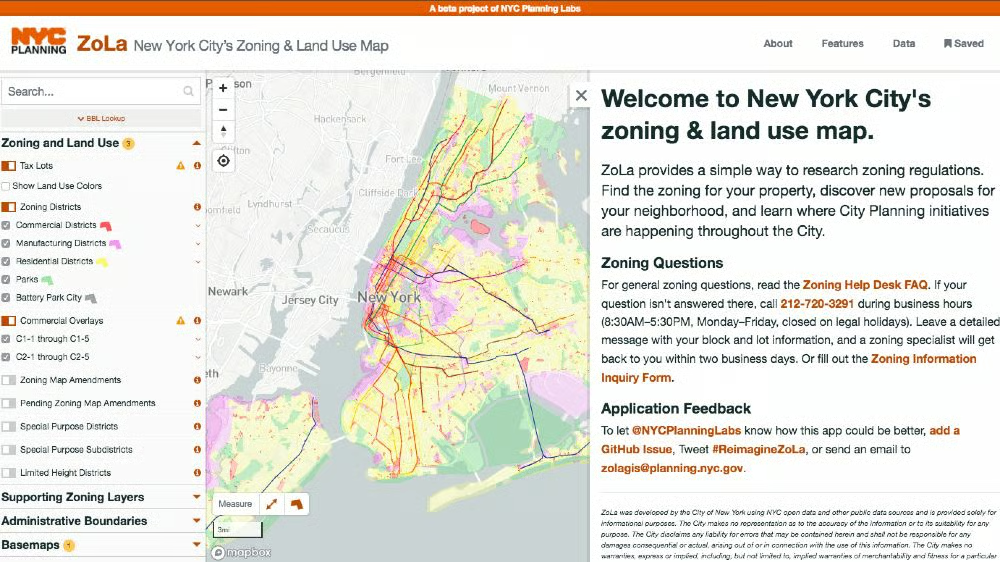
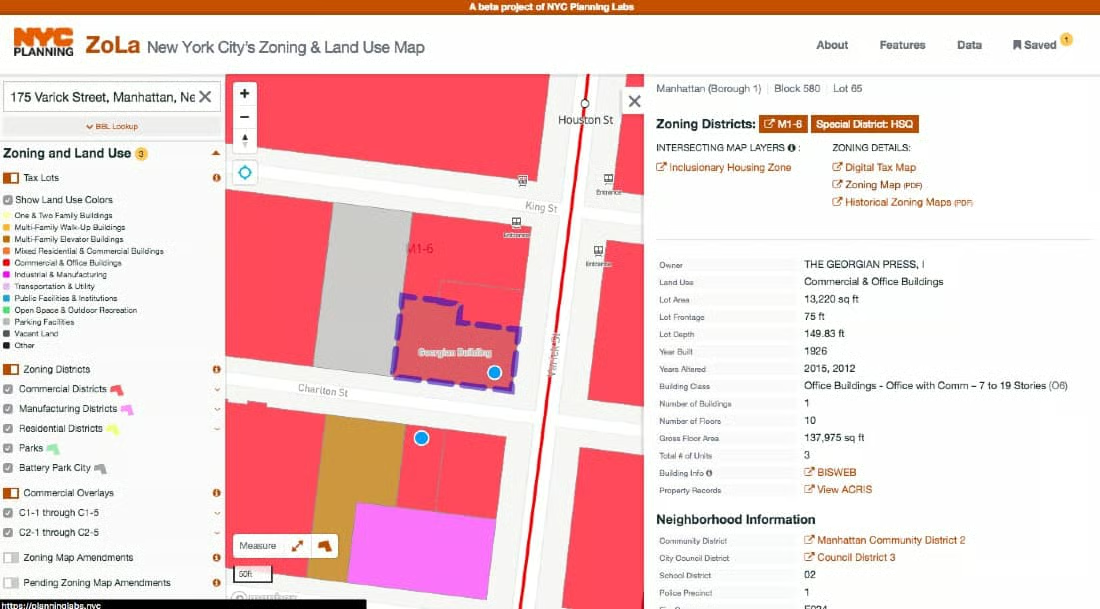
Here’s a quick cheat sheet:
| Zone | What Does It Mean | Notes |
|---|---|---|
| Residential | Have to apply for a Home Occupation permit, or something similar. to run business out of home. No commercial buildings are allowed. | You can run many types of business out of your home however there usually restrictions. For example in New York City there is a limit on the size of the business area of a home and certain businesses like public relations or beauty parlors are not allowed. |
| Commercial | Allowed to erect buildings for business and conduct business operations. | Often there are subtypes of commercial zones such as office building or retail. |
| Industrial | Can erect buildings for certain businesses and conduct business operations with higher noise levels and waste. | There are often subtypes of industrial such as light manufacturing or chemical intensive. There are usually strict safety and environment codes associates with these zones. |
| Agricultural | Generally, for farming. Restricts non-agricultural use and development. | |
| Historical | Mostly homes or building districts over 50 years old. Allow businesses, but have to keep buildings as intact as possible and only certain changes and renovations can be made. | |
| Aesthetic | Most prominent in cities. Allows some businesses, but requires buildings and businesses to abide by certain color schemes, landscaping requirements, building restrictions (decks, etc), and more. |
Sometimes, a property may have multiple designations, like Residential-Commercial or Commercial-Residential, also known as zoning overlap, which allow owners or occupiers of the opportunity to use it in either way.
#2 – Whether Your Business Is Allowed In This Zone
If you’ve figured out what zone you’re in, congratulations, you just completed the easiest part of the process. Now it gets hard. Most zoning regulations have evolved over a great deal of time through very specific legislation targeting specific city sectors. So most areas have very complex regulations. Just to make it even harder most municipalities have adopted their own shorthand for referencing various allowances and restrictions. You need to cross reference zones with allowance categories and then check on any specific variance to that unit or area.
The first step is to map your zone to allowed uses. For example in New York you find the Zoning District for your zone. You then look up the uses allowed for that district.
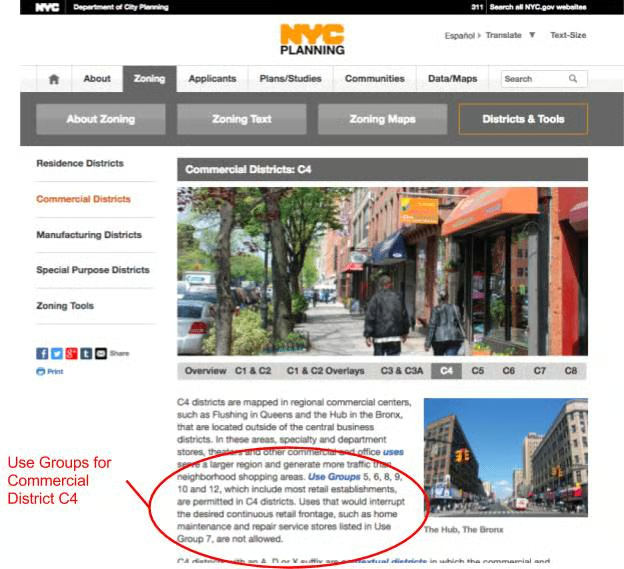
You then look up the Use Group definition. Here’s an example of “Use Groups” in NYC. It’s buried in a Zoning Resolution.
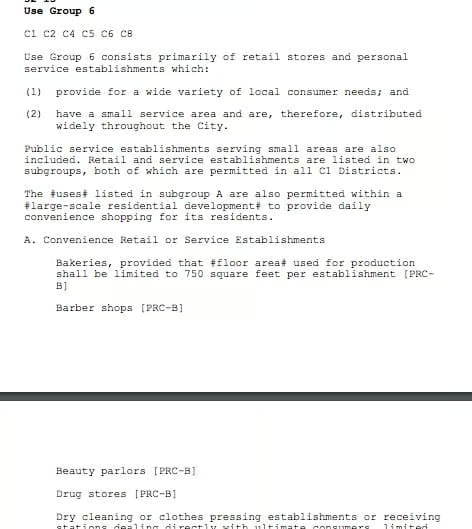
In addition to the base classification there may be special designations allowing or disallowing specific uses.
Sometimes, searching online is not enough. You may need to visit the county recorder’s office to check the covenants for a neighborhood or lot.
#3 – What the Building Requirements Are
Whether you’re building a new building or altering an existing building you need to know the building requirements for your zone. For example zoning laws might dictate a certain Floor Area Ratio (FAR) which is the maximum amount of building square footage for a given lot size.
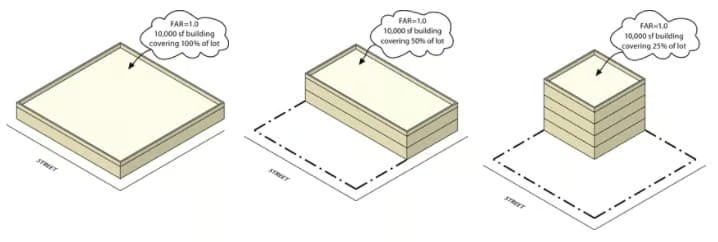
Building zoning laws also cover areas such as parking, walkways – internal and external, required setbacks or distance from the street, and number of rooms allowed.
Building Codes
In addition to building size other building requirements covered by zoning laws there are number of building requirements covered by local building codes. These include:
- Building administration, e.g. licensing, maintenance, etc.
- Plumbing codes, e.g. fixtures, water heaters, sanitary drainage, storm drainage, water piping systems, etc.
- Mechanical codes, e.g. ventilation, boiler and water heaters, solar systems, etc.
- Fuel gas codes, e.g. gas piping, chimneys, appliances, etc.
- General building code, e.g. interior finishes, fire protection , exits, building materials, etc.
Americans With Disabilities Act
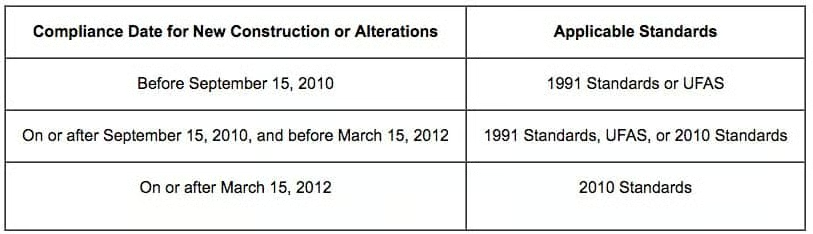
In addition to zoning ordinances and building codes, all new construction in buildings must conform to the Americans with Disabilities Act (ADA). This Federal law generally covers:
- Accessible entrances
- Accessible routes
- Accessible restrooms
- Accessible telephones
- Accessible drinking fountains
- Accessible parking, storage, and alarms
Check the jurisdiction’s permit database to see if any construction has been done on your space since 1990, when the ADA went in effect. If not, you or your landlord may be responsible for bringing the space up to code.
Permits Required
If your building or altering a building there’s going to be a slew of permits that you need to acquire. This process may also include a chance for those in the area to challenge your building plans. If there are any permits in process or approved before you acquired the property but have not built yet you may be required to finish those projects as well.
Restrictive Covenants
In addition to any municipal regulations you may be subject to land developer restrictive covenants. This is especially true for leased properties. The developer of the property may have restrictions on what you can do including signage, aesthetics, parking, etc.
In general while it’s good to know what’s in the zoning and building codes your best bet is to work with a licensed contractor who is familiar with building regulations and necessary permits for your zone.
#4 – What the Signage Ordinances Are
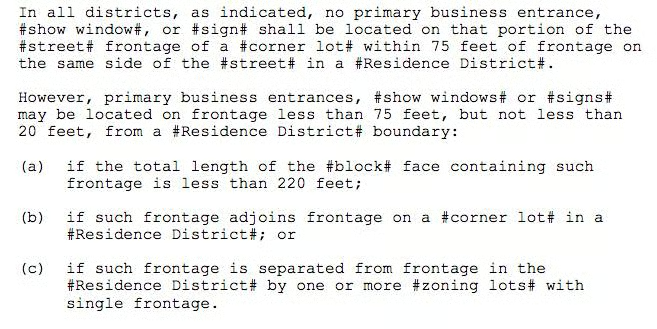
Most cities and counties also have separate sign ordinances written into the zoning code that you have to comply with, even if you are in a commercial zone. If you are considering space in a historic office building, the modern sign that you’ve designed for your brand may not be allowed. Sign companies consult these codes when applying for permits, but you should too before signing leases or purchase agreements. Check with your county recorder and zoning committee for more details.
When You Can’t Find the Answers
If you’ve combed through all the databases and still aren’t sure what you can or can’t do, it’s time to make a phone call or take a trip to an office. Most planning and zoning offices have analysts available during business hours to answer questions about permit applications. Some jurisdictions will also have record centers available, where a technician can answer questions and even do the research for you. Never hesitate to ask a question. Not asking questions upfront will lead to more headaches, wasted time, and unnecessary spending down the road. But when in doubt get professional help.
Bottom Line: Do Your Research or Hire a Professional
Before you think about moving your business into a commercial property or doing construction on your property make sure you understand the zoning and building ordinances related to your property and business. Or get professional help. Make sure you understand:
- How your property is zoned
- What businesses are allowed
- What the building requirements are
- What the signage restrictions are
You’d hate to get far into your planning or even start a move or construction only to find out that your out of compliance and all of that work was for naught.
