


Sales funnels visualize where prospects are in the buying journey of a sales process and assist in lead generation and sales forecasting. Creating a sales funnel involves understanding your company’s sales process, breaking it down into stages, and designing your funnel visual before entering customer data. Here, we show you how to create a sales funnel for free in four easy steps. We also offer a free simple sales funnel template in spreadsheet form and four more templates based on different business types.
Free Customizable Sales Funnel Template
To create a custom sales funnel for your business, download our sample sales funnel template. We have created a sales funnel Excel template you can customize for your sales process. You can also download it in Google Sheets form.
In this article, we dive into four essential steps to creating your own sales funnel:
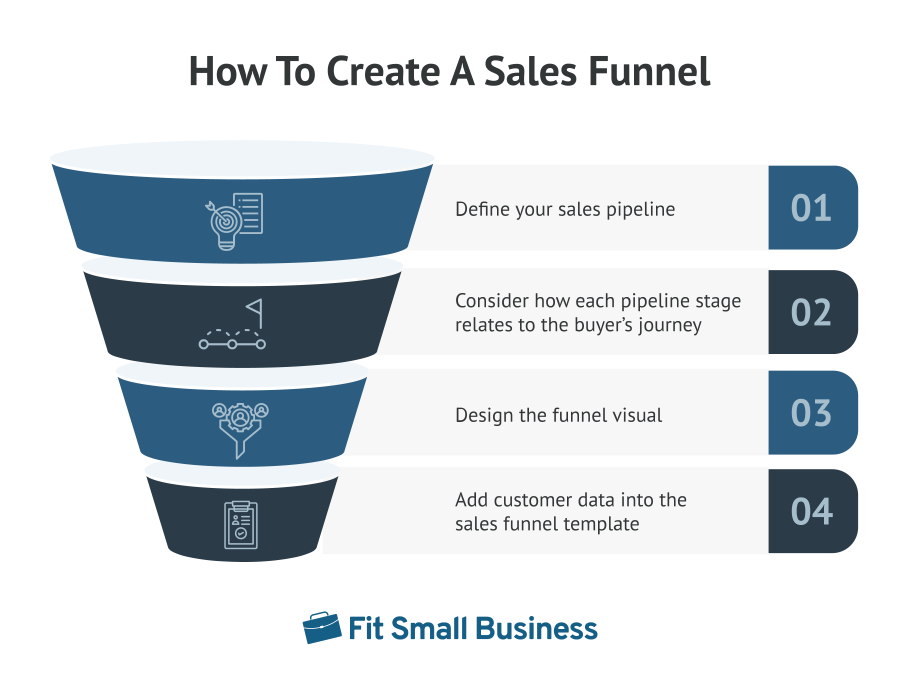
Step 1: Define Your Sales Pipeline
First, determine what your sales pipeline stages are by evaluating your sales process. The sales pipeline stages are internal activities that occur in the process grouped into larger categories, such as generating, qualifying, and nurturing leads.
For example, the sales funnel outline typically starts by identifying prospects and introducing them to your business, solution, or offering. You would then define a sales pipeline stage around the groups of activities you need to complete to generate a lead.
Step 2: Consider How Each Pipeline Stage Relates to the Buyer’s Journey
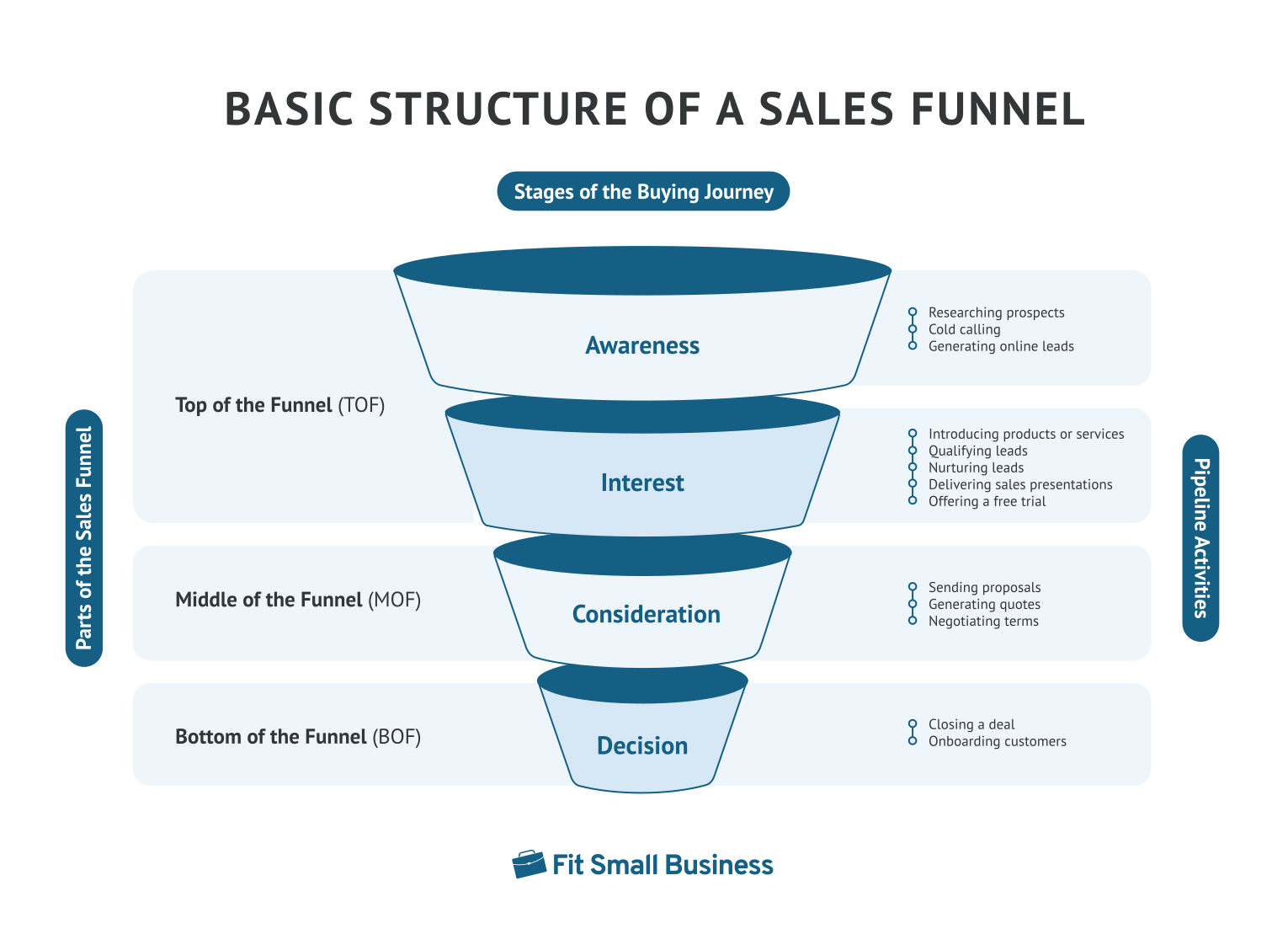
Once the sales pipeline is established, think about how each stage helps move a lead closer to making a buying decision. Below are some examples of stages of the buying journey and how they relate to both the structure of a sales funnel and common activities found in a sales pipeline.
Creating Awareness
This is the top of the funnel when the lead becomes aware of your brand and what your company offers. Pipeline activities like researching prospects, cold calling, and generating online leads result in this stage, and this is where prospects enter your sales funnel.
Fostering Interest
This is when you get new leads interested and guide them as they learn more about your business. Pipeline activities like introducing products or services, qualifying leads, and nurturing leads using email marketing or direct mail can move prospects to this stage.
Pitching Your Offer
The lead gives your business the opportunity to make an offer. Pipeline activities like setting up and delivering a sales presentation or offering a free trial move leads to this stage.
Considering a Purchase
The lead has all the information required to make a decision and shows intent to buy. Pipeline activities like sending proposals, generating quotes, and negotiating terms move leads to this stage.
Decision-making
The lead elects to purchase from your business. Pipeline activities associated with closing a deal and onboarding customers lead to this stage. Alternatively, if the lead decides not to buy, they may fall out of your sales funnel altogether or revert to a previous stage, such as pitching your offer or considering the purchase.
Step 3: Design the Funnel Visual
Once your funnel’s stages are established, create a lead generation funnel template as a visual for your business. Add funnel stages in chronological order from the top going down.
The initial stage in the lead funnel template, where leads are generated, is at the widest part on top. Whereas, the final stage—where the lead becomes a customer—is at the narrowest part at the bottom.
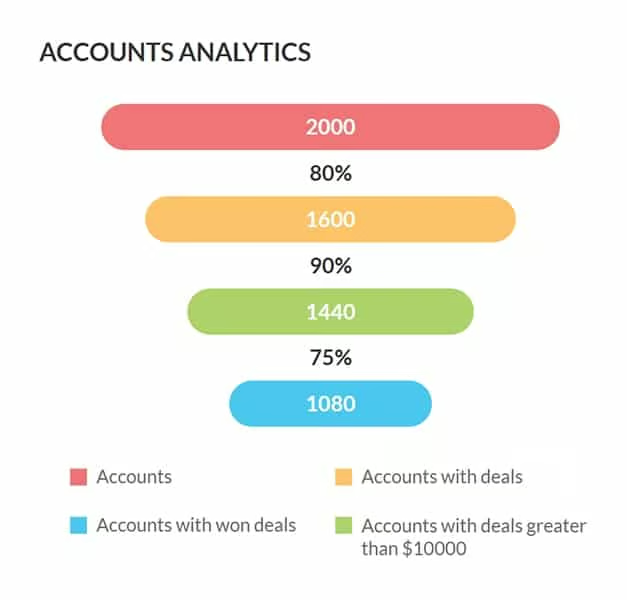
Many customer relationship management (CRM) systems help you save valuable time by doing this for you. CRMs aggregate the data in your system and visualize it with displays, including sales funnel charts.
For example, check out the customized sales funnel diagram from Zoho CRM below. After you have configured the stages of the sales process you want to track, the platform generates this chart, which shows changes in the percentage value of every stage. The top of the sales funnel stages template below shows how many accounts you currently have, which is visualized in the widest shape at the top. It then narrows as the total number of leads at each stage gets smaller.
Step 4: Add Customer Data Into the Sales Funnel Template
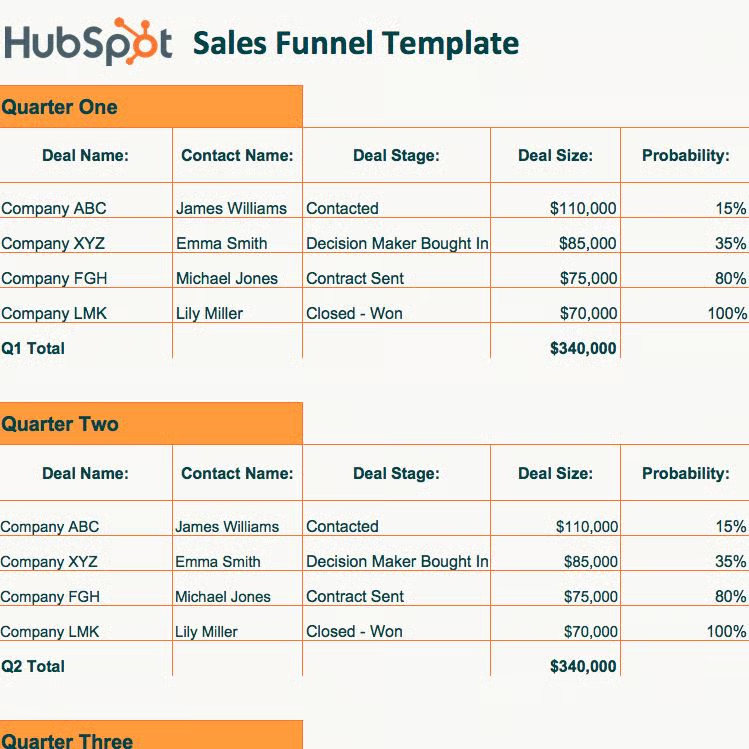
Once your customer funnel template is created, use prospective customer information to create a real-time sales funnel for each prospect. To do this, you’ll need to monitor the status of each lead and track your interactions with them.
You can do this manually or via spreadsheet apps, like Excel or Google Sheets, but a CRM is the most efficient way to manage customer data and generate visual sales funnels. A CRM like HubSpot stores prospect information and aggregates it. It also generates visual charts showing how many leads are in each stage of the funnel, corresponding revenue opportunities, and where individual prospects are in the funnel.
Sales Funnel Examples & Templates
Sales funnels vary by industry, product and service offerings, and operational structure. Small businesses also find that certain sales funnel stages last longer than others. For example, creating customer awareness can be quickly accomplished through one phone call or email, while gauging the customer’s interest may take multiple follow-ups and long-term nurturing to accomplish.
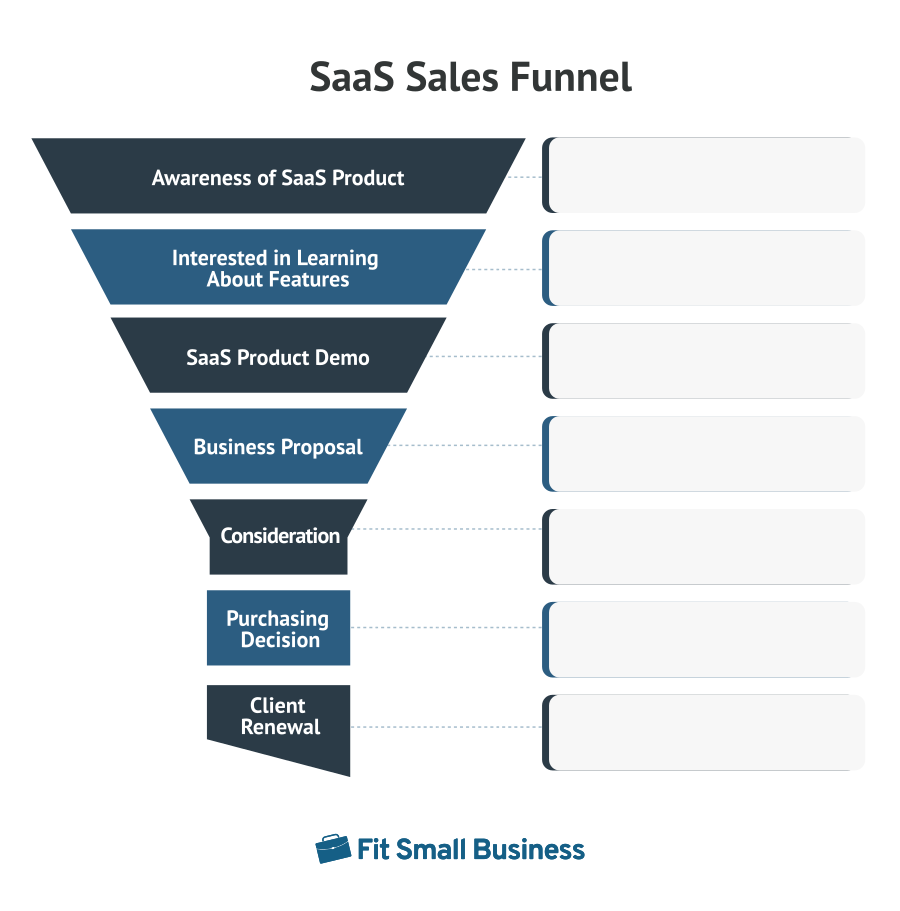
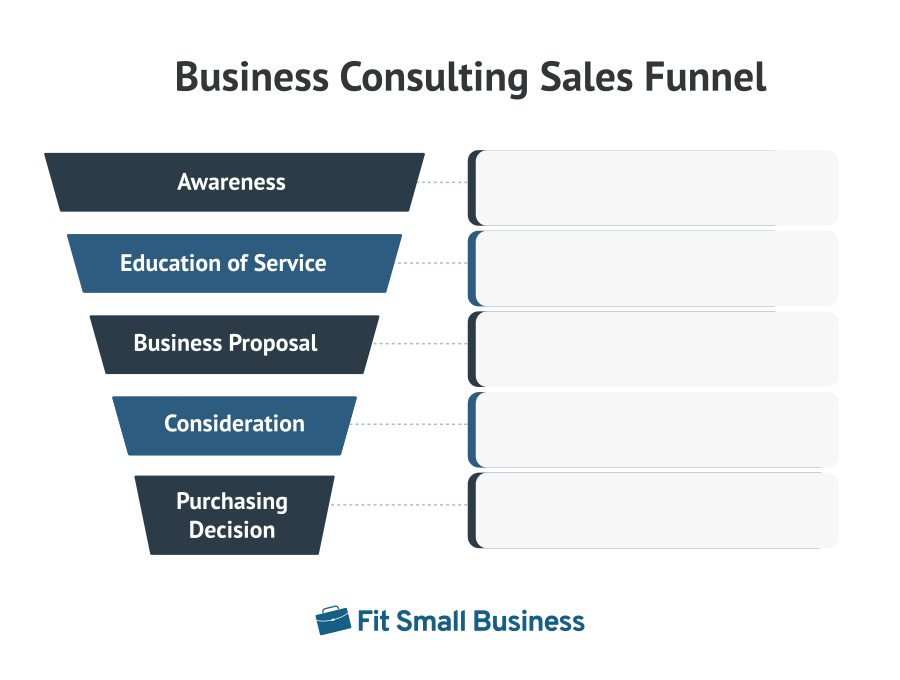
Take a look at our four downloadable sales funnel examples based on varying business types below. Each file has a pre-filled version and a blank sales funnel template you can customize with your company’s major stages and corresponding sales process activities. Your sales funnel outline will visualize the journey leads take with your business, from becoming a prospect to buying and becoming your customer.
1. SaaS Sales Funnel
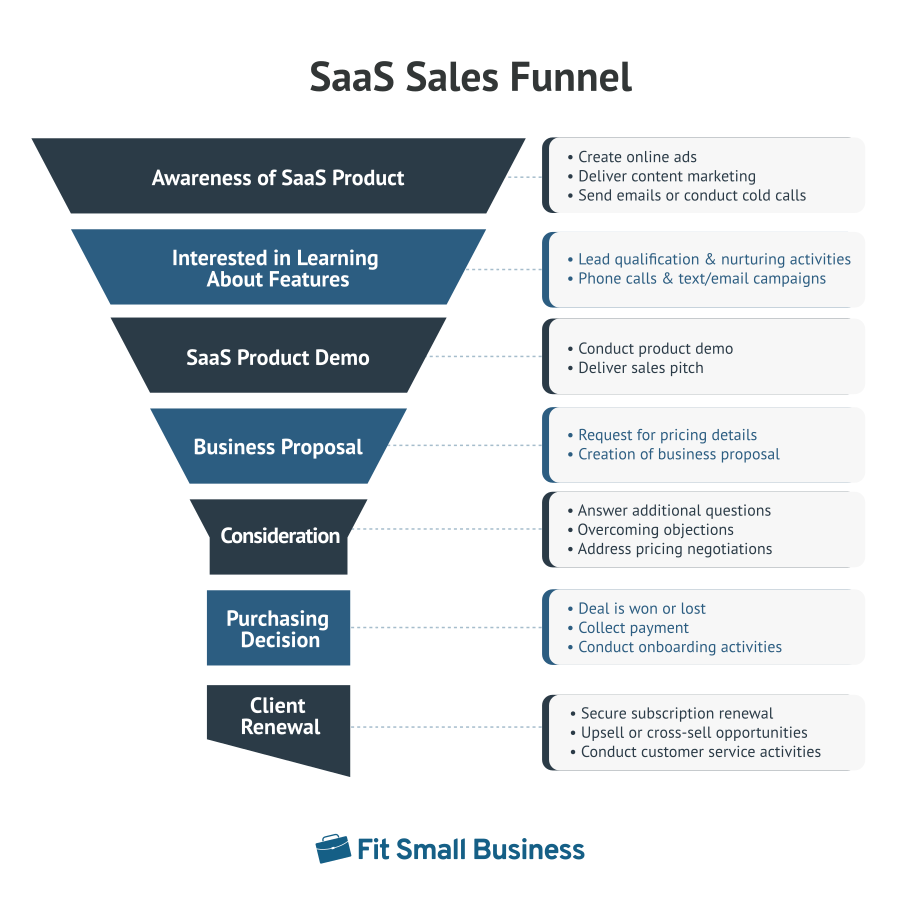
Selling a software-as-a-service (SaaS) product requires a prospect to become aware of your product and gain an idea of how it works, often through a product demo or free trial. A SaaS sales funnel may involve more steps than usual due to the following reasons:
- The research and learning needed to make a sound purchase decision.
- Purchases are often subscription-based, which requires sales activities for both producing and retaining current customers.
Below are the stages involved in the SaaS sales funnel:
Awareness of SaaS Product
Potential customers become aware of your SaaS product through online ads, content marketing, introduction emails, or cold calls. They enter the funnel and become a lead.
Interested in Learning About Features
Leads become interested in learning about the features of your SaaS product. This is done through lead qualification or nurturing activities, such as phone calls and email marketing. Once they undergo the sales qualification process, they become prospects.
SaaS Product Demo
A formal demonstration of your SaaS product features is presented, showing what the product interface looks like, how it works, and what it enables the prospect to accomplish. At this stage, you will need to track essential metrics such as the number of free trial downloads, free trial activation rate, and requests for personalized demos.
Business Proposal
The prospect likes the features included in your SaaS product and requests pricing information and service terms. In response, you could give an overview of all your pricing plans. If you have a freemium plan, you could also highlight its limitations and gently encourage them to upgrade to a higher tier.
Consideration
The prospect is deciding whether to purchase and may negotiate with your business on pricing and terms. At this point, you could emphasize the strengths of your product and how it matches their business needs.
Purchasing Decision
The prospect decides to either subscribe to your SaaS product(s), select a different option, or not purchase any product at that time. Onboarding and payment transaction activities take place if they decide to purchase.
Client Renewal
Current customers either renew their subscription, upgrade to a better plan, or decide to unsubscribe from your product. Account management and customer service activities help get customers to the renewal stage. Some of the activities that can help improve customer retention rate are collecting customer feedback and implementing a customer loyalty program.
2. Business Consulting Sales Funnel
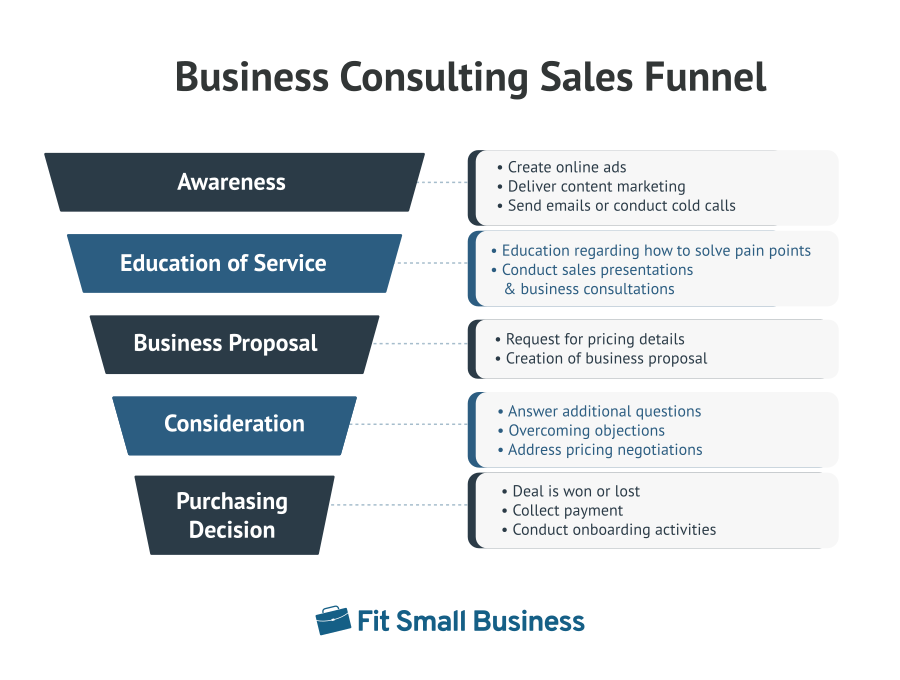
A business consultant may include any business-to-business (B2B) services for managing or advising on a particular function or department of an organization. Examples include marketing agencies, information technology (IT) management, tech consulting companies, law firms, accountants, and management consultants. For consulting businesses, both awareness and education about services are usually needed before a proposal is sent.
Below are the stages involved in the business consulting sales funnel:
Awareness
Business buyers and decision-makers become aware of how your business can fulfill a particular need for their organization through activities like online ads, content marketing, or a cold call or email introduction. They enter the funnel and become a prospect.
Education of Service
Prospects learn how your service can solve their problem and your unique approach compared to other options. Sales presentations and consultations help educate and qualify potential customers for this stage.
Business Proposal
Prospects are interested in seeing pricing estimates and scope of work proposals. Sending quotes and comprehensive explanations about how the service will be provided is included in a business proposal.
Consideration
This is when prospects are pondering a purchase decision. This also includes negotiation with your business on pricing and terms.
Purchasing Decision
The prospect decides to either enroll in your consulting services, select a different option, or not purchase a solution at that time. Onboarding and payment transaction activities take place if they decide to purchase.
3. Agency/Broker Sales Funnel
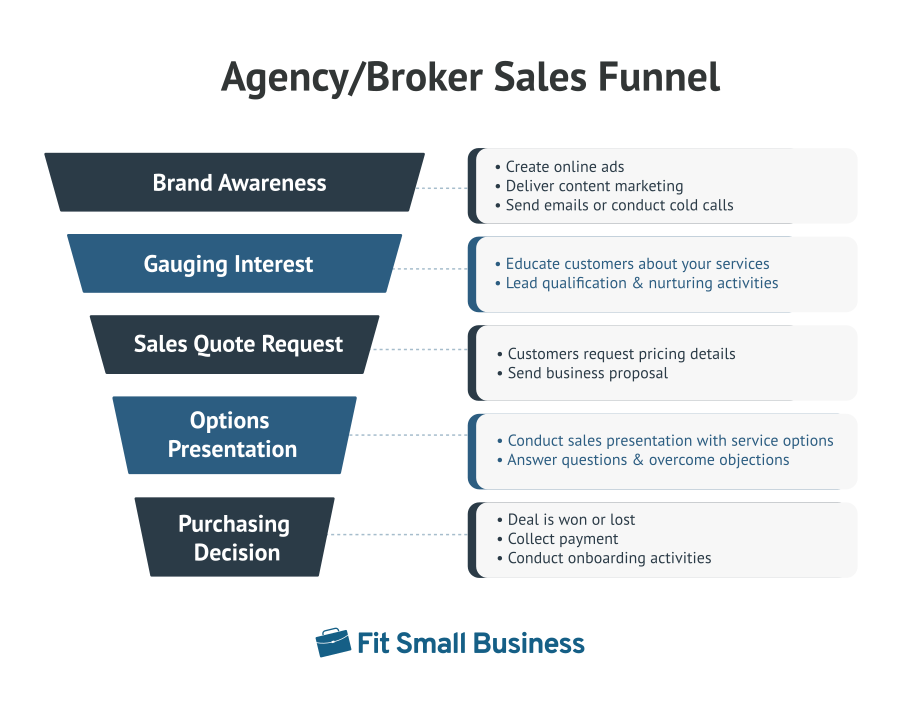
An agency or broker is a business that sells products by representing multiple providers as authorized “agents” who “broker” the product or service being sold. Common examples are insurance agencies, mortgage brokers, and financial advisers. For most of these businesses, underwriting requirements are needed behind the scenes to create a quote. Underwriters assess applicants and calculate premiums to ensure that the company remains profitable.
Below are the stages involved in the agency/broker sales funnel:
Brand Awareness
Individuals or business buyers become aware of your business or a specific product offering through online ads, content marketing, or introductions through email or cold call. They enter the funnel and become prospects.
Gauging Interest
Prospects are interested in learning about the options you offer. This is done through lead nurturing and qualifying activities such as phone calls or emails, where you ask questions and provide info to determine which of your solutions would most benefit the prospect.
Sales Quote Request
The prospect likes what they heard when you were gauging their interest, so they request pricing estimates and product options. Here, it is best to give them multiple options to aid in their decision to purchase the product.
Options Presentation
The prospect receives the quote or proposal, typically via an in-person or online presentation, where they can ask questions about the various options to make an informed decision. Make sure that you include the pertinent details of their options, including the strengths and limitations of each product. This way, they could easily see which option best fits their business needs.
Purchasing Decision
After seeing the options, the prospect decides to either purchase from your business, purchase from another business, or not purchase any products at that time. Onboarding and payment transaction activities take place if they decide to purchase.
4. Ecommerce Sales Funnel
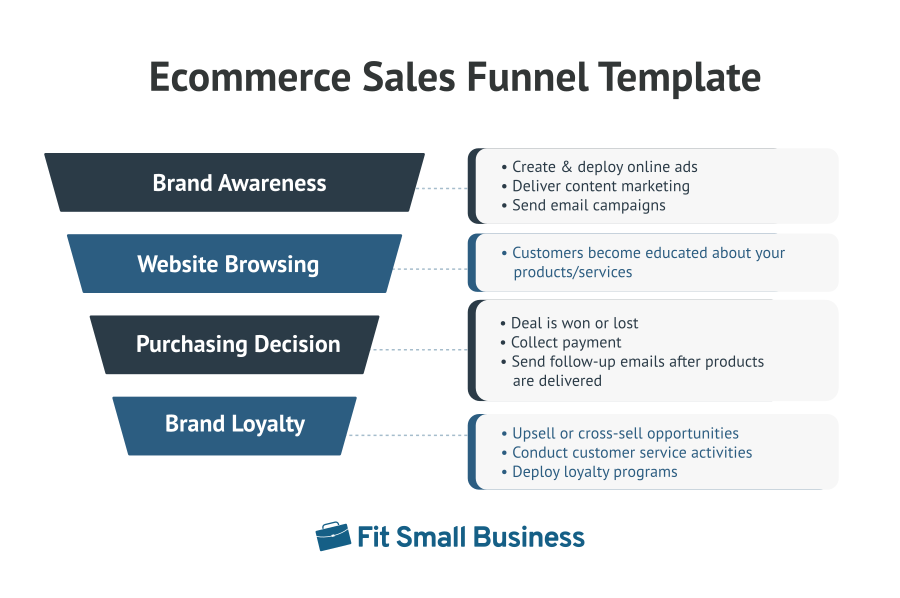
The ecommerce business sales funnel is best for companies that sell products online. Online businesses usually have a simpler sales funnel because sales reps don’t always need to be involved in the process for quotations and product presentations. Most of the necessary product information is already displayed on the site. Customers generally become aware of the ecommerce site and make purchase decisions on their own.
Below are the stages involved in the ecommerce sales funnel:
Brand Awareness
Potential customers become aware of your business, online store, or a specific product you offer through online ads, social media, or content marketing that drives website traffic and enters your sales funnel.
Website Browsing
The online shopper navigates to your business website to learn about products they are looking for or products they’ve just become aware of. Prospects in this stage may use the “add to cart” or “favorite” features for items they are thinking about buying.
Purchasing Decision
After browsing your ecommerce website, the online shopper decides to either check out and purchase your product(s), buy from a different store, or not purchase anything at that time. Payment transaction activities and collection of shipping information take place if they decide to purchase.
Brand Loyalty
After an initial purchase, customers may re-purchase from your business if new products are available or if updates on current ones are made. You can use loyalty programs, email marketing strategies, and personalized promotions to keep customers coming back.
Bottom Line
Download our free sales funnel templates and personalize them to visualize your customers’ journey from start to finish. It can also help you improve your sales processes, better forecast revenues, and set and manage sales goals more effectively. Any of the sales funnel examples we provided may be a more accurate depiction of your sales process’ buying journey. You can take inspiration from them to identify the activities needed to move leads through your sales funnel.
