








Circular fashion involves designing, manufacturing, and using clothing and fashion products with the goal of extending their life cycles and minimizing waste. On the producer’s end, this can mean sourcing sustainable materials or reusing or recycling materials back into the production phase, rather than being discarded as waste and removed from the process entirely.
A simple example of circular fashion is a clothing business that consistently uses high-quality and durable materials in its products. This means the clothes will last longer before eventually becoming unsuitable for wear, and even then, they can be recycled or reused for other purposes.
Circular vs Linear Economies
Circular fashion is rooted in the principles of a circular economy. Circular economies operate in contrast to linear economies, which you typically see in a retail supply chain.
In a linear economy, products are manufactured, sold, and discarded as needed; the focus is primarily on efficiency and profit rather than sustainability and longevity.
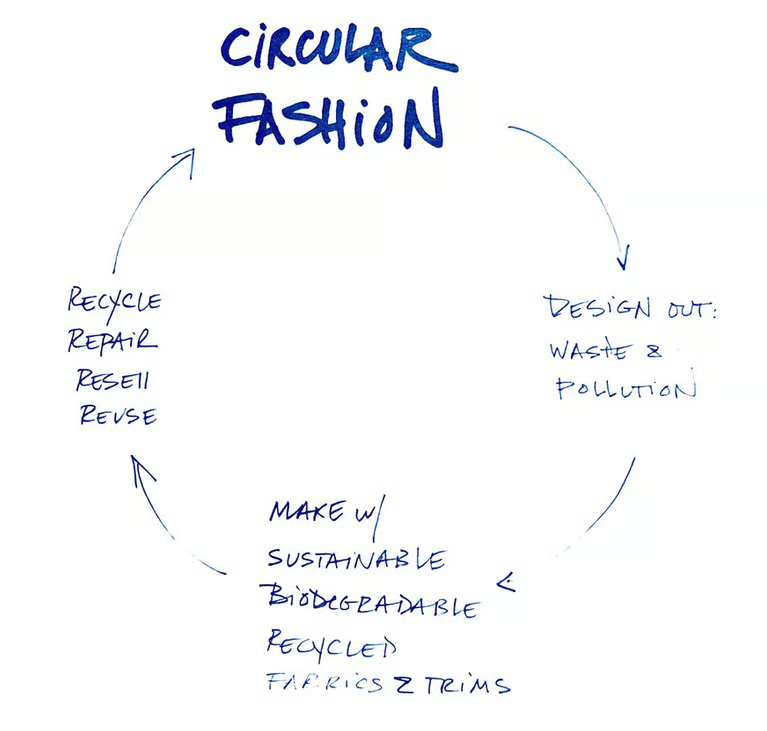
In a circular economy, products are repaired, reused, and recycled as often and as much as possible. The general approach is to make items last and remain useful as long as possible, before needing to discard them. The processes in a circular fashion economy aim to minimize waste, pollution, and overall negative effects on the environment.
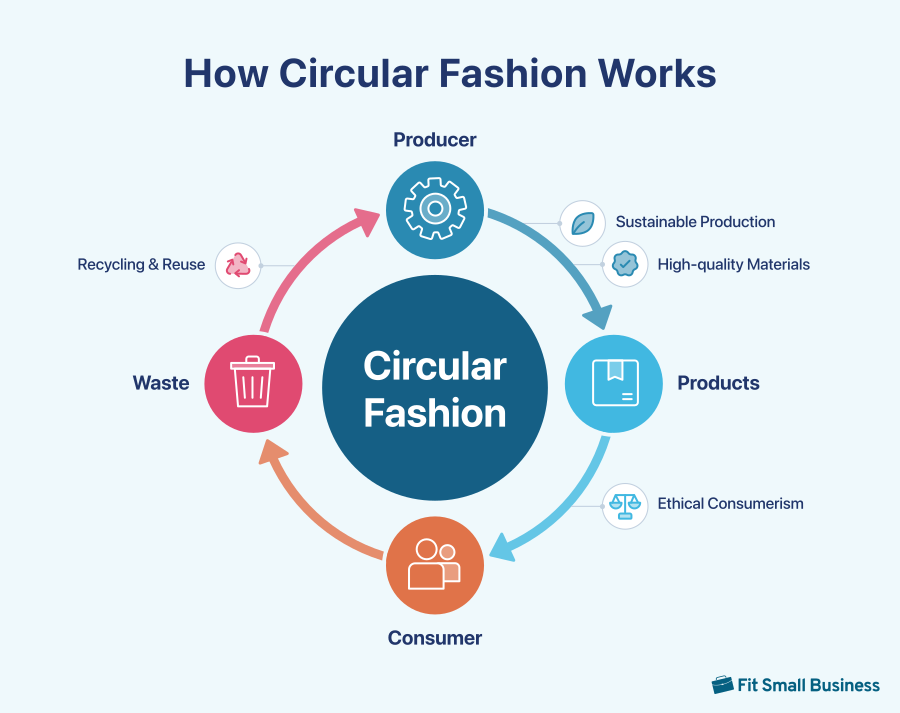
A circular economy approach to commerce encourages businesses to develop processes that make their products sustainable and reusable and their operations efficient and low-waste. Over the long term, this type of business development can lead to cost savings (due to more efficient operations and processes), greater profits (due to monetizing or reusing waste materials), and better brand reputation, particularly among sustainability-minded shoppers.
Key Aspects of Circular Fashion
Circular economy principles applied to the clothing industry can come in the form of:
- Textiles designed for multiple uses, longevity, and repair
- Sustainable and eco-friendly materials
- The sale and promotion of secondhand, reused, or rented clothing
- New or modified company procedures:
- Make products easy to reuse, disassemble, or upgrade
- Source materials sustainably and locally
- Streamline or reduce packaging
- Use sustainable packaging materials
- Commit to zero-emission or carbon-negative processes
- Prioritize services over products
- A supply network designed to circulate products and materials locally and globally
- A “slow fashion” approach to clothing—focusing on high-quality, timeless, sustainable fashion products rather than chasing trends or production speed
Circular Fashion vs Sustainable Fashion
Circular fashion is one aspect of sustainable fashion. The latter is a broader set of efforts within the fashion industry, that not only includes sustainability and reduced environmental impact, but also recognizes and addresses excessive production, upholds workers’ rights and fair working conditions, and practices transparency and accountability.
Integrating Circular Fashion Principles Into Your Small Business
A small business can integrate the basic principles of circular fashion into its products and processes, making it a more attractive choice to customers and investors—without sacrificing profitability.
Here are some ways you can successfully make this integration as a small business operator.
Clarify the Why & Who of Your Efforts
Before you decide to integrate the principles of circular fashion into your business, you need to be clear on why you’ll be doing it, and who you’ll be doing it for.
The concepts and principles of circular fashion are most likely to appeal to consumers who adhere to ethical consumerism and prioritize sustainability, longevity, and environmental protection. Keeping this target audience in mind will help you design advertising and marketing materials that promote your circular fashion principles as effectively as possible—leading to increased sales from the right consumers.
Recognize the Benefits of the Circular Approach
Implementing the principles of circular fashion economy in your business can help your marketing efforts and make your company look good on paper, but the advantages extend beyond that:
- Reduced costs: By reducing the consumption of raw materials, it will be easier and less costly for you to produce goods and services. You’ll better maximize the raw materials you do have, making your production more sustainable overall.
- Competitiveness: The compound annual growth rate of the global circular economy market is at about 8.10% from 2022 to 2030—meaning it’s a good time to invest in the approach for your own small business.
- Additional sales channels: Switching your business over to operate in a circular economy can open additional sales channels and opportunities, such as for repairs and secondhand sales.
- Improved brand reputation: The circular fashion approach can help you appeal to a wider customer base, especially with the growing movement toward sustainable products among consumers. Explicitly sharing your brand’s commitment to circular fashion practices can improve your reputation among consumers.
Related:
Implement the Circular Approach to Business Operations
The principles of recycling, reuse, and maximizing each resource don’t just apply to the final products you produce. You can apply this mindset to your business processes and operations as well.
For example, think about and look for ways in which the waste your business produces can be turned into an additional revenue stream. Perhaps unused or waste materials can be repurposed into new products like furniture or clothing, or refined and then resold. Services related to reuse and recycling—such as repair or redistribution of secondhand products—can be monetized to become additional revenue streams.
Finally, making your business more efficient at extracting all possible value from every step of the design and distribution process will help you be less affected by supply chain issues or material shortages. This resilience will help protect your operations and your bottom line during times of instability or uncertainty.
Examples of Circular Fashion Brands
Many clothing brands have adopted circular fashion designs, particularly the principles of recycling and minimizing waste. Some even offer incentives for customers to support these principles or look beyond production and focus on ensuring good working conditions for employees as well.
Here are some examples of these circular fashion brands:
- Women’s wear brand Minimalist creates pieces using biodegradable materials designed to be recycled at the end of their life; they also use sustainable packaging such as compostable and non-toxic garment bags. In addition, they manufacture clothing locally in New York City, supporting the local industry and ensuring good working conditions.
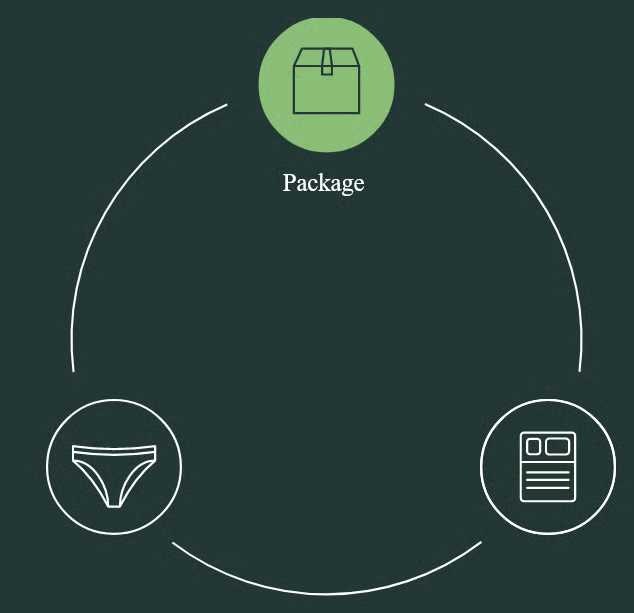
- Underwear brand Subset uses natural fibers and certified organic cotton for their clothing. This not only increases comfort and safety for customers but also avoids the use of environmentally harmful chemicals. Subset claims to be certified by organizations such as Global Organic Textile Standard and Fair Trade International. Its website includes a regularly updated Impact Report that holds the brand accountable for sustainability goals.
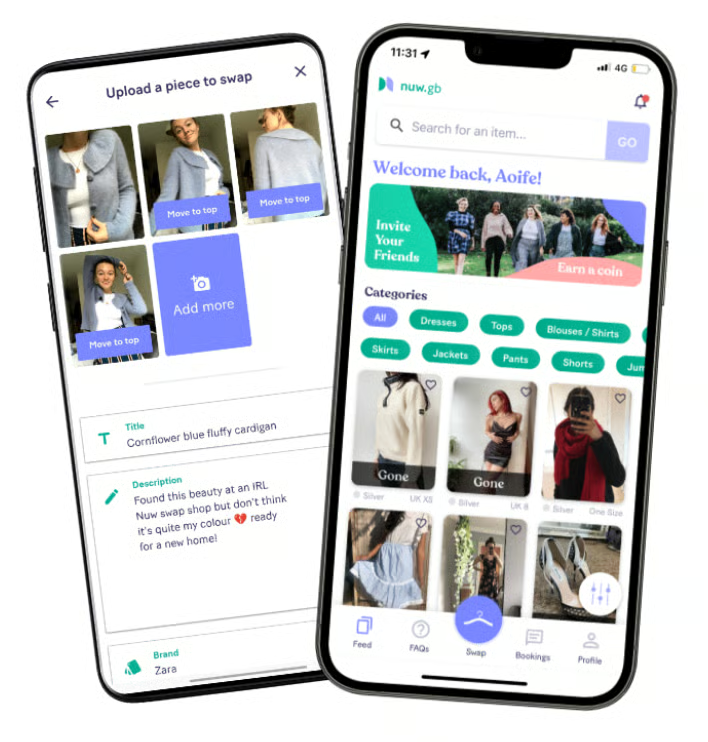
- Nuw is a relatively new US company. It developed an app that allows for swapping and sharing of clothes. Users can give away clothing they are done with or no longer want, and in exchange, receive garments that are not necessarily brand new, but at least new to them. This exchange system lets people get the clothes they want, without having to buy brand-new items or putting more strain on the environment.
Frequently Asked Questions (FAQ)
Click through the following sections to learn more about circular fashion, its benefits and drawbacks, and what its future holds.
What is circular fashion?
Circular fashion is an approach towards the fashion business or industry that prioritizes making every product last as long as possible and minimizing waste. It follows the principles of recycling, reuse of materials and products, and reducing waste and pollution.
What are the advantages and disadvantages of circular fashion?
If a business follows a circular fashion approach, it can reduce spending on raw materials, open new market prospects, gain new customers, and produce goods and services more sustainably. If the business model has already been established, fully integrating circular principles may take some time and effort.
What is the future of circular fashion?
Circular fashion is not a very widespread trend yet, but many companies are adopting its principles. Fashion brands such as Estée Lauder, Aveda, BEEN London, and Minimalist adhere to the principles of circular fashion such as materials recycling and sustainability.
Bottom Line
The circular economy in general, and circular fashion in particular, aim to help people get more out of less while also preserving natural resources, systems, and the environment. Businesses can adopt the principles of a circular approach not only to cater to customers to whom these things are important, but also to expand their market reach, brand awareness, and profitability.
