







Customer service is the support you provide across the buyer’s journey from initial contact throughout the customer’s lifetime of doing business with your company. Customer service includes phone support, in-person assistance, live chat, email, and other means of communication. Its basic principles are understanding customer needs, processing requests, and resolving concerns promptly and to their utmost satisfaction.
An effective customer service program must be established to attain the best results. Creating a customer service program involves determining your customers’ needs and the company’s customer support weaknesses. This can help you plan a strategy to address both, devise a system to evaluate results and enable your employees to provide excellent customer service.
- What Is a Customer Service Team?
- Customer Service Examples: Service vs Support vs Success
- Customer Service & Support Methods
- Types of Customers in Small Business
- Examples of Customer Service Scripts
- Benefits of Customer Service
- Customer Service Best Practices
- History of Customer Service
- Frequently Asked Questions (FAQs)
- Bottom Line
What Is a Customer Service Team?
A customer service team is a group of employees who assist customers with their inquiries, issues, and needs. It consists of a customer service manager who oversees all operations, from rep onboarding to continuous training and representatives, and a customer service representative (CSR).
All employees, regardless of their department, provide customer service across the customer’s journey. For example, the technical support team helps troubleshoot product problems, while the finance team addresses payment issues. But CSRs perform specific support duties:
- Resolving customer concerns
- Assisting customers face-to-face
- Processing customer orders
- Suggesting the best products or services
- Listening to customers to better understand their problems
- Finding actionable solutions for unhappy clients
- Providing remote support through live chat, email, or phone call
- Responding to client questions and complaints
- Following up with customers
- Processing returns and issuing refunds
Customer service tools like customer service software and customer relationship management (CRM) software with integrated customer service modules can help CSRs effectively and efficiently perform their duties and deliver good customer service.
Customer Service Examples: Service vs Support vs Success
Whether it’s customer service, customer support, or customer success, each type of customer assistance involves helping potential and existing customers. Dedicated reps employ similar skills across various communication channels—such as phone, email, and chat—depending on what the business offers.
But service, support, and success aren’t the same thing. Our definitions and examples for customer service, customer support, and customer success can help you understand what your business has—or needs most.
| Definition | Examples | |
|---|---|---|
| Customer Service | Involves a broad range of business activities aimed at meeting client needs with satisfaction |
|
| Customer Support | Focuses on helping customers who contact the service team with questions or issues that need resolution |
|
| Customer Success | Aims to ensure customers achieve their desired outcomes through proactive engagement throughout their lifecycle |
|
Customer Service & Support Methods
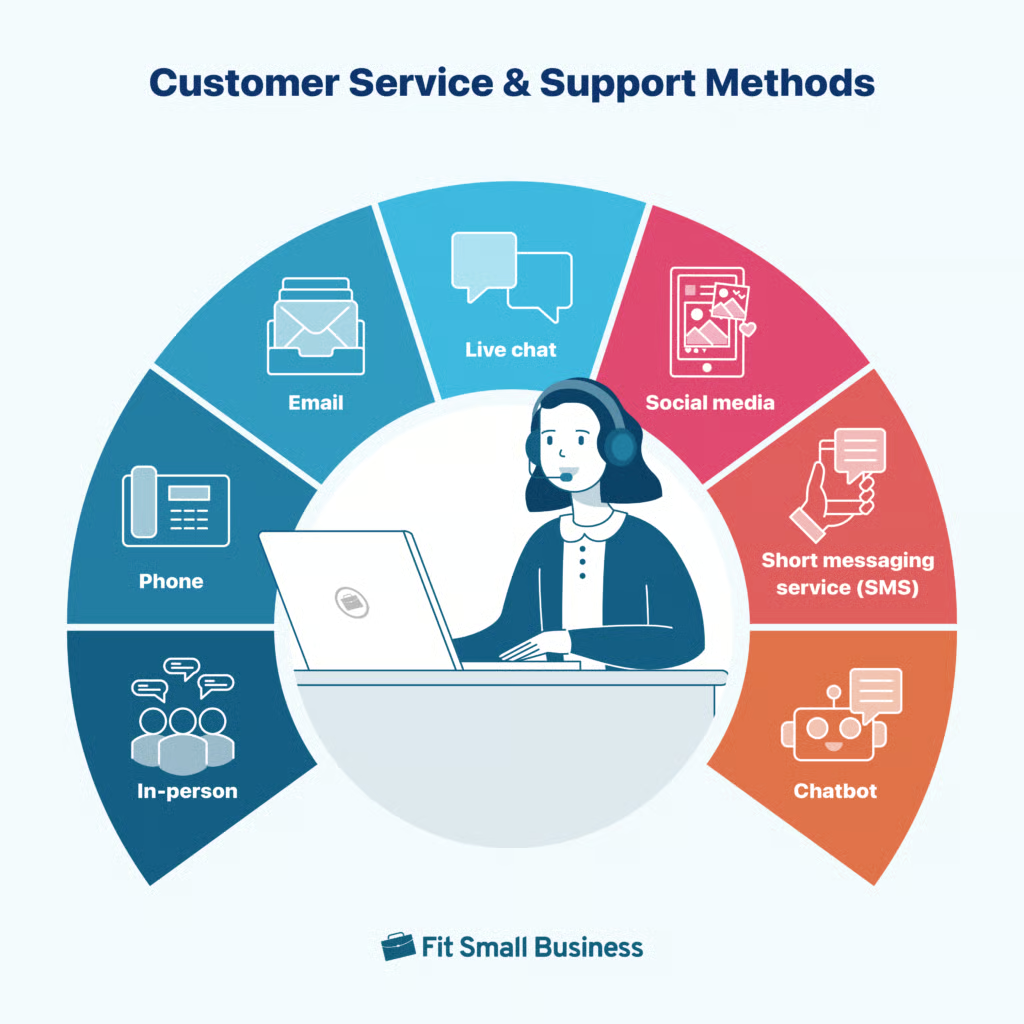
Companies must have dedicated CSRs to ensure customer retention, loyalty, and good long-term business relationships for repeat purchases. There are several ways a small business can serve customers through different communication methods and customer service channels. The common types of customer service support include the following:
In-person Support
In-person customer support is live client interaction, in which the CSR answers the customer’s questions face-to-face. This type of customer service is commonly seen in retail businesses, such as clothing stores and jewelry shops, and field services such as plumbing and cleaning services.
Phone Support
Phone support involves assisting clients through voice calls using a business phone, mobile phone, or computer application. Customer service for small businesses, or businesses of any size, for that matter, has dedicated phone support, usually during business hours or 24/7.
Email Support
Customer service through email involves responding to client inquiries through a dedicated customer service email address. Some customers find this an excellent alternative to phone support, especially those who don’t want to go through interactive voice response (IVR) and are busy professionals. The timeframe to get a response is often 24 to 72 hours, depending on the client’s concern.
Short Messaging Service (SMS) Support
This customer support involves responding to text message inquiries using mobile devices. Solo entrepreneurs and small businesses leverage SMS support to respond to customers immediately. On the other hand, larger businesses deploy SMS automation for bulk messaging to reach wider audiences, especially during company-wide service outages, like what telecommunications companies do.
Live Chat Support
Live chat agents answer customer inquiries in real time via website chat interfaces or mobile chat applications. Online shopping platforms are great customer service examples using this type of customer support.
Social Media Support
Social media customer support uses Twitter, Facebook, and other social media platforms to manage client inquiries and concerns. Companies use social media as a part of their customer service strategy to give more client support avenues while leveraging their brand marketing benefits for an active online presence.
Chatbot
A chatbot or chatterbot is a computer program that automates voice- and text-based customer interaction. AI-powered chatbots are an essential part of customer service automation. Technology and ecommerce businesses usually deploy company website chatbots to provide quick, accurate answers to common customer questions and allow users to file tickets.
Types of Customers in Small Business
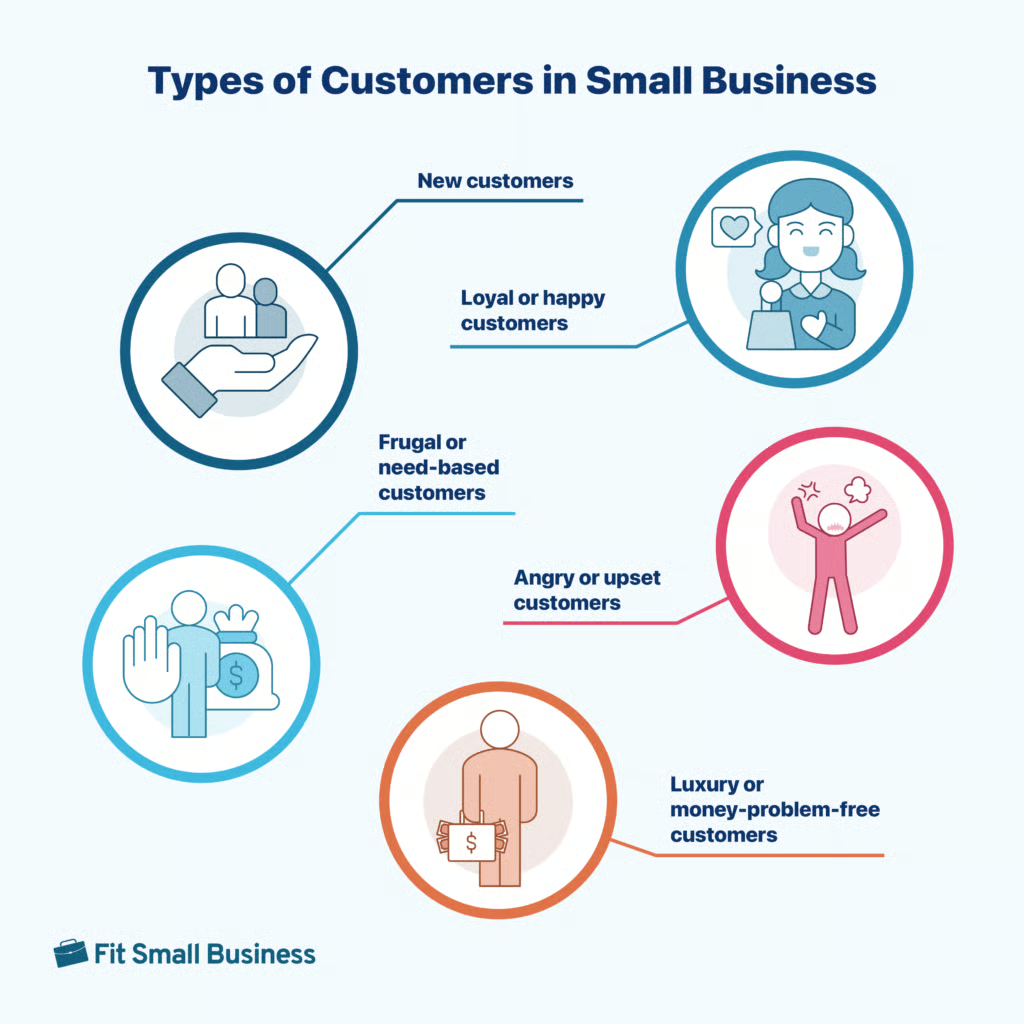
Small businesses encounter different types of customers. Customer service reps are the frontliners, who spend the most time talking with clients. With the rise of call recording tools, customer and quality assurance managers can gain insights into the different types of customers. This valuable information helps them create better customer service strategies to improve individual rep and team performance.
| Customer Type | Description | Customer Rep Clues & Tips |
|---|---|---|
| New Customers | Newly acquired customers are clients who bought your product or service for the first time. Among the different types of customers, they are the ones who have lots of questions, like how to use a product or process a return. |
|
| Loyal or Happy Customers | Happy customers become a business’s loyal customers and brand ambassadors. They love spreading the word about their experience to their family and friends. When loyal customers call in, they feel more confident stating what they need and expect excellent service every time. |
|
| Frugal or Need-based Customers | These customers are always looking for discounts or asking for loyalty or referral programs. They call in to request to offset charges like processing and late fees. They want to get the most for their money and expect reps to give them the best value. |
|
| Angry or Upset Customers | Angry customers are irate, frustrated, or disappointed. They may shout at customer service reps if their requests aren’t processed or their concerns aren’t resolved. Upset customers may also appear sarcastic and insult or ridicule the rep assisting them. |
|
| Luxury or Money Problem-free Customers | These customers splurge because money isn’t a problem for them. They buy what they want without contemplating the price. Among all the types of customers, they’re the ones who are less likely to contact customer care. But when they do, they expect the best service because they know they bring in the most revenue to the company. |
|
Examples of Customer Service Scripts
New CSR training includes studying examples of customer service scripts. Customer support teams undergo continuous training and brainstorming to ensure they have updated scripts and can better serve clients.
Customer Service Greetings
Greeting customers creates a positive customer experience and sets the tone for customer service. Practice these examples of warm customer greetings.
Issue Resolution
Excellent support resolves customer service problems promptly to make clients happy. Below are some examples of customer service scripts when delivering resolutions to clients.
Closing the Call
A good customer service call flow includes a closing spiel. Once the customer’s concern has been resolved, you can wrap up the call with a short and simple message.
Benefits of Customer Service
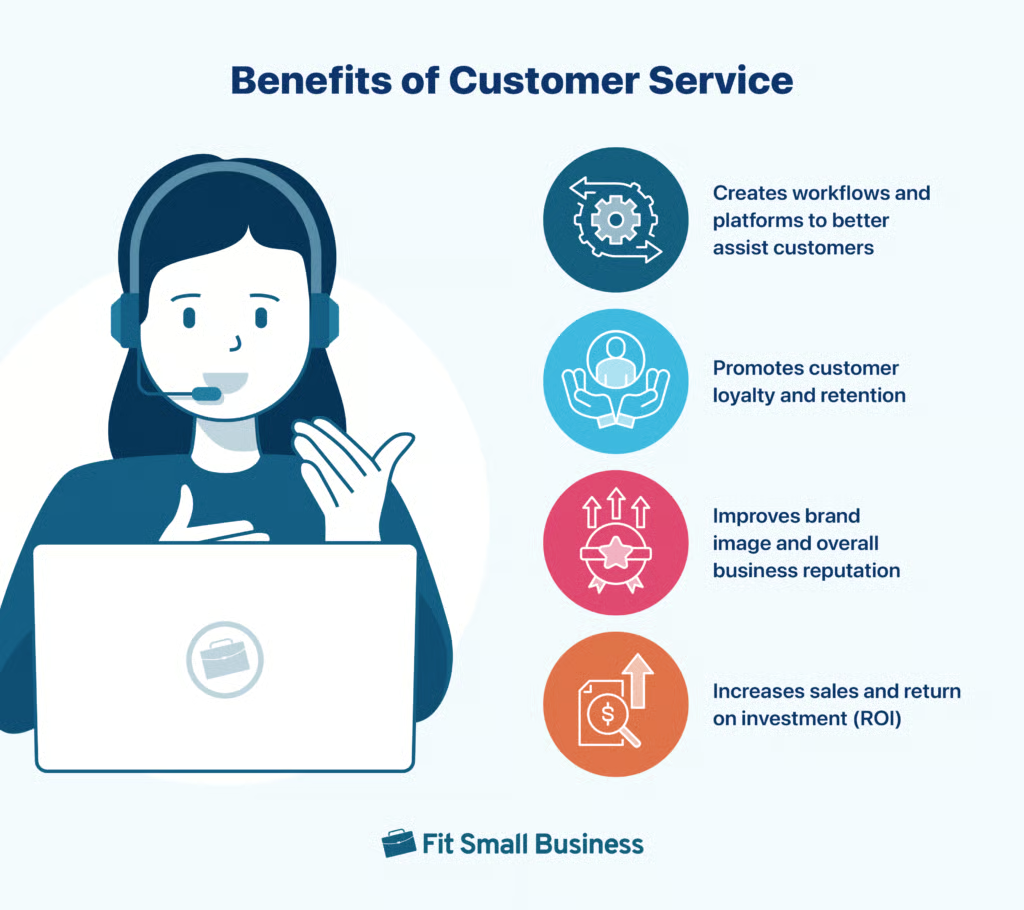
Effective customer service enhances overall customer satisfaction and offers several key benefits to companies.
It Creates Workflows and Platforms to Better Assist Customers
About 78% of customers expect more personalized service across channels, according to HubSpot’s 2024 State of Service Trends Report. A dedicated customer service team is crucial to that effort, ensuring prompt responses that won’t disrupt or delay business operations. Small businesses should create an effective customer service program from the start. Improving this over time leads to a better customer experience.
It Promotes Customer Loyalty and Retention
Happy customers repeatedly purchase a product or service. Customer satisfaction (CSAT) score tracking helps companies build long-term customer relationships. For instance, the average CSAT score for live chat is 68%, which is still low compared with the 75% and 85% industry benchmarks. With additional training and live chat software, live chat support teams can provide better service, earn higher CSAT scores, and drive customer loyalty.
It Improves Brand Image and Overall Business Reputation
Companies use AI assistants to respond to clients quickly, and about 67% of customer support leaders state bots help establish a stronger emotional customer connection. With humans and AI working together, customer support teams can effectively deliver resolutions and measure customer service satisfaction. This contributes to an improved brand image and company reputation.
It Increases Sales and Return on Investment (ROI)
About 47% of CRM leaders in the HubSpot report say their customer service experiences are highly personalized. And they’ve noticed an increase in customer lifetime value when support agents and customers have positive interactions.
With higher engagement and more satisfied customers, businesses make more sales from repeat purchases. Moreover, AI in customer service can help companies scale their operations, spend less, and drive revenue growth.
Customer Service Best Practices
Implementing impactful customer service best practices can guide agents, especially newbies, in handling different types of customer inquiries and concerns.
- Be polite and friendly to show your willingness to help your customers.
- Address customers by their names across your conversation to show focus.
- Take time to listen attentively to the customer and identify verbal cues like sighing.
- Acknowledge the customer’s concerns and emotions to show empathy.
- Don’t dwell on what you can’t do but on possible solutions.
- Empower customers by providing self-service options.
- Don’t take the customer’s complaints, sermons, or criticisms personally.
- Respond based on accurate information, and avoid guesswork and false hopes.
- Maximize the various features of customer service software and other customer service tools.
History of Customer Service
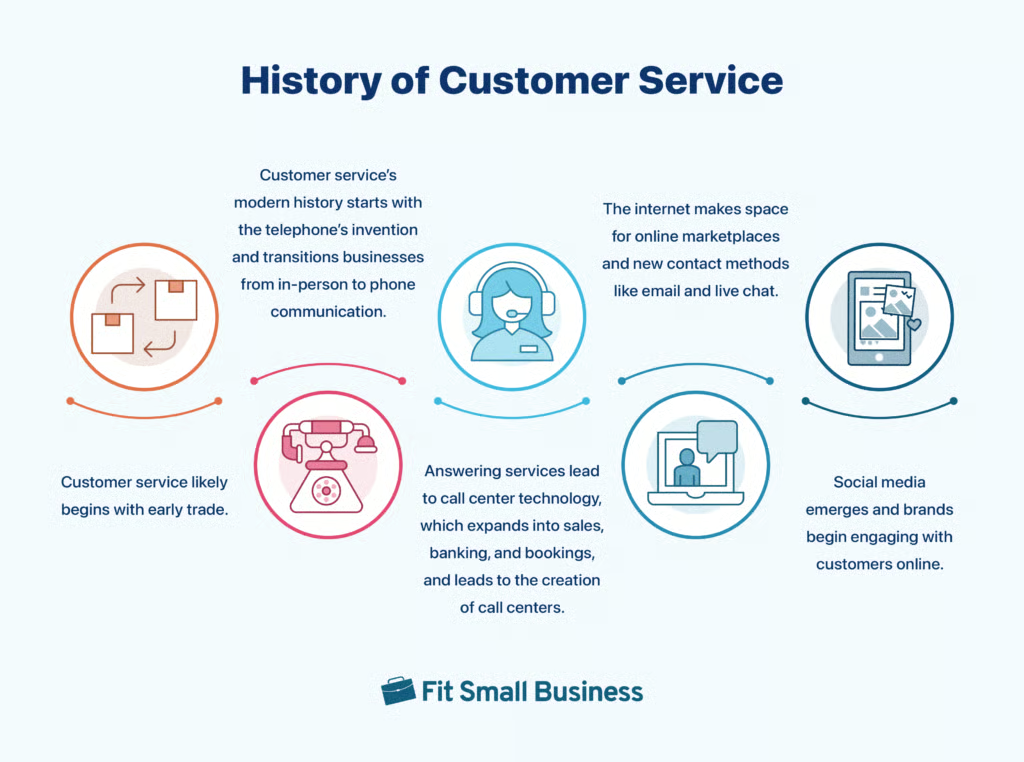
The concept of customer service is believed to have started in the early 3000 B.C. with the rise of trade. But modern customer service began much later, after the Industrial Revolution, notably with the invention of the telephone in 1876. This is when businesses transitioned from in-person to phone conversations.
Answering services in the 1960s led to the development of call center technology in the 1970s, which expanded into telephone sales, banking, and airline bookings. This technology ultimately resulted in the creation of modern call centers in 1983.
With the emergence of the internet, online marketplaces proliferated in the 1990s, which introduced new ways to contact customers via email and live chat. In the mid-2000s, social media platforms took off. Brands started growing their online presence by engaging with customers through social media platforms.
Frequently Asked Questions (FAQs)
How does customer service work?
Customer service in small businesses involves hiring dedicated staff to answer customer inquiries, from product and billing questions to troubleshooting and processing a return. Advanced technologies, such as chatbots and business phone systems, are used to boost efficiency.
What are some examples of good customer service?
Good customer service is going beyond the minimum support expectations. A great example is following up with a customer to see if they are happy with the purchase a day or week after the sales transaction. Another example is finding an alternative solution to address a client’s problem such as referring them to a partner provider or third-party expert instead of saying the company can’t do anything for them.
What are the good qualities of a customer service representative?
Customer service representatives must have strong communication, problem-solving, and negotiation skills. They are courteous, attentive listeners, and are always willing to help customers.
The best reps can handle stressful situations calmly and confidently. Some reps go beyond what is expected of them. For instance, a rep who stays on the call for more than an hour to help an elderly person troubleshoot a phone, even if this means compromising their metrics.
Bottom Line
Customer service is a critical aspect of any business operation, evolving from face-to-face interaction and analog phones to modern phone systems and chat support. Small businesses can provide customer service more innovatively, like by leveraging social media and AI, to reach more current customers and attract new ones.
