







Voice-over-internet-protocol (VoIP) phone systems go beyond traditional landlines, offering affordable calling and powerful collaboration features. Since VoIP relies on your internet connection, you can make crystal-clear calls from anywhere, adjust your phone settings flexibly, and boost productivity. Keep reading to learn exactly how VoIP works and how you can utilize it to improve your business communications.
- Top VoIP phone systems compared
- How VoIP phone systems work
- VoIP phone systems vs landlines
- Types of VoIP phone systems
- Key features of a VoIP phone system
- Setting up a VoIP Phone System
- Benefits of VoIP phone systems
- VoIP case studies: Proven business success stories
- How to choose the right VoIP phone system
- Frequently asked questions (FAQs)
- Bottom line
Top VoIP phone systems compared
| VoIP phone systems | Best for | Monthly starting price (per user) | Key features | Learn more |
|---|---|---|---|---|
 | Best for collaboration | $25 |
| Visit Nextiva or Read our review
|
 | Best for call management | $30 (14-day free trial)
|
| Visit RingCentral or Read our review
|
 | Best for home offices | $9.99 (30-day money-back guarantee)
|
| Visit Ooma or Read our review
|
 | Best for voice and SMS interactions | $18 (7-day free trial) |
| Visit Grasshopper or Read our review
|
 | Best for toll-free numbers | $23 |
| Visit 800.com or Read our Review
|
 | Best for ease of use | $26 |
| Visit GoTo Connect or Read our review
|
 | Best for solopreneurs | $10 (14-day free trial)
|
| Visit Google Voice
|
How VoIP phone systems work
Voice-over-internet-protocol (VoIP) technology converts voice into digital signals, transmitting it through your internet connection rather than traditional phone lines. When you make a call, a VoIP service provider directs your voice data to the intended recipient, either through their phone number or IP address. Check out the diagram below to visualize the VoIP calling process.
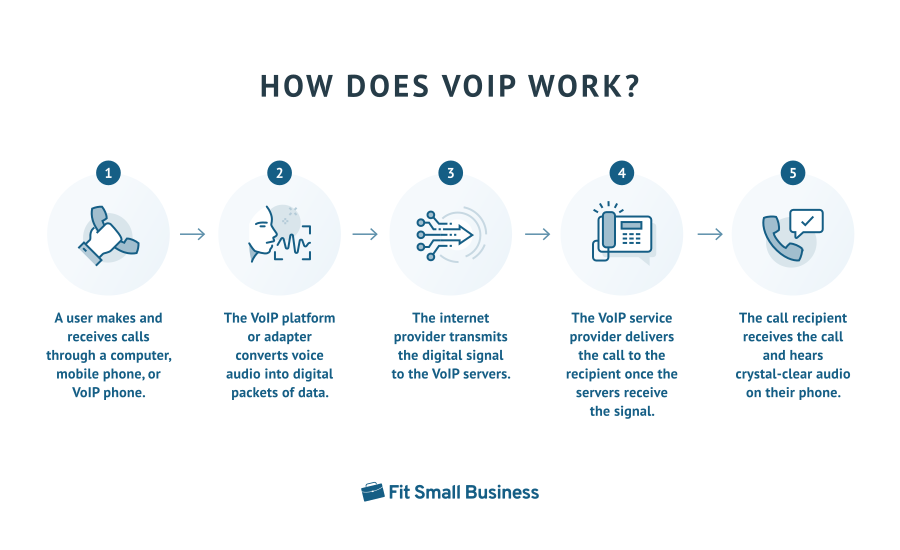
This business phone service can be accessed from virtually any device, including smartphones, desktop computers, IP phones, or even your existing analog phones with a VoIP adapter. To get started, you simply subscribe to a VoIP service provider, which will then supply all calling features directly to your devices.
Most providers include a virtual phone software, known as a softphone app, which you can install on your desktop or mobile devices. Alternatively, you can access their platform through any web browser. Once connected, you can immediately start making calls and customize your softphone settings to fit your business needs.
VoIP phone systems vs landlines
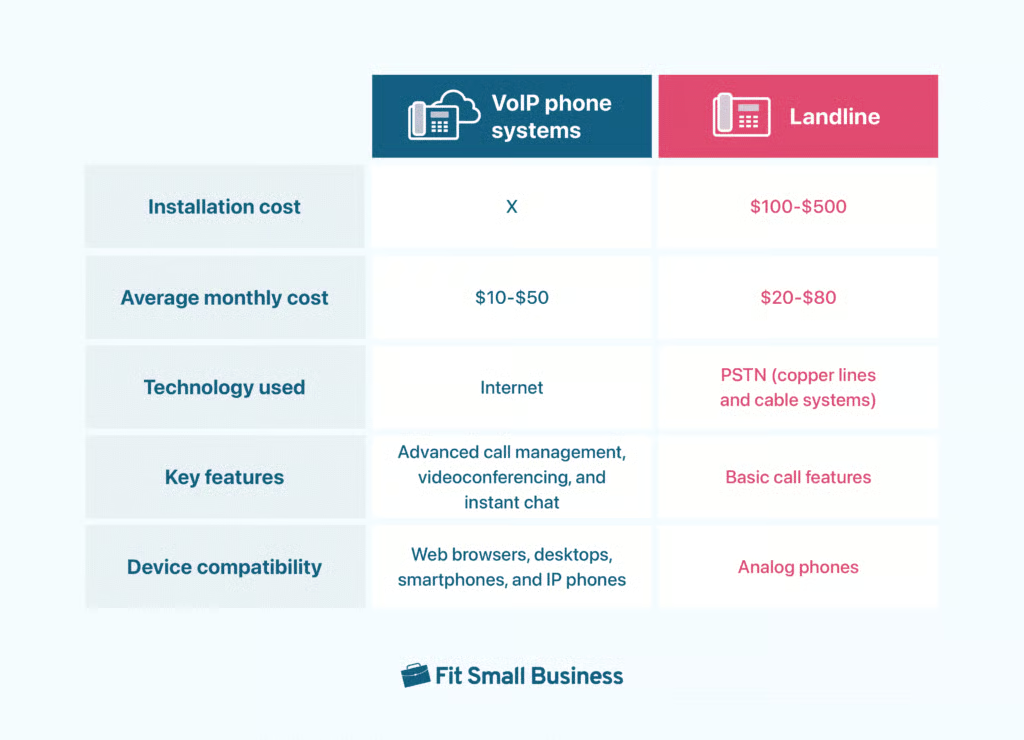
Both VoIP systems and traditional landlines allow you to make voice calls, but there are key differences between the two technologies. The main distinctions come down to cost, infrastructure, flexibility, and available features. Here’s a closer look so you can decide what’s best for your business.
Types of VoIP phone systems
When setting up a VoIP system, you’ll typically choose between cloud-hosted or on-premises solutions. The main difference is whether you prefer managing your phone infrastructure yourself or relying on a provider to handle it. Here’s an overview of each type:
- Cloud-hosted VoIP: This is a popular alternative to traditional landlines as it is scalable, easy to install, and has a cheaper upfront cost. A service provider handles the equipment upgrade and maintenance, so you just need to pay and activate the service to start making calls. This is particularly suitable for those seeking a VoIP phone system for small business use.
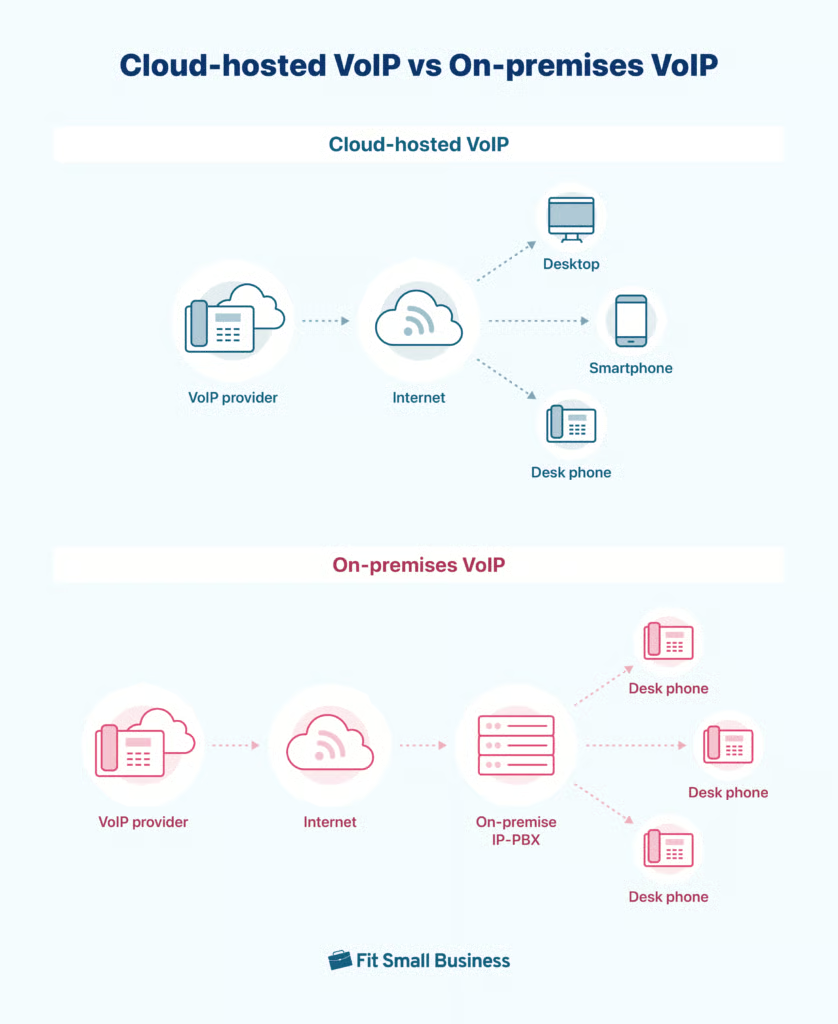
- On-premises VoIP: Like landlines, on-premises VoIP systems involve installing PBX equipment within the business premises. You’ll install PBX equipment onsite and manage everything internally, which gives you enhanced security and customization but requires a higher initial investment. This setup is ideal for businesses that prefer to manage their phone data rather than relying on a cloud-based provider.
Key features of a VoIP phone system
VoIP systems provide numerous features designed to simplify your daily communications and improve customer interactions. Knowing which capabilities matter most can help you choose the right provider and plan for your needs.
Call management
The best VoIP for a small business telephone system includes advanced call management features that improve your caller’s experience and streamline your internal workflows. Here are popular VoIP phone features worth considering when searching for the right service provider:
| VoIP feature | Function |
|---|---|
| Auto-attendant | An automated menu that greets callers and directs them efficiently to the right department or team member. |
| Call forwarding | Redirect incoming calls seamlessly to other devices, numbers, or voicemail. |
| Caller ID | Display customized caller information when making outbound calls to customers. |
| Call queuing | Place incoming callers in a queue and inform them of expected wait times until a representative is available. |
| Call logs | Maintain detailed records of incoming and outgoing calls, including date, time, and duration. |
| Call recording | Easily capture and store phone conversations digitally for training, quality assurance, or compliance purposes. |
| Music on hold | Upload music or pick a prerecorded track to keep callers engaged while waiting on hold. |
| Ring groups | Route calls simultaneously to multiple employees to ensure no call is missed. |
| Visual voicemail | Review voicemail messages visually with options to replay or read automatic transcriptions. |
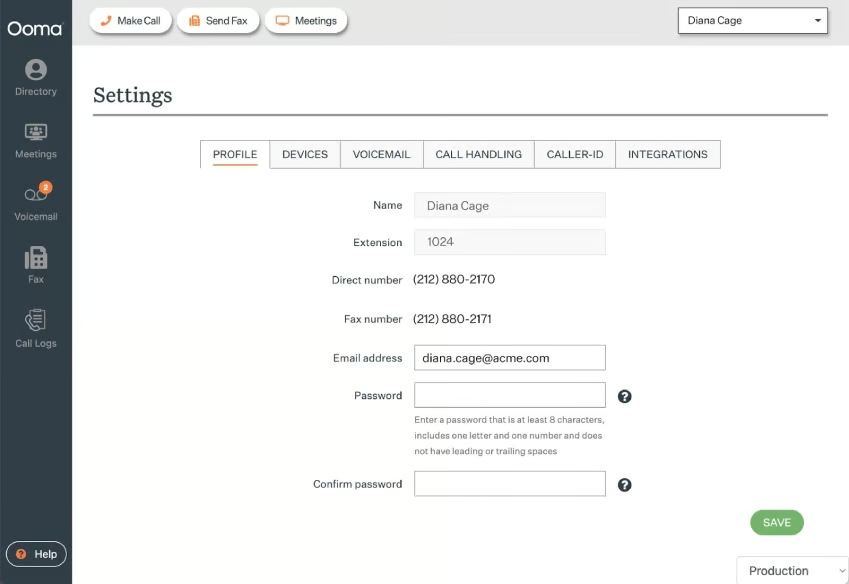
VoIP providers like Ooma offer comprehensive packages with more than 50 standard features, plus a free business phone number upon signing up. You can choose from local or toll-free numbers, depending on your preference and business goals.
Unified communications
Unified communication (UC) combines voice, video conferencing, chat, SMS, and faxing into a single platform. Although typically pricier than basic VoIP services, UC platforms are cost-effective in the long term because they centralize all communications channels under one provider, which is perfect for businesses anticipating future growth. Consider these key UC features:
| UC feature | Function |
|---|---|
| Conference calling | A conference call lets you conduct audio meetings with multiple participants using a single conference line. |
| Video conferencing | Host face-to-face virtual meetings to collaborate effectively, with participant limits varying by provider. |
| Instant messaging | Exchange real-time chat messages individually or in group conversations organized by topic. |
| Business texting | Send and receive SMS messages using your dedicated business phone number, including bulk messaging for marketing. |
| Collaboration tools | Share files, manage calendars, and organize projects within a centralized digital workspace. |
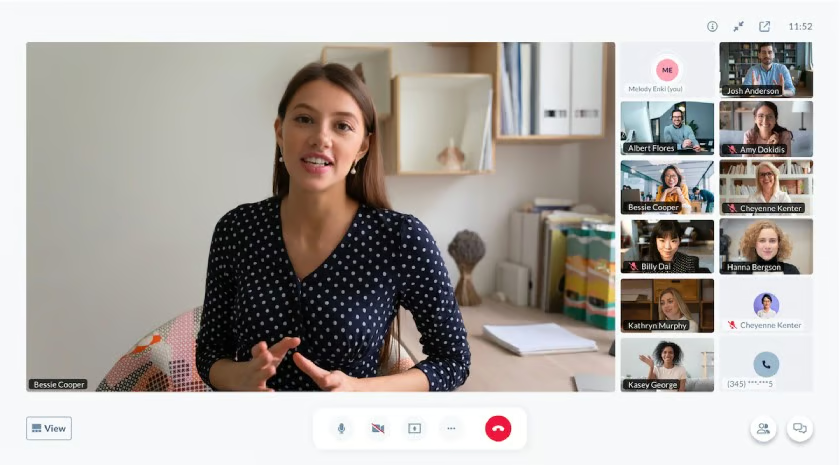
UC providers like Nextiva offer an integrated workspace for voice calling, video meetings, and instant messaging, providing teams with multiple ways to communicate. Its flagship feature, threaded conversations, combines all interactions in a single view regardless of the channel used, so you get a complete view of previous conversations.
Integrations
One advantage of using VoIP phone systems is their ability to integrate smoothly with third-party business software. Integrations streamline workflows, eliminating manual data entry and providing instant access to customer information directly during a call. You’ll spend less time switching apps and more time serving your customers efficiently.
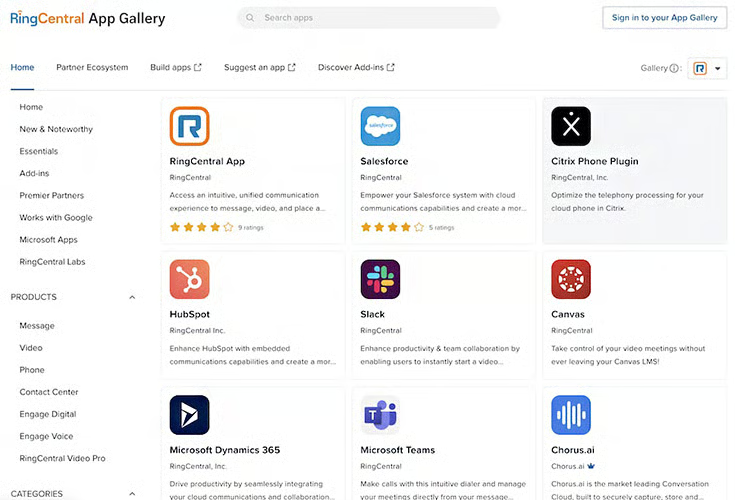
Modern VoIP providers offer integrations with popular customer relationship management (CRM), productivity, and marketing platforms. For example, RingCentral stands out by offering over 400 integrations, enabling your business to connect communications seamlessly with tools you already use.
Setting up a VoIP Phone System
Getting started with a VoIP phone system is straightforward and can significantly enhance your team’s communications. Follow these easy steps to set up VoIP systems for small business operations.
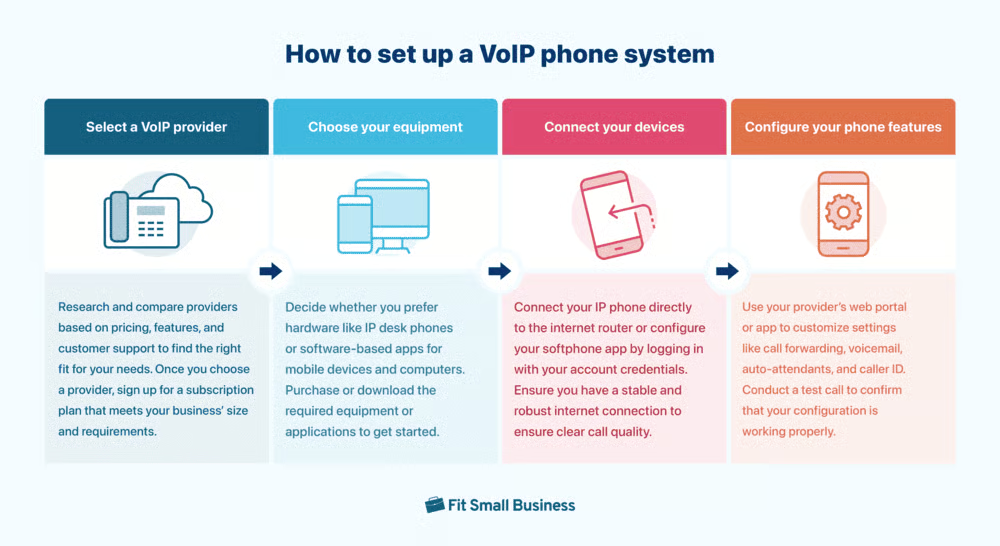
- Select a VoIP provider
Research and compare providers based on pricing, features, and customer support to find the right fit for your needs. Once you choose a provider, sign up for a subscription plan that meets your business’ size and requirements. - Choose your equipment
Decide whether you prefer hardware like IP desk phones or software-based apps for mobile devices and computers. Purchase or download the required equipment or applications to get started. - Connect your devices
Connect your IP phone directly to the internet router or configure your softphone app by logging in with your account credentials. Ensure you have a stable and robust internet connection to ensure clear call quality. - Configure your phone features
Use your provider’s web portal or app to customize settings like call forwarding, voicemail, auto-attendants, and caller ID. Conduct a test call to confirm that your configuration is working properly.
Benefits of VoIP phone systems
VoIP systems go far beyond basic voice calls — they ensure cost savings, operational efficiency, and customer satisfaction. To know more about this ever-evolving cloud technology, we outlined the reasons why you need to invest in the best VoIP phone systems for small business use.
- Lower overhead cost: VoIP providers host and manage everything online, eliminating hardware and maintenance expenses. Plans range from $10 to $75 per user/month, with discounts for annual billing or bulk users. Options like Vonage offer à la carte pricing, while Grasshopper charges a fixed monthly rate for unlimited users.
- Cheaper calls & presence: VoIP slashes global calling costs, often down to a few cents per minute. Providers also offer virtual local numbers abroad for establishing a local presence and making it easier for international clients to reach you.
- Quality customer service: Call routing systems improve call handling and reduce wait times. CRM integrations and real-time analytics help agents understand caller behavior and quickly access customer data, boosting satisfaction and efficiency.
- Established image: VoIP services for freelancers include features like hold music, call routing, and extensions to enhance professionalism. Pairing these with a vanity number and a live answering service further projects a credible and trustworthy image.
- Improved work flexibility: VoIP supports seamless remote work by letting you manage calls, host video meetings, forward voicemails, or send faxes from anywhere. Ring groups and device-specific routing ensure teams never miss a call, even after hours.
- Streamlined workflow: By consolidating communication tools and integrating with business apps, VoIP systems eliminate the need for multiple platforms. AI-powered features like automatic call summaries save time and help teams stay focused on more critical tasks.
VoIP case studies: Proven business success stories
Businesses across industries, from banking to healthcare, successfully leverage VoIP to streamline customer communications and boost team collaboration. Companies like Simmons Bank, Truck Site, and ARSA have notably enhanced productivity and customer experience by transitioning to VoIP phone systems. Here are their success stories using VoIP phone systems.
Banking: Simmons Bank (Nextiva)
Simmons Bank streamlined communications across its numerous locations by transitioning to Nextiva’s VoIP platform, reducing its reliance on legacy systems and enhancing customer service. According to bank officials, VoIP empowered them to unify their communications, resulting in “higher productivity, greater collaboration, and vastly improved customer experiences.”
Trucking: Truck Site (RingCentral)
Truck Site, a global dealer of refurbished commercial vehicles, transformed its customer communications by adopting RingCentral’s UC platform. The integration with Salesforce enabled sales reps to initiate calls and send real-time inventory details with a single click, significantly enhancing responsiveness. The implementation of AI-powered tools like RingCentral AI streamlined call documentation and provided actionable insights, leading to a 200% improvement in operational efficiency.
Healthcare: Advanced Reconstructive Surgery Alliance (GoTo Connect)
ARSA, a network of reconstructive surgery practices across the U.S., modernized its outdated phone system by implementing GoTo’s cloud-based communication platform. This transition facilitated seamless communication for both remote and in-person staff, allowing for flexible call management and real-time analytics. ARSA experienced an increase in patient connection rates from 63% to 89% and improved overall patient and agent experiences.
How to choose the right VoIP phone system
The best VoIP phone systems vary in cost, feature inclusions, and scalability. Here are factors to consider as you explore different provider options for your VoIP system:
- Type of phone system: The type of VoIP system you need depends on whether you prefer on-premise hosting or a third-party provider. On-premise systems offer full control over security and data but require high upfront costs and IT support. Cloud-based systems are more cost-effective and easier to manage.
- Payment model: Choose a model that aligns with your call volume, budget, and business needs. A small business VoIP phone system often uses tiered pricing based on user count. Some, like Grasshopper, offer flat monthly rates for a set number of extensions, while others provide pay-as-you-go or fixed-minute monthly plans.
- Calling features: Assess your call volume and workflow to find a provider with the right functionality. For moderate traffic, prioritize strong call management tools. If supporting a remote team, choose a VoIP service with video meetings and collaboration tools.
- Security: Security needs vary, but all businesses must protect against data breaches and compliance risks. If handling sensitive data, choose a security-driven VoIP provider with multifactor authentication, role-based access, encryption, and compliance certifications.
- Reliability: Choose a VoIP provider with a strong service level agreement (SLA) that guarantees high uptime — 99% is standard, but many offer up to 100%. Confirm their SLA details to ensure consistent, high-quality service.
Frequently asked questions (FAQs)
What is a VoIP phone system?
An office VoIP phone system converts your voice into digital signals transmitted over the internet, enabling clear, cost-effective communication. It offers extensive calling features and flexibility compared to traditional landlines.
What is the best VoIP phone service?
The best VoIP phone service varies depending on your business needs, but providers like Nextiva, RingCentral, and Ooma consistently rank highly. Evaluate based on pricing, features, customer support, and integrations.
Can I just buy a VoIP phone?
Yes, you can buy standalone VoIP phones, but to use them effectively, you’ll need a subscription from a VoIP service provider. The provider handles call routing, management features, and connectivity.
Can I use a VoIP phone without a provider?
You can’t effectively use a VoIP phone without a provider, as the provider is essential for managing calls and providing features. Without a service provider, your phone will lack connectivity and key functionality.
Bottom line
VoIP phones for small business use deliver flexible communication solutions that reduce overhead costs and improve daily workflow. The type of solution you choose directly impacts your budget, customer service, team productivity, and bottom line. One piece of advice is to take advantage of free trials and demos to better assess a business phone provider. This will allow you to explore its functionalities and review the overall user experience.
