







Temu has emerged as one of the fastest-growing ecommerce platforms in the US, attracting sellers with its massive reach, aggressive pricing model, and growing demand for low-cost goods. Launched in the US in late 2022 and backed by Chinese tech giant Pinduoduo, Temu now rivals Amazon and Shein in traffic and app installs. If you’re a manufacturer, wholesaler, or product-based business with flexible pricing and logistics capabilities, it’s time to take this marketplace seriously.
But Temu isn’t a plug-and-play platform. It comes with strict fulfillment standards, limited branding options, and a consumer base laser-focused on affordability. Add to that the recent overhaul of US tariff rules — particularly the crackdown on duty-free shipments from China — and you’ll see that selling on Temu in 2025 requires more than just uploading a few listings.
This guide walks you through the entire process of becoming a Temu seller — from account setup and product research to navigating shipping logistics and meeting compliance standards. Whether you’re sourcing products to flip or launching a new brand, you’ll find actionable steps to build a viable storefront and stay competitive in Temu’s fast-moving marketplace.
Step 1: Create a seller account
To get started on selling on Temu, you need to create a seller account. You can do this in two ways. You can register through Temu’s parent company, Pinduoduo, or send an email to seller@temu.com to receive an invite code.
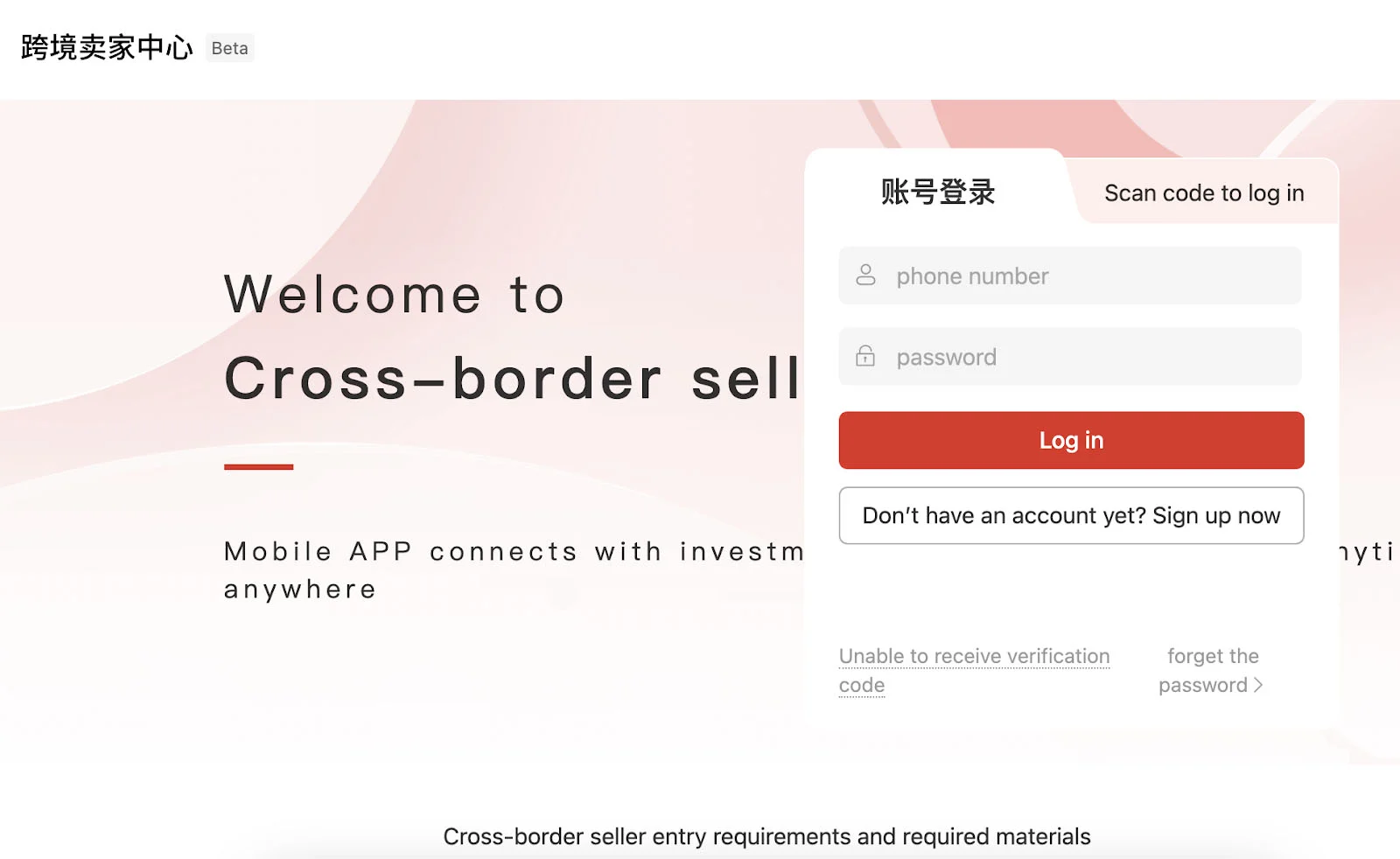
Once you have created an account, log in to the Temu website and confirm your account by entering the verification code sent to your registered email.
Complete the merchant registration process
After confirming your account, complete the merchant registration process. Both would require you to send some requirements to prove seller eligibility.
- Select your business type and the kind of store you will run on Temu (flagship store, department flagship store, exclusive seller, or authorized retailer).
- Submit the necessary business information in their qualification form. The following documents are required: Store Manager’s valid ID, distribution or logistics documentation (proof of warehouse partners), documentation of brand qualification (trademark, authorization letters), legal representative’s ID (passport, driver’s license), and business license. All IDs and documents must have expiry dates at least a year upon application.
Once submitted, expect an email from Temu regarding seller approval in three to seven business days. An SMS will be sent to your registered mobile phone number about your approval.
Set up your seller profile
Once your seller application is approved, you will gain access to your Temu seller dashboard, where you can manage your shop, fulfill orders, track inventory, and handle payouts.
To establish trust and build credibility, set up your seller profile. From your seller dashboard, go to your profile section and complete the following:
- Store name: Choose a unique name and one that is easy to remember. Store names must not contain any name that infringes on others and has the name of a country, region, or an international organization.
- Store description: Here, you can write about the items you sell.
- Profile picture: It is best that you upload your store logo.
- Payment account: Provide the bank account details where you want to receive your payouts.
- Return address: Buyers can return items to this address if needed.
- Tax information: Enter your tax ID number and business tax status.
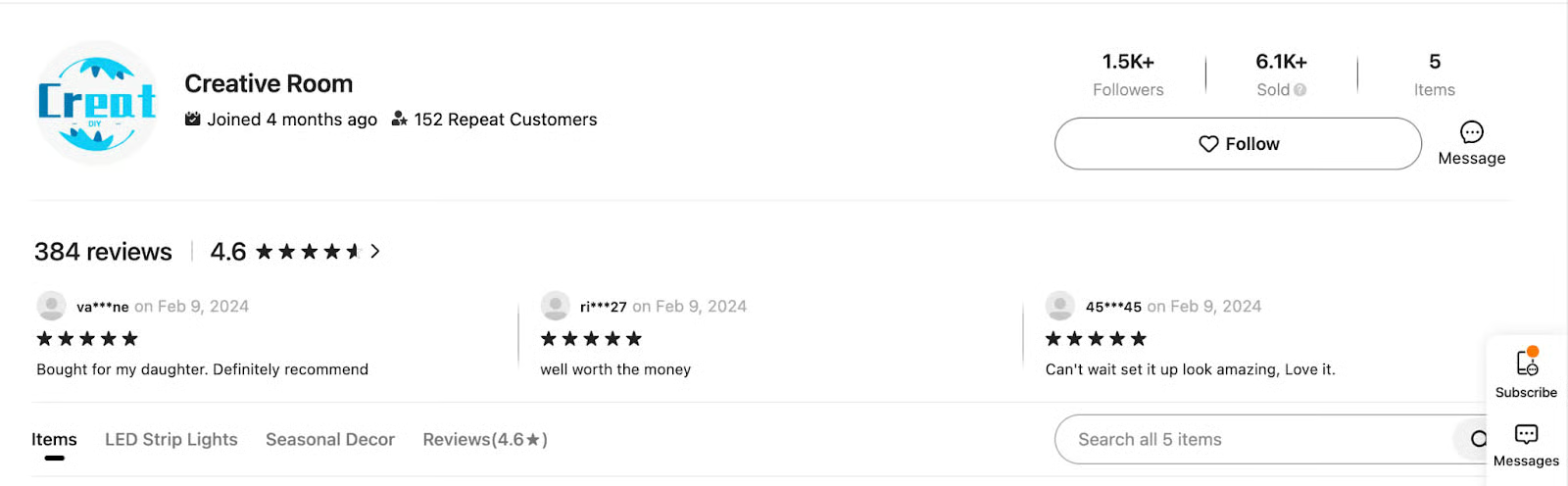
As you can see below, you get to have a single landing page on Temu’s website as a seller. Uploading a logo is the best way to differentiate your business from other sellers. You do not have the ability to upload banners or link to your other websites or social channels.
As a Temu seller, be aware of the following:
- Product samples of your most popular or best-selling items must be shipped to the Temu main office for review. Temu will see if the items meet industry standards and are safe and allowed to be sold within the US.
- Be aware of Temu’s list of prohibited items to sell.
- You are solely responsible for your store setup and operations on the Temu platform
- You are the first point of contact for any queries about orders, shipping, and products.
- You are required to prepare a projected weekly sales volume and have the set number of products ready as orders are placed.
- Products should be packaged according to Temu’s guidelines on packaging. For example, apparel and accessories should use a clear zipper bag as packaging.
Step 2: Conduct product research
Before selling on Temu, you need to identify products with strong demand, minimal competition, and healthy profit potential. This is crucial in a platform known for rock-bottom prices and aggressive competition.
- Explore Temu’s bestseller lists: Study categories like home goods, beauty tools, electronics accessories, and fashion. Look at customer reviews, ratings, and repeat listings to gauge consistent interest.
- Check emerging product trends: Use tools like Google Trends or keyword research tools (e.g., Ubersuggest, Ahrefs) to identify growing interest in specific products.
- Identify value-driven items: Products that are lightweight, unbranded, and functional (e.g., kitchen gadgets, organizers, LED lights) tend to succeed. High-priced or heavy items typically don’t perform well due to shipping costs.
- Evaluate price gaps: Compare Temu listings with prices on Amazon, Etsy, or Walmart. If a product sells for significantly more elsewhere, it may be a good resale candidate — just make sure you can remain profitable after Temu fees.
- Use competitor analysis: Review product pages with lots of reviews. What do customers praise or complain about? Can you improve quality, packaging, or listing content?
Read also: Product Sourcing Guide: How to Source Products in 4 Steps
Step 3: List your products
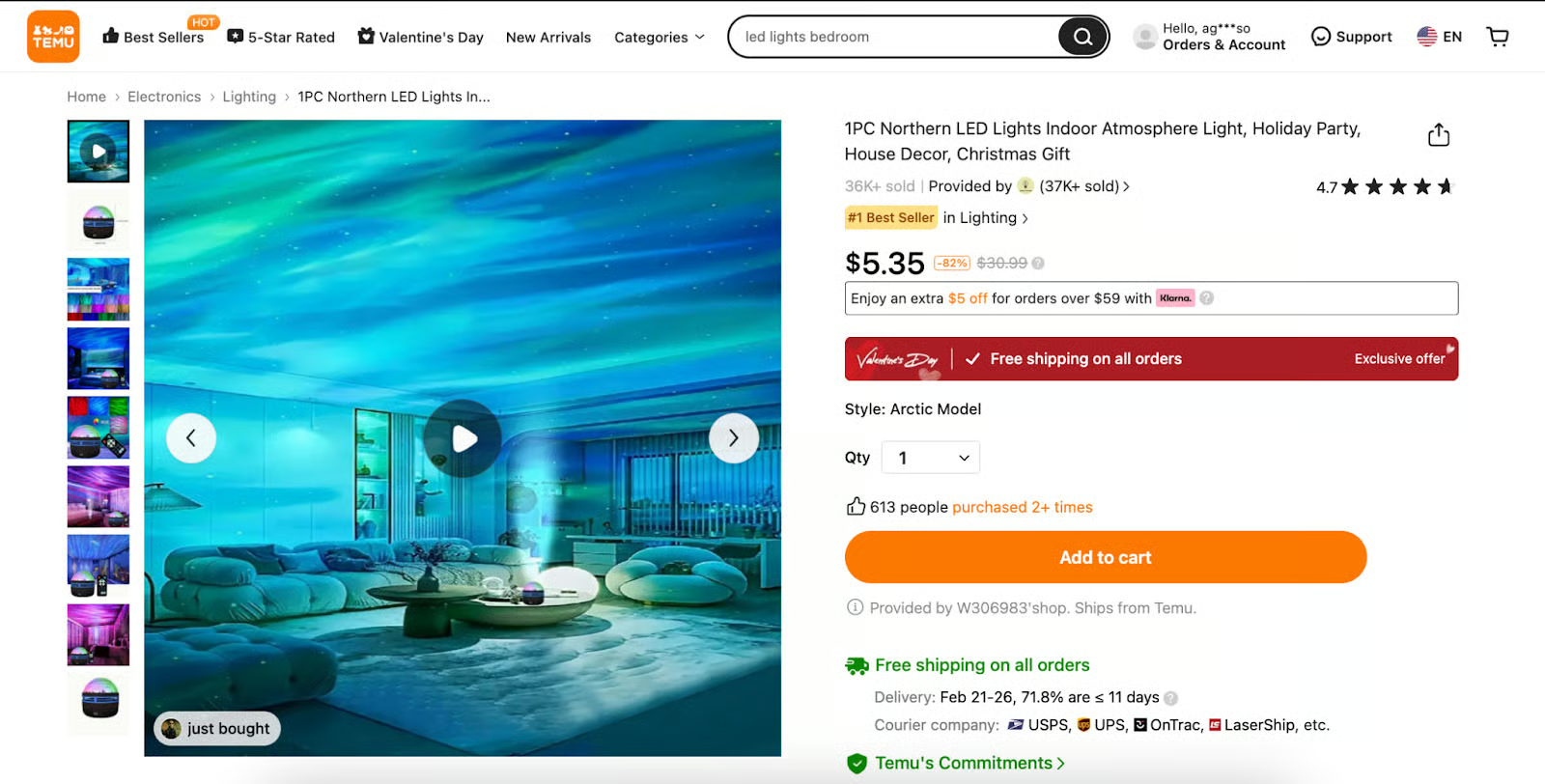
Once you are done setting up your seller profile and conducting product research, start listing products to sell. You can do so by going to the “Add Products” section in your seller dashboard.
Adding products in Temu is straightforward. Have the following product information ready:
- Product title and description: Craft an eye-catching product name and description that highlights your product’s features, specifications, and uses. Use our product description worksheet to help you create a product description that sells.
- Product category: Select the most relevant product category from Temu’s classification system.
- Product images and videos: Use high-quality photos and videos to showcase your product to potential buyers. Learn how to create product photos at home and product videos shoppers love.
- Pricing: Be competitive when pricing your products, as the platform is known for its deep discounts and low, low prices. Decide your retail price based on target profit margins, demand, and competition. Learn about pricing strategies.
- Product quantity (inventory): Set your stock for the product, and Temu will adjust this number automatically as you make sales.
- Product weight and dimensions: Enter the product’s weight and dimensions for shipping calculations.
Develop competitive pricing strategies
Temu’s core appeal to consumers is its extremely low prices. As a seller, you’ll need a pricing strategy that attracts customers while keeping your margins viable.
- Start with price benchmarking: Search for similar products on Temu and take note of their price range. Identify what sellers are offering in terms of features, bundles, and shipping perks.
- Price to enter, then adjust: Consider launching new listings at a lower introductory price to attract early buyers and reviews. Once you have traction, you can adjust prices slightly for better margins.
- Account for seller and payment fees: Temu charges 2% to 5% per sale. If using PayPal, add another 2.9% + $0.30 per transaction. Factor these into your cost calculations.
- Offer bundle or volume pricing: Combine related products (e.g., phone stand + charging cable) or offer multi-pack discounts to increase order value.
- Use dynamic pricing tools: If you’re managing a large catalog or using third-party software, consider automating price changes based on competitor movements, inventory levels, or time-sensitive promotions.
- Monitor competitors so you can stay one step ahead. Our top picks for the best wholesale suppliers are good gauges on price points.
Related: How to Price a Product (+ Profit Calculators)
Step 4: Fulfill orders
Once you set up your product listings, you can start receiving orders. Temu requires sellers to fulfill orders quickly, professionally, and in line with strict packaging and delivery expectations. Fulfillment plays a major role in your seller ranking.
- Ship orders fast: Temu expects sellers to dispatch items within one to two business days. Delays can hurt your performance score and search ranking.
- Use Temu’s shipping tools: Generate shipping labels directly from your seller dashboard. You’ll be able to ship via USPS, FedEx, UPS, and other major carriers.
- Stick to packaging rules: Use discreet, secure packaging with added padding to protect fragile items. Clear zipper bags are required for clothing and accessories.
- Include proper documentation: Enclose a packing slip or invoice, and any instructions for returns. You may not include external links, marketing flyers, or social handles.
- Update tracking info: Once an order is shipped, immediately input the tracking number in your dashboard. This step is required to mark the order as fulfilled.
Step 5: Promote your Temu shop
Once you get the hang of fulfilling orders, the next step is to actively promote your store.
- Run promotions and offer discounts to attract new buyers. Clear older inventory by offering sitewide sales.
- Use Temu’s advertising and marketing tools to increase your store’s visibility and promote your best-selling items.
Best practices to become a successful Temu seller
With the right setup, pricing, and customer support, Temu can be a high-volume sales channel. These best practices will help you succeed long-term:
- Keep seller metrics high: Fast order fulfillment, low cancellation rates, and prompt responses to messages all help you maintain a good seller rating and search visibility. To get a stellar seller ranking, do the following:
- Clearly define your shipping and return policies. Transparency sets customer expectations. This, in turn, leads to fewer complaints, returns, and disputes.
- Provide great customer service. Temu allows you to directly communicate with buyers. Promptly address any product-related questions or concerns. This helps build trust and credibility, which can then lead to high product reviews.
- Stay stocked: Temu may ask for weekly sales projections. You’ll need inventory on hand to meet these expectations without delays.
- Respond to customers quickly: Temu allows direct communication between buyers and sellers. Fast, professional replies help earn trust and repeat sales.
- Use SEO in your listings: Optimize your product titles and descriptions with relevant keywords. This boosts discoverability within Temu’s search engine.
- Study your analytics: Use your seller dashboard to monitor clicks, conversions, and top-performing SKUs. Double down on what’s working, and consider sunsetting underperformers.
- Monitor Temu policy updates: As the platform evolves, stay updated on fulfillment requirements, packaging changes, and seller incentives.
How to receive payouts from your Temu store
Withdrawing sales payments from your Temu store is done manually. Initiate the withdrawal process by navigating to the Account Funds in your Temu Seller Center tool.
- Ensure you have a linked bank account in your Temu account
- Go to Account Funds from your seller dashboard
- Select Funds Center
- Enter your withdrawal amount
- Click Withdraw to confirm
- Your payment will then be deposited into the selected account
You can also use PayPal to withdraw your Temu payouts. On top of PayPal fees, expect to have Temu charge 2% to 5% on seller fees for every sale.
Frequently asked questions (FAQs)
Expand the sections below to get answers to the most frequently asked questions about how to become a seller on Temu.
Can I be a seller on Temu?
Yes, you can be a Temu seller if your application is approved. To apply to become a seller on Temu, you need to submit documents to prove your business registration and identity. Your products should also not be included in their list of prohibited items to sell.
How do I set up a Temu Shop?
To set up a Temu shop, you need to apply to become a seller first. Once approved, you can create product listings, set fulfillment methods, and start selling.
How do I open a Temu seller account?
There are two ways to open a seller account on Temu but both would require approval. You can register for a seller account in Temu’s parent company, Pinduoduo, for cross-border selling or send an email to seller@temu.com and ask for a seller code to create an account and apply as a seller.
What are the fees associated with selling on Temu?
Selling on Temu is free, but Temu charges 2% to 5% on seller fees for every sale.
Does Temu sell in the United States?
Yes, Temu is available in the United States. It went live for US consumers in September 2022.
Bottom line
Temu has quickly become one of the most talked-about marketplaces, rivaling Amazon and Shein in popularity. With recent changes in fulfillment strategy and a growing US seller base, now is a great time to get established on Temu — especially if you can offer competitive pricing, fast shipping, and great customer service.
