







Starting a YouTube channel for profit involves setting up your channel correctly, planning valuable content, and meeting YouTube’s monetization requirements. This guide walks you through each step so you can launch, grow, and monetize a channel that operates like a business, not just a hobby.
Before diving into the steps for how to start a YouTube channel for beginners, it helps to see why YouTube remains one of the best platforms for turning content into income.
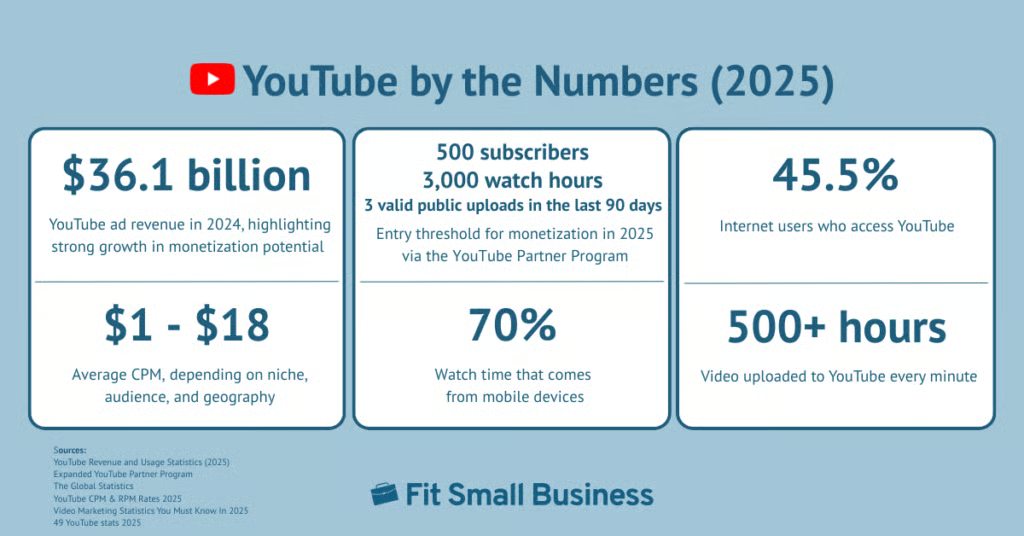
These numbers highlight the scale of YouTube as a business platform in 2025. The rest of this guide walks you through the exact steps to build, grow, and monetize your own channel.
- Step 1: Define your niche and business model
- Step 2: Set up your channel professionally
- Step 3: Plan and create content that attracts subscribers
- Step 4: Meet YouTube monetization criteria and optimize for discovery
- Step 5: Build an audience and encourage engagement
- Step 6: Diversify and maximize income streams
- Step 7: Manage and scale your channel like a business
- Step 8: Address legal and compliance considerations
- Common mistakes to avoid
- Bottom line
Step 1: Define your niche and business model
Profitable YouTube channels begin with a clear niche and a defined audience. By choosing a focus that combines your expertise, viewer demand, and monetization potential, you set the foundation for consistent growth and revenue.
| Niche | Why it works | Monetization paths |
|---|---|---|
| Tutorials & how-to (DIY, business software, cooking) | Evergreen demand; people always want to learn | Ads, affiliate marketing, digital courses |
| Product reviews & unboxing | Helps consumers decide before purchase | Sponsorships, affiliate commissions, ads |
| Health & wellness | Ongoing engagement, strong communities | Coaching, memberships, ebooks, ad revenue |
| Tech & gadgets | High cost per mille (CPM) rates; large search traffic | Sponsorships, affiliate deals, ads |
| Short-form entertainment | Viral potential and fast growth | Shorts monetization, brand deals, merch |
How monetization options work:
- Ads: Revenue earned from YouTube Partner Program once eligibility thresholds are met.
- Affiliate marketing: Earn a commission by linking to products in video descriptions or pinned comments.
- Digital courses/ebooks: Sell your own instructional content or resources to viewers.
- Sponsorships/brand deals: Work directly with brands to feature products in exchange for payment.
- Memberships: Offer exclusive perks, content, or community access to paying subscribers.
- Merchandise: Sell branded items or physical products directly through YouTube integrations.
- Shorts monetization: Earn from ad revenue share and promotions tied to YouTube Shorts.
Use our Niche & Monetization Worksheet here to clarify your target audience, content style, and revenue streams before creating your first video.
Step 2: Set up your channel professionally
A professional channel setup signals credibility to both viewers and potential sponsors. From your channel name to your branding elements, every detail should align with your niche and business goals.
The YouTube Branding Checklist helps you cover essentials like:
- Channel name and description with relevant keywords
- Profile picture/logo and channel banner
- Playlists for organizing videos
- Contact info and links to your website or social profiles
Optimizing these details from the beginning creates a trustworthy presence that encourages subscribers and brand partnerships.
Step 3: Plan and create content that attracts subscribers
Viewers subscribe when your content is consistent, valuable, and easy to follow. Use these best practices to plan content that grows your audience:
- Balance content types: Mix evergreen tutorials that build long-term views with trend-based videos for bursts of attention and Shorts for quick reach.
- Plan your first uploads: Aim for 10 to 15 starter videos that cover core topics in your niche and answer common viewer questions.
- Stay consistent: Choose a realistic upload schedule and stick to it, whether weekly or biweekly, so viewers know when to expect new content.
- Focus on discoverability: Use clear titles, searchable keywords, and engaging thumbnails to attract clicks.
- Prioritize long-form content: Shorts drive growth, but long-form videos typically earn more ad revenue. Long-form content earnings range from $1 to $25 per 1,000 views, while Shorts generally earn around $0.01 to $0.30.
- Adapt for 2025 rules: As of July 2025, YouTube channel monetization policies were slightly updated to clarify that “inauthentic content” includes repetitive or mass-producted content. To stay eligible, ensure your video tools are used to enhance originality rather than replace it.
Planning with these steps ensures your channel starts strong, builds authority in your niche, and attracts subscribers who stick around.
Step 4: Meet YouTube monetization criteria and optimize for discovery
YouTube monetization begins only after you meet the platform’s thresholds for subscribers and watch time. Once eligible, optimization through SEO and metadata increases the chances that your videos will be discovered by a wider audience.
Requirements for YouTube monetization
| Tier | Subscribers | Watch time (long-form, 12 months) | Shorts views (90 days) | Other requirements |
|---|---|---|---|---|
| Fan-funding access | 500+ | 3,000+ hours | 3 million | 3 valid public posts in the last 90 days, AdSense account, good standing, 2-step verification |
| Full ad revenue access | 1,000+ | 4,000+ hours | 10 million | Compliance with content policies, no active strikes, original content |
After meeting these thresholds, link your channel to Google AdSense to get paid. Beyond ads, you can start building income earlier through sponsorships, affiliate links, or selling products.
To boost discovery, use keyword research tools like TubeBuddy or vidIQ to guide you in writing titles and descriptions, design standout thumbnails, and group videos into playlists. Strong metadata signals relevance to YouTube’s algorithm, helping you reach more viewers.
Step 5: Build an audience and encourage engagement
Growing subscribers isn’t just about uploading videos – it’s about creating reasons for viewers to return and interact. Here are practical ways to build engagement:
- Use clear calls to action: Ask viewers to like, comment, and subscribe, but be specific. For example, pose a question they can answer in the comments.
- Leverage YouTube features: Post polls and updates in the Community tab, organize videos into playlists, and add end screens that link to related content. These tools keep viewers watching longer.
- Interact with your audience: Reply to comments, pin a helpful response, and heart comments to show appreciation. Early interaction signals to YouTube that your video is active.
- Collaborate with other creators: Guest appearances or co-produced videos introduce your channel to new audiences while boosting credibility. See our influencer marketing statistics to understand how brands are investing in creators.
- Promote beyond YouTube: Share clips or teasers on social media, embed videos on your website, and use email newsletters to drive subscribers back to your channel.
Engagement signals, such as comments, likes, shares, and watch time for a query, are key factors in how YouTube promotes your content. The more you nurture your audience, the more visibility and monetization opportunities your channel gains.
Step 6: Diversify and maximize income streams
Relying only on ad revenue leaves your channel vulnerable to algorithm changes, fluctuating CPM rates, and seasonal dips in advertiser spending. Successful creators treat YouTube as a business by layering multiple revenue streams that complement ad income.
Sponsorships, affiliate marketing, merchandise, and channel memberships can provide steady earnings and give you more control over your revenue. The table below shows the most common monetization methods and what each offers.
| Monetization method | Requirements | Key benefits |
|---|---|---|
| Ad revenue (YouTube Partner Program, or YPP) | Meet thresholds above | Passive, recurring income once scale is reached |
| Shorts monetization | Meet Shorts criteria | Strong reach, good for brand growth |
| Sponsorships | Defined audience; media kit | Higher CPM rates than ads, negotiated directly |
| Affiliate marketing | Niche products; trust with viewers | Scalable, flexible, works even before YPP |
| Merch & product sales | Active audience, e-commerce setup | High margins, strengthens brand identity |
| Channel memberships & Super Chats | Loyal subscriber base | Recurring income and direct audience support |
While ad revenue fluctuates, sponsorships, affiliate links, and product sales can often generate more predictable income. For creators showcasing products, check out our guide to making product videos to attract both viewers and sponsors.
Step 7: Manage and scale your channel like a business
Once you start earning revenue, treat your channel like a business to keep growth sustainable. Here are key areas to focus on:
- Track income and expenses: Use accounting software like FreshBooks to monitor ad revenue, sponsorship payments, and costs for equipment or tools. This keeps your finances organized and tax-ready. For more tools, see our guide to the best business expense tracker apps.
- Set measurable goals: Define growth targets, such as reaching 1,000 subscribers in six months or generating $500 per month in ad and affiliate income. Clear benchmarks keep you accountable. Our breakdown of how to set SMART goals can help.
- Invest in efficiency: Reinvest profits into better equipment, editing tools, or scheduling software that saves time and improves quality. If financing is a challenge, check out options in our small business loan guide.
- Outsource repetitive tasks: Hire freelancers to handle editing, thumbnails, or captions so you can focus on strategy and filming.
- Keep learning: Courses from platforms like Coursera can sharpen skills in SEO, content and YouTube marketing, and video production, helping you scale faster.
Running your channel like a business ensures you stay profitable and prepared to grow beyond hobby-level income. Boost your skills further with affordable online courses on SEO, video production, and content marketing from Coursera.
Step 8: Address legal and compliance considerations
As your channel grows into a business, legal and compliance issues become more important. In 2024, YouTube’s Content ID system prevented over 7 million videos from being re-uploaded because of prior copyright removals, underscoring how strict enforcement already is. Start by choosing the right legal structure and keep track of updates to rules and policies.
- Follow copyright rules: Use licensed music, stock footage, and images, or create your own. Misusing copyrighted material can lead to strikes and lost monetization. See YouTube’s primer on copyright policies.
- Understand fair use: Short clips for commentary or education may qualify, but always add clear analysis or transformation. Avoid reusing content without significant originality. Learn more about fair use on YouTube.
- Comply with YouTube policies: July 2025 updates emphasize authentic, original content. Check that our videos are up-to-date with YouTube’s latest changes.
- Register your business: If YouTube becomes a major income stream, consider forming an limited liability company (LLC) or sole proprietorship, getting an Employer Identification Number (EIN), and tracking taxes properly. Read our guide on how to register a business.
- Protect your brand: Secure your channel name, trademarks, and domain names to avoid conflicts and strengthen your business identity.
Covering these basics ensures you stay monetized, avoid penalties, and build a channel that’s legally and financially sustainable. Manage cash flow for equipment, software, or outsourcing with flexible funding options from Bluevine Financing.
Common mistakes to avoid
Many new creators slow their growth by repeating avoidable errors. Watch out for these pitfalls:
- Overinvesting in gear: Expensive cameras and mics won’t guarantee success. Focus first on content quality and consistency.
- Posting inconsistently: Irregular uploads make it harder for YouTube to recommend your channel and discourage subscribers. Stick to a realistic schedule.
- Ignoring analytics: Data on watch time, retention, and traffic sources shows exactly what’s working. Skipping these insights means repeating mistakes.
- Relying only on ad revenue: Ads fluctuate. Add sponsorships, affiliate links, or merch to build stable income streams.
- Neglecting audience interaction: Failing to reply to comments or encourage engagement weakens community loyalty and hurts algorithm performance.
Avoiding these mistakes early helps you grow faster, build trust with your audience, and create a stronger business foundation.
Bottom line
Starting a YouTube channel for beginners with profit in mind requires more than simply uploading videos. Success comes from choosing a focused niche, branding your channel professionally, creating consistent and valuable content, and meeting YouTube’s monetization criteria. From there, diversify income streams, engage with your audience, and treat your channel like a business with clear goals and financial management.
With persistence and the right strategies, YouTube can become a significant revenue source in 2025. Use the worksheets and templates in this guide to shorten the learning curve and set your channel up for long-term profitability.
