






Voice analytics is transforming customer interactions by analyzing conversations to enhance agent performance and improve the overall customer experience. Using AI tools, such as speech recognition and natural language processing, allows businesses to extract insights from customer sentiment and behavior from call center data. This approach not only measures the effectiveness of service delivery but also ensures compliance with industry standards and best practices.
When leveraged effectively, contact center speech analytics empower businesses to make informed decisions that boost operations. In this article, I’ll explore how voice analytics works, its key benefits, real-world applications, and cover some essential trends for small businesses to track.
- Voice analytics vs. speech analytics: Understanding the distinction
- From phone call to insight: How voice analytics works
- Key benefits: Why voice analytics matters for call centers
- Practical ways to use voice analytics today
- What’s next: Future trends in voice analytics
- How to get started: A 5-step roadmap
- Frequently asked questions (FAQs)
- Bottom line
Voice analytics vs. speech analytics: Understanding the distinction
Within the realm of call center analytics, there are many ways to evaluate agent performance and customer interactions, which can make it difficult to differentiate between analyzing voice and speech. However, the main difference between voice analytics and speech analytics is that voice analytics concentrates on emotion and tone, while speech analytics examines specific words.
When comparing the two, many businesses leverage voice analytics to gain insights into customer sentiment and evaluate agent performance. In contrast, speech analytics excels at analyzing agent scripts and integrating valuable suggestions derived from customer feedback. However, most organizations use them together to gain a more holistic understanding of interactions. To learn more, use the table below to understand the best use cases for each technology.
| Feature | Voice analytics | Speech analytics |
|---|---|---|
| Focus | How customers speak: tone, pitch, pace, pauses, and stress levels | What customers say: words, phrases, and recurring topics |
| Core technology | Acoustic analysis, emotion detection, sentiment scoring | Automatic Speech Recognition (ASR), keyword spotting, natural language processing (NLP) |
| Best for | Real-time coaching, emotional intelligence, detecting stress or satisfaction | Quality assurance, compliance, call driver analysis, and product feedback |
From phone call to insight: How voice analytics works
Within call centers, voice analytics are often part of a streamlined process to collect and analyze customer calls. Therefore, the following list breaks down the technological process behind voice analytics. Click the tabs below to learn more about each step of the process.
Step 1: Capturing the conversation
Voice call analytics begins with capturing audio from calls and transforming it into text through automatic speech recognition (ASR) technology. In many call centers, every conversation can be recorded and archived, creating a library of interactions for you to assess. This process not only unravels the nuances of conversations but also lets you extract valuable insights from customer-agent interactions.
Step 2: Understanding meaning and emotion
In addition to ASR, voice analytics software depends on natural language processing (NLP). This technology helps identify customer intent, keywords, and sentiment, providing a deeper understanding of the caller’s emotional state. By analyzing these elements, you can determine whether a customer is satisfied, confused, or frustrated, allowing for more effective interactions and improved service outcomes.
Step 3: Turning data into action
Once customer sentiment and intent are identified, there are two primary ways voice analysis is utilized: in real-time or post-call. Specifically, real-time analysis helps guide agents during calls by providing immediate feedback on how to respond based on customer sentiment. In contrast, post-call analytics are used for supervisor coaching, quality assurance, and reporting by evaluating agents’ adherence to call scripts and legal standards. But ideally, you can use both to manage interactions and support agents.
Key benefits: Why voice analytics matters for call centers
In the past few years, voice analytics has become a central feature of call center phone systems. In 2024, full-suite voice analytics solutions made up 66.5% of the market, totaling over USD 1.1 billion in spending, according to Mordor Intelligence reports. This growth highlights how businesses of all sizes are utilizing voice analytics to improve customer experience, agent performance, and compliance monitoring.
Some additional benefits of call center voice analytics are as follows:
- Delight customers: The main benefit of voice analytics is improved customer satisfaction. Specifically, these tools can help enhance key performance indicators, such as first-call resolution (FCR), by monitoring customer sentiment and making suggestions to improve the interaction during and after the call.
- Coach your team smarter: For supervisors and team leads, voice analytics enables you to identify signs of stress, burnout, or training needs, allowing you to step in and provide the necessary coaching and feedback to enhance agent performance.
- Stay compliant: Automatically flag risky conversations with compliance and risk management that decreases the likelihood of legal implications for not adhering to regulatory standards.
- Reduce evaluation time: It can be difficult to assess every call manually, but voice analytics make it easier to automate quality assurance and reduce the time spent on manual reviews.
Practical ways to use voice analytics today
By adopting voice technology, businesses are discovering innovative ways to empower their agents and elevate the customer experience. Below are some additional examples of how voice analytics is transforming customer service.
- Catch customer dissatisfaction early: One of the main advantages of sentiment analysis is the ability to monitor customer responses in real-time. This allows you to escalate calls to a supervisor or a specific team when frustration is detected, addressing issues before they derail a call.
- Help agents in the moment: Call center features, such as agent assistance, often utilize voice analytics to provide human agents with real-time prompts that suggest the next best action when interacting with customers. This feature provides additional support to new agents and offers guidance to more experienced agents during challenging calls.
- Match callers with the right agent: Customer satisfaction often depends on whether the agent can effectively handle the request. Therefore, using skills-based or predictive call routing helps ensure customers are connected with the right agents for their background and concern.
- Spot sales opportunities: Voice analytics is not only used to assess customer satisfaction, but it can also identify caller intent. This makes it easier for agents to detect buying signals during conversations, with some analytics software using that information to advise representatives on when to upsell or route a call to your sales team.
- Audit compliance automatically: Adherence to regulatory standards, such as recording disclosure and consent, is also an important aspect of customer interactions. Voice analytics can help mitigate risk by auditing calls for quality and confirming that required disclosures are made.
What’s next: Future trends in voice analytics
While most companies utilize voice analytics for coaching and quality assurance, the rise of AI in call centers, along with growing concerns about data privacy and security, has led to notable shifts in how organizations employ these tools. Therefore, the following list includes some of the future trends in voice analytics and how you can use them.
AI voice agents that do the talking
One of the most significant trends in voice analytics is the rise of AI-powered voice agents that can engage in conversations almost indistinguishable from human interaction. These advanced agents handle routine customer calls by responding to direct inquiries or FAQs. They also have autonomous call-handling features that enable them to route calls to the appropriate department or human agent when needed.
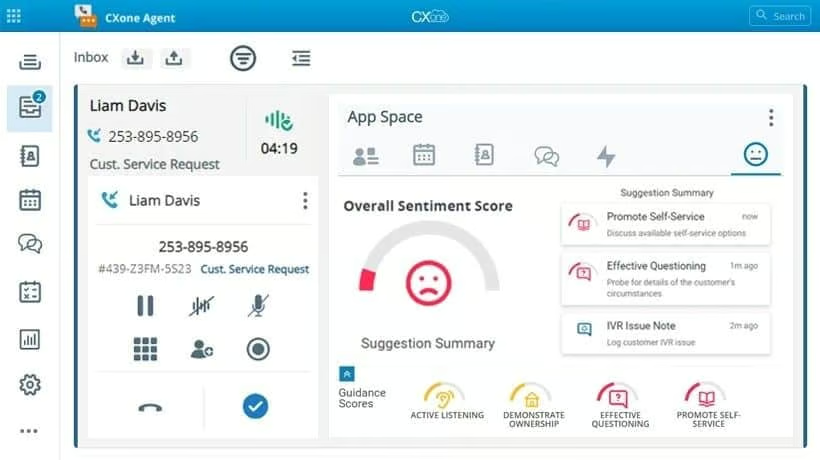
This not only streamlines customer service but also enhances efficiency and user satisfaction by reducing wait times and ensuring callers reach the right resources. Overall, this trend highlights the growing potential of AI to manage complex interactions while maintaining a human-like quality of communication.
Voice biometrics for instant security
Another trend that significantly enhances the effectiveness of voice analytics is the emergence of real-time voice biometric and authentication features. Instead of relying on agents to sift through customer notes to verify each caller’s identity or having customers spend additional time verifying themselves, this innovative technology can quickly authenticate callers within seconds by analyzing their unique voiceprint.
This approach not only streamlines the identification process but also integrates advanced voice analytics with authentication measures to ensure secure access and verify users with increased speed and accuracy.
Guardrails for bias & fairness
As business owners continue to adopt call center voice analytics, it’s essential to combine this advanced technology with strong ethical guidelines. With increased focus on the potential biases built into these systems, especially in how they recognize different accents and dialects, the conversation about responsible use is more important than ever.
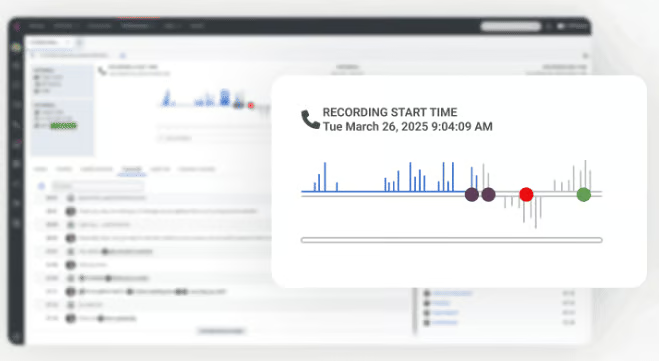
Looking forward, organizations must commit to regular bias audits. These assessments should go beyond mere accuracy checks, diving deep into how well the technology serves a diverse range of accents and speech patterns. By ensuring that their systems accurately reflect the diverse nature of their customer base, businesses can offer a fairer and more inclusive customer service experience. This commitment not only enhances customer satisfaction but also builds trust, making it a win-win for everyone involved.
Privacy and data rules you can’t ignore
The final trend I am seeing more often is the widespread safety concerns that arise from integrating more autonomous tools and technologies in call and contact centers. While many businesses see value in using these technologies, those in regulated industries, such as healthcare and finance, often worry about compliance with GDPR
To mitigate these concerns, it’s important to stay informed about recording regulations and voice data permissions when utilizing voice analytics. For example, some states have specific laws regarding call recording; therefore, call centers operating across state lines should follow the strictest regulations to ensure their processes remain compliant with legal standards.
How to get started: A 5-step roadmap
Now that you have a clear understanding of the role of voice analytics in call centers, the next step is to understand how to implement this technology within your organization. Therefore, I have developed a five-step roadmap that you can follow to integrate these analytics. Click on the tabs below to learn more:
Before implementing any tool, the first step is to determine the reasons behind your goals. Some businesses use voice analytics to enhance coaching and provide feedback to agents, while others employ it as a means of quality monitoring to ensure compliance in regulated industries.
Overall, it’s essential to understand how voice analytics can enhance the customer experience within your organization and effectively leverage the data collected during calls.
Once you have an idea of your why, determine how you will integrate voice analytics into your platform. While many contact center providers include voice analytics in their subscriptions, other technologies must work together for the most effective use of these analytics. Therefore, ensure that the platform you are using integrates with your current tech stack, including CRMs and your contact center subscription.
The most exciting phase in the implementation journey is developing the pilot program within your organization. While it’s easy to jump into launching new technology, it’s essential to start gradually. Begin by integrating analytics with one team or by analyzing a specific process. After you have evaluated the results of the pilot, you can apply the insights gained to implement voice analytics across other teams.
After you have explored the features of voice analytics and identified how they can benefit your team, you can start developing guidelines on how to utilize this technology to support your agents. This involves training both agents and supervisors on how to use voice analytics for coaching and providing feedback, as well as for supporting agents and preventing burnout.
Finally, it is important to remember that implementation is always an iterative process, and it doesn’t just end with rolling out a new tool. Once you have started using voice analytics in your organization, you should continuously monitor key performance indicators and call center metrics, such as average handle time (AHT), customer satisfaction scores (CSAT), and sentiment accuracy.
Frequently asked questions (FAQs)
What industries beyond call centers use voice analytics?
Voice analytics is beneficial to multiple industries, including healthcare, banking, insurance, and ecommerce, as well as to any business where conversations with customers significantly impact outcomes.
How accurate is sentiment analysis in voice analytics?
Sentiment analysis generally achieves an accuracy rate between 70% and 85%. This accuracy can increase as the system is trained on data that is specific to your business’s unique context and needs. Therefore, it’s a good idea to have regular audits of the effectiveness of your voice analytics and incorporate training data or vocabulary if possible.
Can voice analytics help detect agent burnout or stress?
Yes. Analyzing tone and speech patterns can provide insights into the early signs of burnout or frustration among agents. This approach enables the identification of potential issues before they escalate, allowing for timely support and intervention.
Does voice analytics require real-time or post-call processing?
That depends on your goals. While some business owners use real-time analytics to guide agents during live calls, post-call analytics are useful for coaching, quality assurance, and call center reporting. But most businesses would benefit from a combination of both.
Is voice analytics compliant with GDPR or HIPAA?
It can be, so long as you select a platform that offers proper encryption, recording consent, and compliance tools. Also, remember to stay updated on the specific laws in your area or industry to ensure regulatory compliance.
Bottom line
Voice analytics is a valuable tool for call centers, providing businesses with greater insight into customer concerns, emotions, and needs. It improves efficiency by streamlining quality assurance and coaching, while also lowering compliance risks.
To maximize the benefits of voice analytics, small businesses should clearly define their goals, test specific use cases, and track results with key performance indicators. This approach helps teams use these technologies to improve customer service and boost call center performance.
