







Substack has been one of my favorite newsletter and content publishing platforms for a while now, especially for writers and bloggers. If the written word is your medium of choice, whether you write about food, fashion, or fintech, and want a platform where you can publish directly to subscribers, Substack is the best platform.
I’ve tried a bunch of other platforms, including Medium, Kit, and Ghost, and while they’re also capable, they’re ultimately better suited to different content types. When it comes to publishing writing, Substack is my best recommendation as a newsletter and publishing platform.
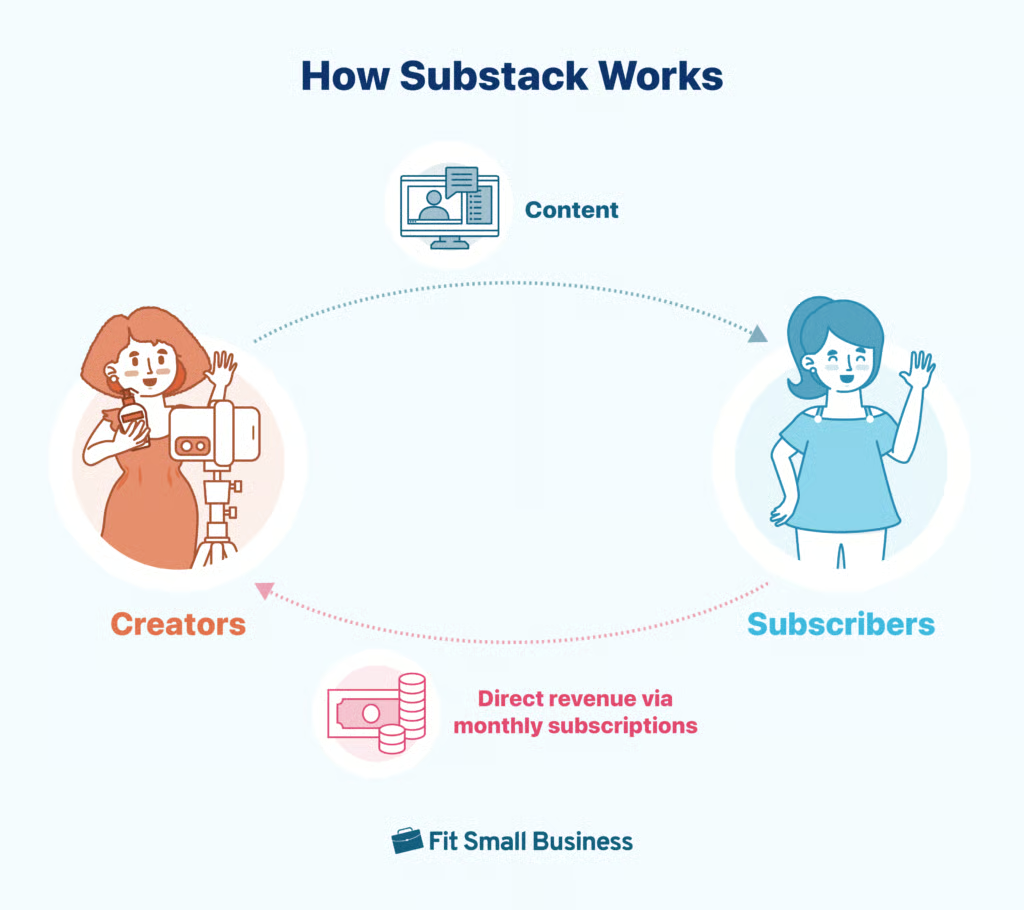
Next question: Can you make money on Substack? Yes! Substack operates on a subscription basis, where creators can set how much they want to charge per month, from a minimum of $5. You can start charging subscriptions once you have 50 subscribers.
The unfortunate thing, however, is that Substack takes a 10% cut from every subscription, which is pretty high even compared to other newsletter platforms.
- How Substack works — for creators and readers
- Making money on Substack — more subscribers, more earnings
- How to maintain consistent Substack growth
- What I like and don’t like about Substack, and the best ways to use it
- What are the best use-cases for Substack?
- How to get started on Substack
- Best alternatives to Substack
- Frequently asked questions (FAQs)
- Bottom line
How Substack works — for creators and readers
Substack is an online publishing platform that lets creators publish blogs for subscribers. Many independent writers, journalists, bloggers, and influencers use Substack to publish and send articles directly to subscribers’ inboxes, creating a direct line between creators and audiences.
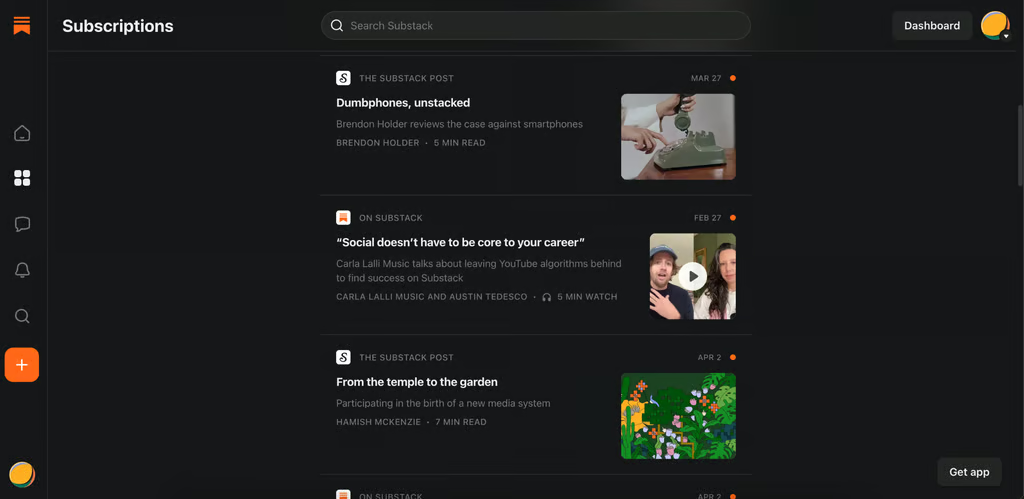
You’ll find your Substack subscriptions on the home feed… (Source: Substack) 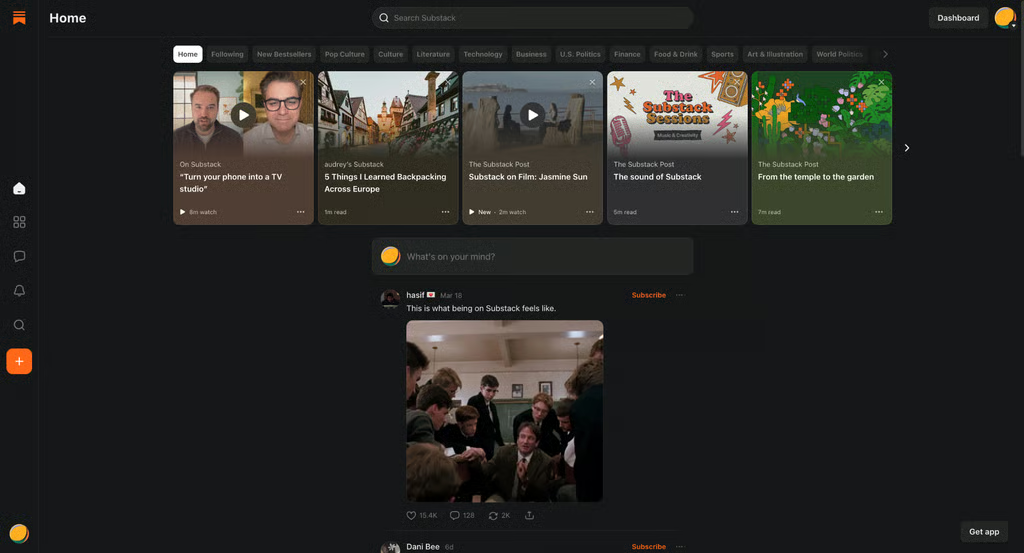
…As well as other publishers you can follow. (Source: Substack)


As a marketing tool, Substack can help build an engaged audience and get paid directly by your subscribers. As such, Substack is a good tool for independent writers, bloggers, and journalists to connect directly with audiences. Conversely, it’s a way for subscribers to read content directly from the creators they care about, without algorithms or ads getting in the way.
I also love that it provides an optimum reading experience — its newsletters are always laid out with the reader experience in mind, not for marketing or selling a product.
Making money on Substack — more subscribers, more earnings
You can have three types of audiences on Substack: paying subscribers, free subscribers, and non-subscribed readers (basically everyone else on the internet).
You make money by charging paid subscribers a minimum of $5 monthly to read your paid content once you reach 50 subscribers. Once you hit 50 subscribers, you can publish content as subscriber-only posts or free for everyone to read.
However, this means you’ll need to grow your audience pretty quickly to “go paid,” aka to start paywalling subscriber content.
- Subscriber-only blogs will automatically be sent to your subscribers as an email newsletter and published on your Substack profile. You can also share their links on social media.
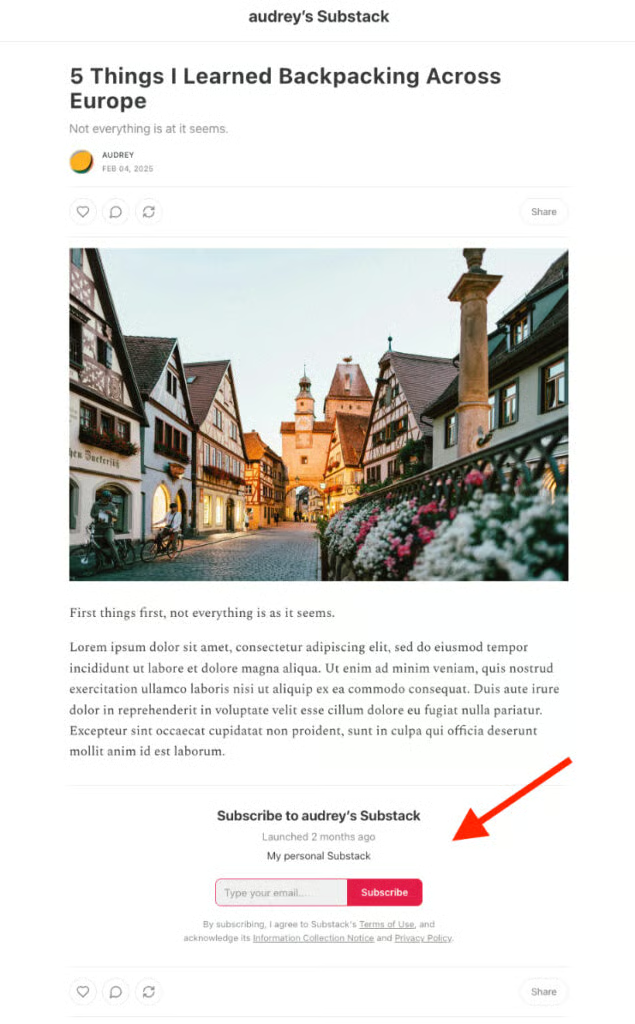
- Meanwhile, when non-subscribed readers read a free post, they’ll see a sign-up form at the end of your article to sign up for your newsletter.
Most creators tend to charge between $5 and $10 per month for subscriptions, although, as mentioned, Substack also takes a 10% cut from each subscription (plus extras from credit card transactions).
Say you have 100 subscribers who pay $5 per month. With Substack’s cut and transaction fees, you’d be earning around $406 per month. Check out Substack’s pricing calculator for more estimations.
Substack provides a lot of freedom for writers to earn from their content, but that’s also the trickiest part about it. Your earnings will be directly proportional to the number of subscribers you have, which, in turn, relies on how consistently you publish and how well you promote your content. On the other hand, if you paywall all your content, you won’t get any subscriptions at all.
How to maintain consistent Substack growth
Maintaining a consistent subscriber growth is just as important as publishing content regularly to earn more on Substack. The more paying subscribers you have, the larger your earnings per month.
However, this has historically always been the most challenging part of being a writer on Substack — all the content promotion will be up to you, aside from publishing content consistently. Like any other form of content promotion, it takes some trial, error, and consistency to find your own niche and audience.
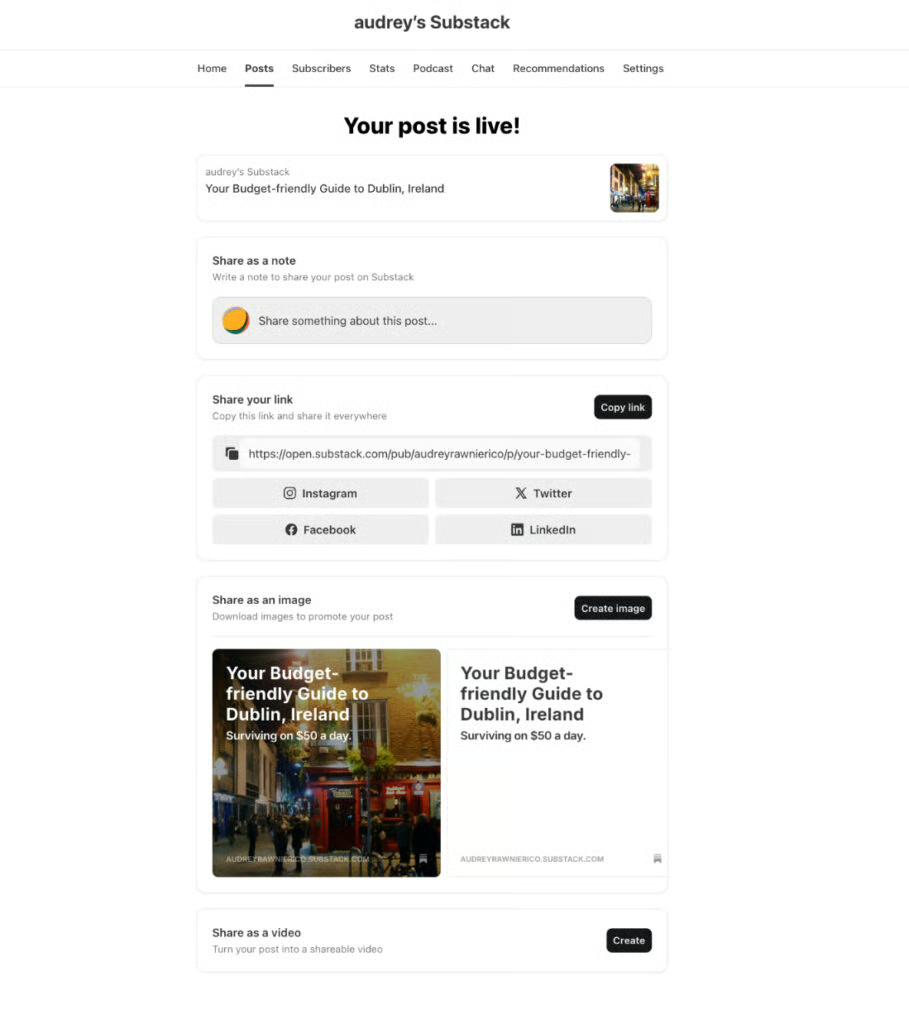
- Sharing proactively when you’re starting out is always essential. Substack has features that make it easy to share newly published articles on social media, complete with a header image, or even as simple quote-style video snippets. Use them!
When you’re starting out, sharing your content via social media is the only way you’ll get any kind of exposure — especially if you already have a social media following. - Cross-post on other publishing sites like Medium. I started out on Medium, but ultimately, Substack has the better newsletter and subscription features. That said, it’s still possible to cross-post free articles from Substack to Medium to get them in front of more audiences. Make sure to link your story back to your Substack to encourage sign-ups.
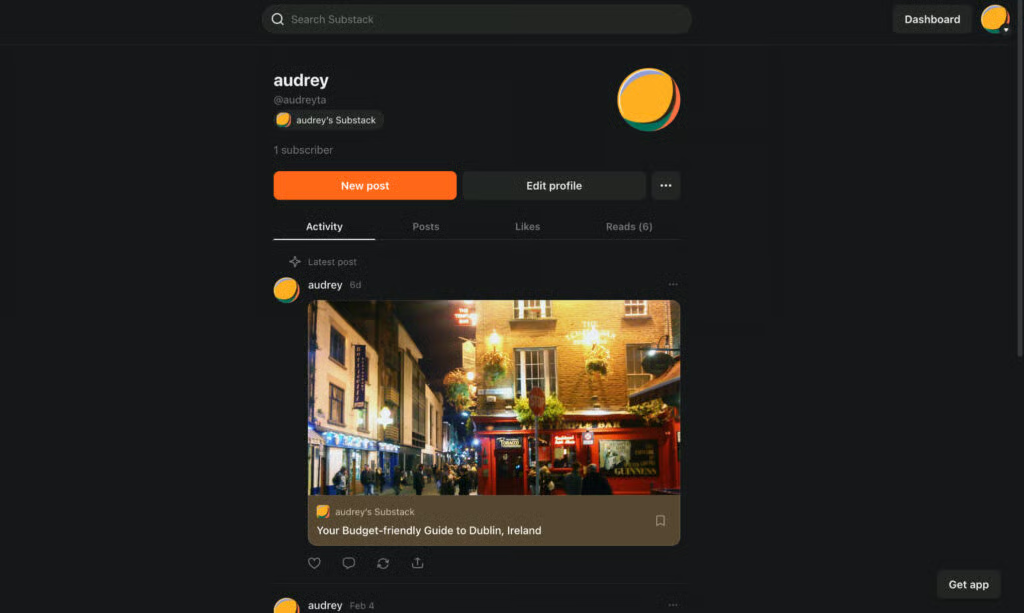
- Promote your creator profile. Another thing I like about Substack is its Creator Profile feature, which works like a mini personal website for your Substack where people can find all your articles and subscribe to your newsletter. Promote it by linking to it on your email signature, social media profiles, or business cards.
- Join forums and discussions where your topics are discussed. X, Reddit, and Quora are where people tend to have “in the moment” discussions on almost any topic and niche. More specifically, it’s where microcommunities live and thrive.
They’re my favorite spaces to share blogs on precisely for these reasons. Join discussions, interact with people, and share your blogs where they’re relevant. - Find your niche. Substack is very niche-centered — writers are usually grouped and promoted by the specific topic niches they write predominantly about, like music reviews, creative nonfiction, or productivity.
To succeed on the platform, you will very likely need to align yourself with one of those niches and focus at least 75% of your content on your niche to position yourself as a credible creator. Spreading yourself out with too many topics will make it more difficult to build a steady audience. - Connect with fellow writers. There’s also a social media aspect to Substack where you can post content on a feed, not unlike X or Threads. Use it to connect with fellow writers and share your own content.
- Keep a good amount of content free. Don’t make the mistake of over-paywalling content and not getting any subscribers at all. What I’ve noticed from the most successful creators on Substack is that they tend to keep all the topics they write about completely free, and then paywall extra related content like deep dives and responses.
What I like and don’t like about Substack, and the best ways to use it
Substack is one of the best blogging platforms if you’re a writer or blogger of any kind, whether journalistic, literary, or creative, who wants a direct revenue stream from your readers. Conversely, for readers, it’s a direct way to support your favorite writers, creators, and influencers.
That’s one of Substack’s biggest assets. It also makes it easy to grow your online presence with built-in sharing tools for your content. But on the flip side, it’s very niche-heavy, and it’s not always easy to grow a subscriber base and start earning consistently.
The good about Substack
Substack gives your content a direct line to readers without relying on an algorithm. It also gives you a direct revenue stream from readers.
- Signing up for an account and publishing blogs is free, and once you have 50 subscribers, you can set your own monthly subscription fee.
- You can publish blogs for subscribers only or make them free for anyone to read.
- All free blogs have a newsletter sign-up form at the end to encourage readers to subscribe. They’re also automatically shareable on social media and can be repurposed as images or videos.
- The Creator Profile is a great shareable home page to share with people to discover your content.
The not-so-great about Substack
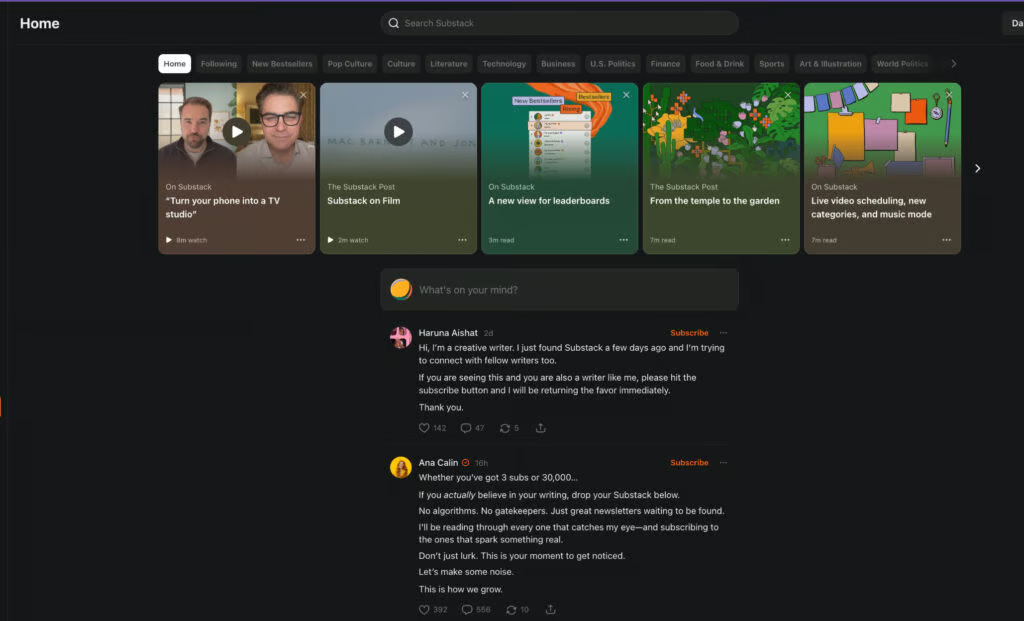
The home feed isn’t great. It’s like a mix of Reddit and X that doesn’t give me blogs I want to read or newsletters I might want to subscribe to. Instead, it’s a feed of posts from other Substack publishers that aren’t always relevant to my interests.
There’s a sense that it tries to combine the functions of a social media platform and a publishing platform, but not always successfully.
- Substack takes a 10% cut from your subscriptions. This means you need to constantly publish content to keep a constant revenue stream, which can lead to writing burnout if you don’t manage yourself well.
- The subscription-based model makes it difficult to get any organic Substack growth. To grow an audience, you’ll need to actively promote your blog externally.
- Unlike Medium, its writer community isn’t as active, so it won’t be very helpful if you want to network with an online writer community.
- It’s also very niche-focused, which can be difficult to branch out of for fear of losing subscribers.
What are the best use-cases for Substack?
As mentioned, Substack’s best features are its ability to build an engaged subscriber base and create a direct revenue stream from fans without an algorithm getting in the way.
Ultimately, Substack is best for content creators, influencers, indie essayists, small businesses wanting a content marketing platform, and journalists and creatives looking for somewhere to build their own publications.
- If you’re a content creator with an audience, use Substack to start monetizing your content. If you publish content on other free platforms, like WordPress or Medium, and already have an audience, Substack is a good platform to start monetizing your content.
Publish on Substack, tell your followers to find you there instead, and once you have more than 50 subscribers, post exclusive content to entice paid subscriptions. - Use Substack to build email newsletters and keep your audience engaged. Need a free publishing platform with a built-in email newsletter feature, but don’t want all the bells and whistles of a full website? Substack is a good alternative.
You can easily set up an account for your business and publish newsletters to keep your audience engaged with your brand, and then share your blogs on your brand’s socials — all for free. - Use Substack to expand your brand presence beyond your website or social media profiles. Websites and social media profiles are a good way to get your business noticed organically on Google. However, email newsletters can take that further and turn your website visitors into engaged audiences.
If you have a website, invite people to sign up for your newsletter for more content from your brand straight to their inbox. - Use Substack to offer exclusive memberships (aka loyalty programs). Substack can be a great platform for building a loyalty membership program. Invite followers to sign up for your loyalty program, then send them exclusive content, deals, and vouchers via their emails.
- If you’re an independent writer or journalist, use Substack to build your personal brand and earn direct income from fans. Journalists also use Substack to build an independent voice and following outside of the publication they write for.
It’s a good way to keep close contact with regular readers, continue publishing content in your niche, and give your fans a direct avenue to support you. - If you’re a creative, use Substack to build your personal brand. If you’re an independent artist (digital or traditional), filmmaker, photographer, or other creative, Substack is a good alternative to building a full website for an online platform.
Publish your work on the platform and develop your unique creative identity, then start charging paid subscriptions whenever you’re comfortable (and have over 50 subscribers). - Use Substack to share exclusive content with followers and build thought leadership. Substack’s subscriber-only feature is a great tool for offering exclusive high-value content to your followers. Use it to share industry insights, case studies, or expert tips.
- Use Substack to build an engaged brand community. If you have an existing customer and social media community, use them to create an email list for targeted newsletters like thank-you and review request emails, and build an engaged brand community.
You can even use emails to answer frequently asked questions. Of course, if your subscribers have comments or questions, make sure to reply to them.
How to get started on Substack
If you’ve determined that Substack is a good platform for your needs, all that’s left is to start publishing. You’ll only need to create an account on the website, follow a few Substack publications as part of the onboarding process, and then start posting.
1. Visit Substack and create an account
First order of business: Navigate to the Substack website and select “Create account” in the upper-right corner. As part of the onboarding process, you’ll need to select a few publications to follow, which will show up in your home feed. After that, type in the email address to use for your account.
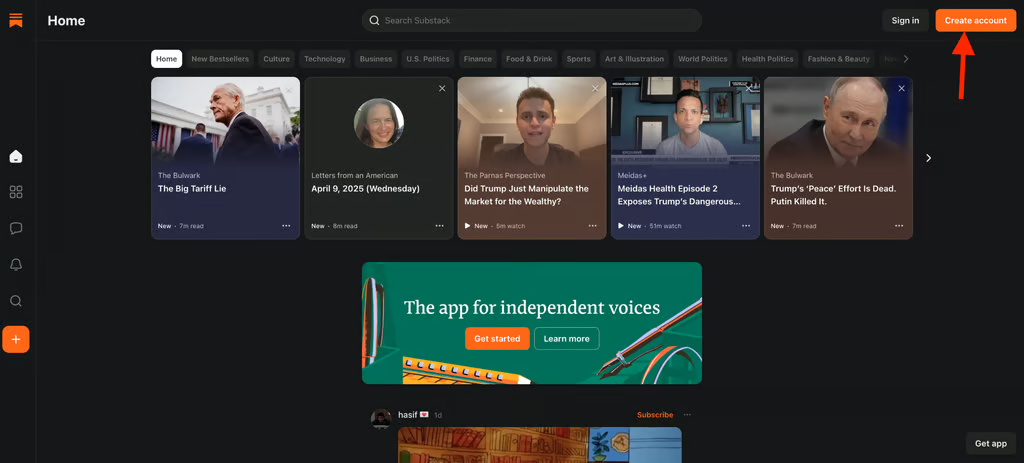
On the Substack website, select “Create account” in the upper right corner. (Source: Substack) 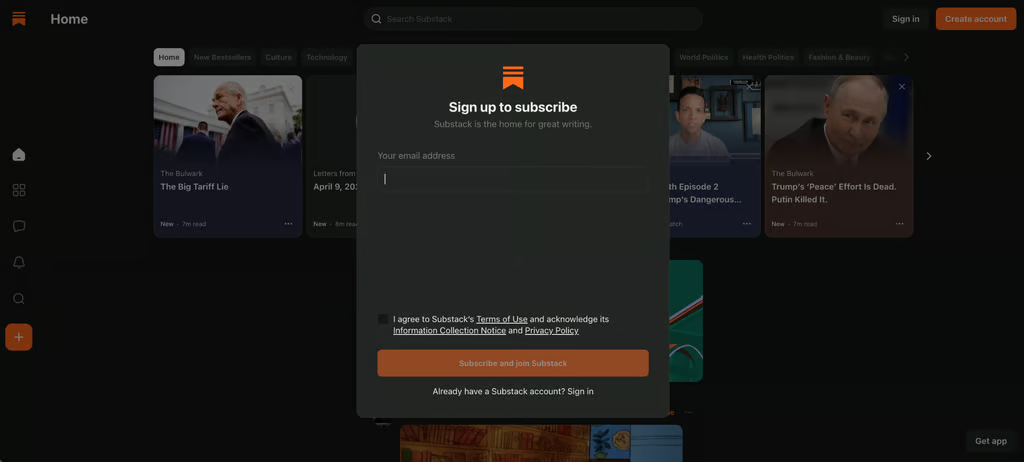
Sign up with your email address. (Source: Substack) 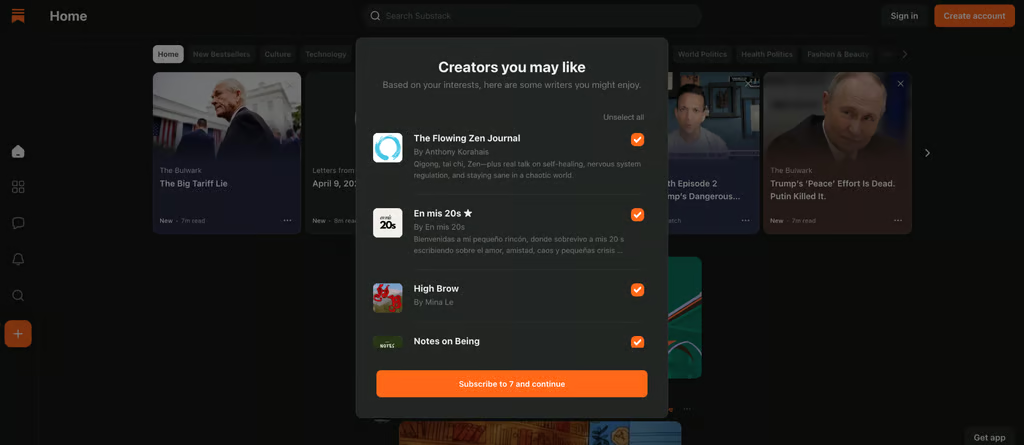
Follow a few creators to get started. (Source: Substack)


2. Explore your home page and publish your first post
After creating your account, you’ll be directed to your home page, where you’ll see all the publications you signed up for.
On your home page, navigate to “Dashboard” in the upper-right corner. This is where you’ll be able to view all your posts, subscribers, and revenue. Select “New post” to publish your first post, then choose a content type (text, video, or audio), create, and publish.
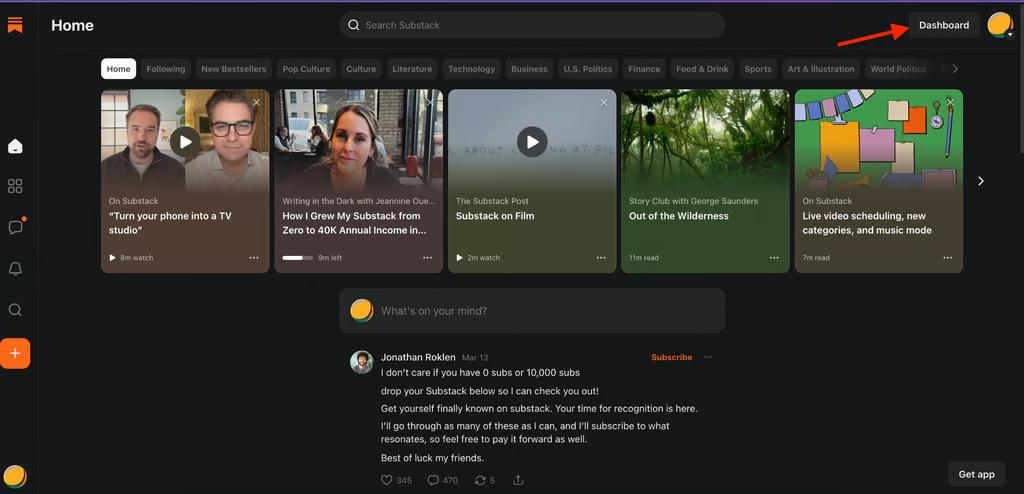
Navigate to “Dashboard” to publish your first post. (Source: Substack) 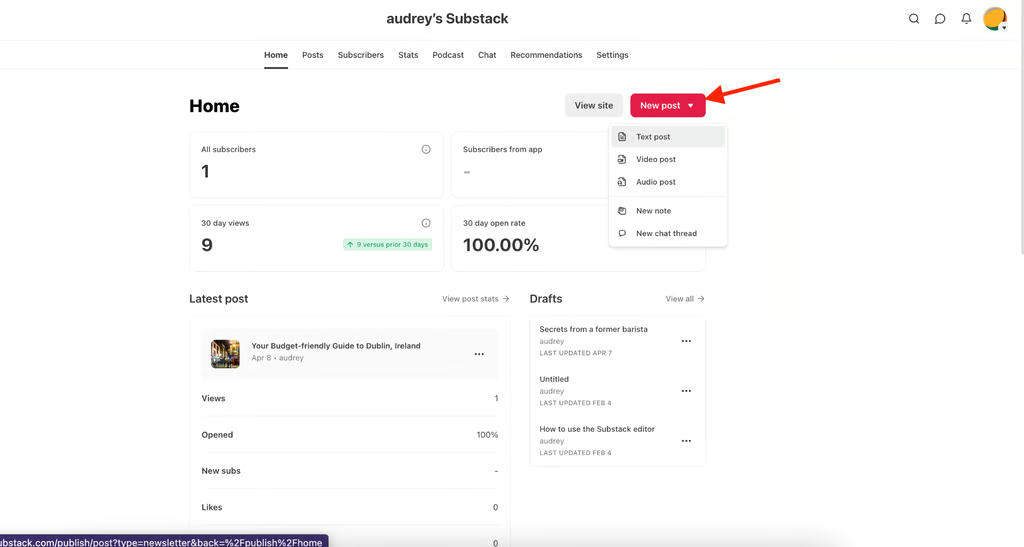
Select “New post,” then choose a type of post. (Source: Substack) 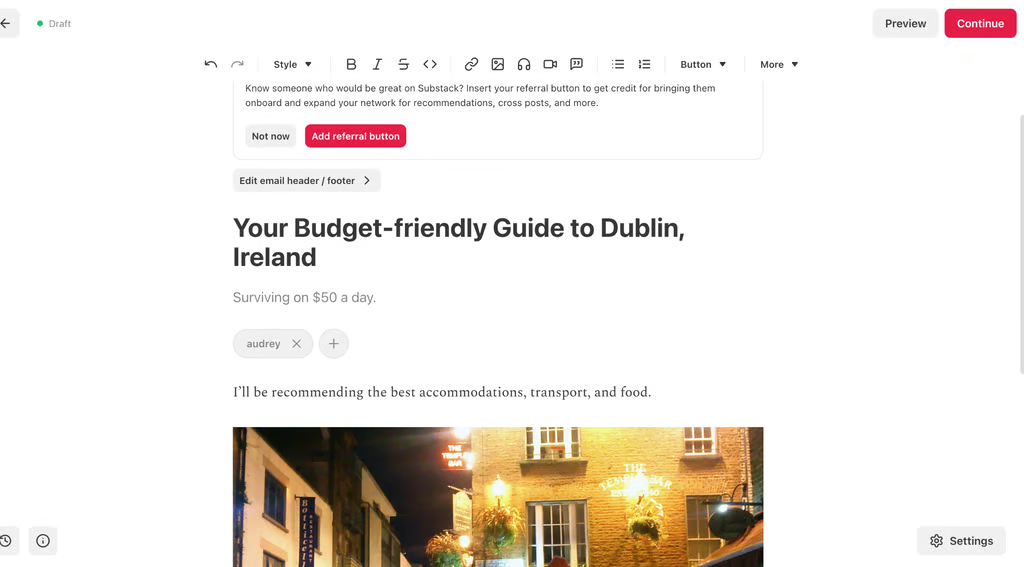
Create and publish your content. (Source: Substack)


3. Gain subscribers to start monetizing content
After publishing blogs, you’ll be able to share their links on social media or repurpose them into images or short videos within Substack.
Take advantage of these features to help your blogs reach more audiences and gain subscribers. When external audiences read your blog, they’ll see a sign-up form at the very end to subscribe to your content.
Your blog will also be published to the Substack community, where other creators can subscribe to your content. Once you reach 50 subscribers, you can turn on paid content in your settings and offer paid subscriptions.
Best alternatives to Substack
Substack is one of the best content publishing platforms, but there are other options for publishing blogs on a more active writer community, monetizing creative work with subscription tiers, and sending subscriber emails.
Some of the best alternatives to Substack are Medium, Patreon, Mailchimp, and Kit.com.
 |  |  |  |
|---|---|---|---|
| Great alternative for a simple and free blog publishing platform with an active writer community | A tier-based subscriber platform for sharing videos, music, art, and other creative work | A platform for building email marketing campaigns, with templates for newsletters, abandoned carts, and other campaigns | Similar newsletter and subscription features, but supports more content types like video, image, and audio |
| Visit Medium | Visit Patreon | Visit Mailchimp | Visit Kit.com |
Frequently asked questions (FAQs)
Can you make money on Substack?
Yes. Once you reach 50 subscribers on your Substack profile, you can start charging a monthly subscription fee starting from $5 a month. This also allows you to paywall certain content, which will only be accessible to paying subscribers.
However, Substack takes a 10% cut from every transaction fee (plus extra for credit card transactions), and how much you earn will ultimately depend on how many subscribers you have and the subscription fee you charge. For instance, if you have 100 subscribers and charge $5 per subscriber, you’ll earn an estimated $406 per month, with Substack’s transaction fees.
Is Substack good for earning money?
Substack can definitely generate income from publishing blogs to paying subscribers, but how much you earn will depend on how many paying subscribers you collect and how well you balance your free vs paywalled content to maintain subscriber growth.
However, lots of writers have found consistent income with Substack. It all comes down to finding the right content strategy and publishing cadence to maintain a consistent subscriber growth.
Which pays better: Medium or Substack?
Medium and Substack have fundamentally different pricing models. With Medium, writers earn money via its paid membership program, where audiences pay $5 a month or $50 a year to support writers and read member-exclusive stories.
The stories with the most views and engagement get paid the most — which means stories that go viral earn more than stories that get no views, and there’s no way to predict the algorithm.
On the other hand, Substack has a direct-to-creators subscription model, where creators charge their own monthly subscription fee (starting at $5) to subscribers, from which Substack takes a 10% cut.
In that regard, Substack tends to pay more than Medium, although your earnings will also depend on how well you can promote your content and maintain steady subscriber growth.
Bottom line
If you’re a content creator or brand planning to start a blog, definitely look into Substack. It’s one of the best content publishing platforms, especially for providing a direct revenue stream from your subscribers instead of relying on Google’s ever-changing algorithms. Consequently, it gives subscribers a direct way to access your content and support your work. There’ll likely be an initial trial-and-error period while you find your niche and audience, but once you gain a footing in the community, it’s a good place to earn from your content.
