





.jpg?w=288)

Retail isn’t just about traditional storefronts anymore. Many of today’s most successful retail businesses use pop-ups, mobile setups, ecommerce, or experience-driven models to keep startup costs low and margins strong. The opportunity for small and independent retailers has never been more flexible.
Below are 32 small retail business ideas with proven demand and profit potential. Each idea includes estimated startup costs, time to launch, and who it’s best for, making it easy to compare options and find the right fit for your budget, goals, and experience level.
- Retail business ideas without a traditional storefront
- Food and beverage retail ideas
- Apparel, gift, and resale retail ideas
- Niche and lifestyle retail ideas
- Experience-based and hybrid retail businesses
- Retail service businesses
- What makes a good retail business idea?
- Frequently asked questions (FAQs)
- Bottom Line
Retail business ideas without a traditional storefront
These retail models sell physical products or in-person experiences without requiring a permanent storefront, making them easier and less expensive to launch.
1. Permanent jewelry pop-up
Quick facts:
- Startup costs: $3,000-$8,000
- Time to launch: 2-6 weeks (including training and selling)
- Profit margin: 65%-85%
- Best for: Creatives, makers, event-based sellers, and side hustlers
Permanent jewelry is a fast-growing retail concept that focuses on personalization and experience. Instead of selling finished pieces, you custom-fit and weld delicate chains directly onto a customer’s wrist, ankle, or neck, creating a clasp-free accessory meant to last.
Most permanent jewelry businesses operate as pop-ups or mobile services, setting up at markets, boutiques, weddings, and private events. This keeps overhead low while allowing you to follow demand. Startup costs typically include a welding machine, chains (often gold-filled or solid gold), insurance, and basic jewelry tools. While training is required, the learning curve is manageable for beginners.
Bonus idea: Offer event packages for bridal parties, friendship groups, or corporate events. Limited-edition chains or seasonal charms can help increase average transaction value. You can also partner with local boutiques or salons to host exclusive pop-up events and reach new audiences.
2. Subscription box service
Quick facts:
- Startup costs: $3,000-$25,000
- Time to launch: 1-3 months
- Profit margin: 35%-65%
- Best for: Niche curators, ecommerce starters, and customer experience pros
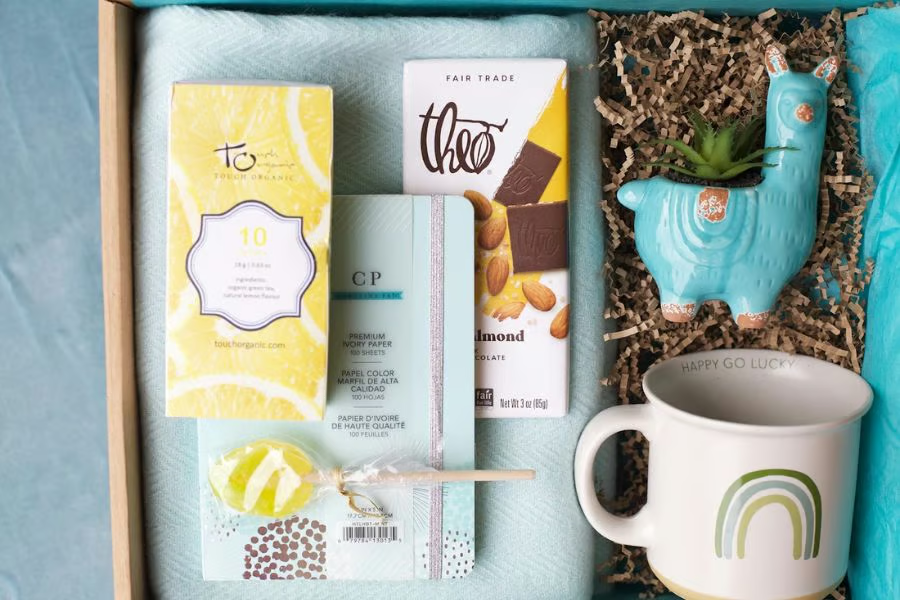
A subscription box retail business sells curated physical products on a recurring schedule, creating predictable, repeat revenue. In recent years, the model has shifted away from broad “surprise boxes” and toward highly focused niches — think wellness routines, hobby kits, specialty foods, or pet products tailored to specific needs or lifestyles.
One of the biggest advantages of this model is flexibility. You can start entirely online, source products in small batches, and scale gradually as your subscriber base grows. That said, long-term success depends on retention. Customers stay subscribed when boxes feel thoughtfully curated, consistently valuable, and easy to manage through flexible billing or skip options.
Bonus idea: Increase lifetime value by offering tiered plans, gift subscriptions, or limited-edition boxes tied to seasons or trends. Many successful brands also add one-time add-ons or members-only products to boost revenue without increasing fulfillment complexity.
3. Online-first retail brand with pop-ups
Quick facts:
- Startup costs: $2,500-$30,000
- Time to launch: 2-8 weeks
- Profit margin: 40%-70%
- Best for: Ecommerce sellers, makers, and brand builders
An online-first retail brand starts by selling products through an ecommerce store, then uses pop-ups, markets, or short-term retail spaces to reach customers in person. This model has become increasingly popular as small businesses look for ways to test products, build brand awareness, and generate sales without committing to a long-term lease.
Many owners begin with a narrow product line, such as apparel, home goods, gifts, or accessories, and use online sales data to decide which items to feature at pop-ups. In-person selling helps build trust, gather feedback, and drive repeat online purchases after the event ends. Startup costs typically include website setup, initial inventory, payment processing, and basic display materials for pop-ups.
Bonus idea: Use pop-ups as product testing events. Track which items sell best in person, then double down on those products online or turn them into limited-edition drops to create urgency and boost sales.
4. Local artisan marketplace
Quick facts:
- Startup costs: $12,000-$60,000
- Time to launch: 2-5 months
- Profit margin: 30%-65% (depends on consignment, shelf rental, or wholesale mix)
- Best for: Community-focused founders, curators, and local-first entrepreneurs
A local artisan marketplace brings together products from multiple makers, such as jewelry, candles, ceramics, art, and home goods, into one curated retail space. These stores perform best in tourist areas, downtown districts, and neighborhoods with strong support for small and local businesses, where shoppers are actively looking for unique, giftable items.
This model is especially appealing for new retail owners because it reduces inventory risk. Many marketplaces use consignment or vendor shelf-rental agreements, which limit upfront costs and allow you to earn predictable monthly revenue. Beyond product sales, successful marketplaces act as community hubs by hosting maker events, workshops, seasonal markets, or rotating vendor spotlights that keep the store feeling fresh.
Bonus idea: Add an online storefront featuring a rotating selection of top-selling makers. This extends your reach beyond local foot traffic and helps smooth out slower seasons without significantly increasing overhead.
Food and beverage retail ideas
Food and beverage retail businesses benefit from steady demand, repeat customers, and strong local loyalty. From mobile concepts to brick-and-mortar shops, these businesses allow owners to start small, test their offerings, and scale over time. While margins vary by concept, successful food and beverage retailers stand out by focusing on quality, consistency, and a clear niche.
5. Beverage stand
Quick facts:
- Startup costs: $4,000-$30,000
- Time to launch: 2-6 weeks
- Profit margin: 55%-85%
- Best for: First-time business owners, students, and seasonal operators
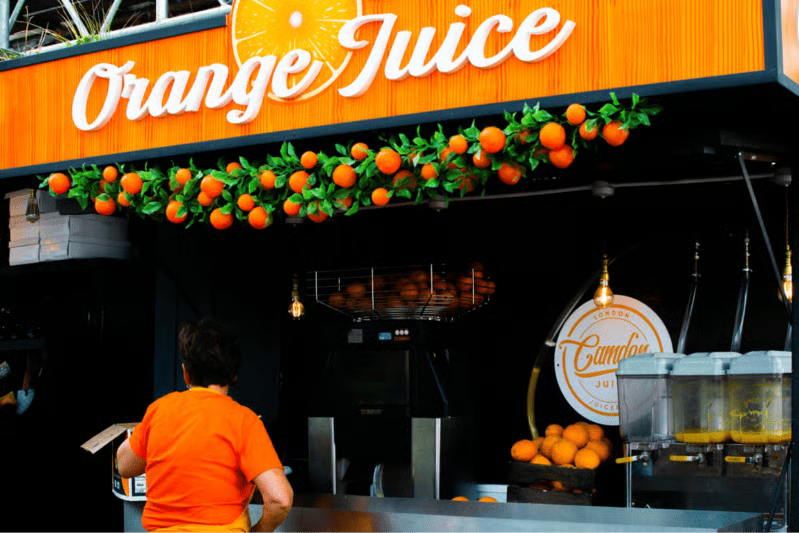
A beverage stand is one of the fastest and most accessible ways to start a food-based retail business. With low ingredient costs and strong markup, concepts like lemonade, iced coffee, boba, and fresh juice can generate solid profits in high-foot-traffic or warm-weather locations. Many operators start small and reinvest early profits to expand menus or upgrade equipment.
Beverage stands work well at farmers’ markets, festivals, parks, and near offices or schools. You can begin with a basic cart, pop-up tent, or compact booth and scale up as demand grows. Clear branding, simple menus, and consistent quality matter more than complexity when attracting repeat customers.
Bonus idea: Increase sales by rotating seasonal flavors, offering combo pricing, or partnering with local events for exclusive pop-up rights. Limited-time drinks create urgency and encourage repeat visits.
6. Food truck business
Quick facts:
- Startup costs: $35,000-$120,000
- Time to launch: 3-6 months (permits, inspections, and buildout vary by location)
- Profit margin: 25%-55%
- Best for: Culinary entrepreneurs, chefs, and hands-on owners
A food truck offers a flexible way to sell prepared food without the long-term commitment and high overhead of a traditional restaurant. Successful trucks focus on a narrow, well-executed menu — such as tacos, burgers, bowls, or dessert concepts — that can be prepared quickly and consistently in a small space.
Mobility is one of the biggest advantages. Food trucks can rotate between festivals, breweries, office parks, and private events, allowing owners to follow demand and test different locations. Strong branding and active social media are essential, as customers rely on online updates to find where you’re parked each day.
To create more predictable revenue, many food truck owners partner with local venues for recurring weekly spots or focus on catering, corporate lunches, and private events during slower periods.
7. Specialty coffee shop
Quick facts:
- Startup costs: $30,000-$275,000
- Time to launch: 3-6 months
- Profit margin: 18%-45%
- Best for: Community-minded founders, creatives, and coffee or tea enthusiasts
A specialty coffee shop succeeds by offering more than a cup of coffee — it delivers a consistent experience customers want to return to. While quality drinks are essential, successful shops stand out through atmosphere, service, and a clearly defined niche, whether that’s craft pour-overs, specialty teas, boba drinks, or locally sourced food items.
Many modern coffee shops operate as destination spaces rather than quick-stop cafes. Concepts like café-and-bookstore hybrids, boba lounges, or pet-friendly cafes encourage customers to stay longer and visit more often. Location, layout, and staff training play a major role in turning occasional visitors into regulars.
To stay competitive in a crowded market, owners should focus on efficient workflows, strong customer service, and menu offerings that balance creativity with consistency.
Pro tip: Invest in barista training and service experience. Great drinks bring people in, but great service keeps them coming back.

8. Specialty grocery
Quick facts:
- Startup costs: $15,000-$120,000+
- Time to launch: 2-6 months
- Profit margin: 18%-38%
- Best for: Food-focused entrepreneurs, cultural connectors, and niche product experts
Specialty grocery stores focus on curated products that larger grocers often overlook. Common niches include international foods, organic or locally sourced items, allergen-friendly products, and specialty diets. By serving a clearly defined customer base, these stores can build strong loyalty and support higher pricing than traditional grocery chains.
Owners with deep knowledge of a specific cuisine or food trend are especially well-positioned for success. Many specialty grocers go beyond retail by hosting tastings, cooking demos, or cultural events that turn the store into a community destination rather than just a place to shop. Careful sourcing and inventory management are key to maintaining margins in this category.
Bonus tip: Test demand before opening a full store by starting with a pop-up booth, farmers market stall, or online shop. This approach helps validate product selection while keeping upfront costs manageable.
9. Ice cream and sweets shop
Quick facts:
- Startup costs: $25,000-$175,000
- Time to launch: 3-6 months
- Profit margin: 25%-55%
- Best for: Food-focused entrepreneurs, families, and community-oriented owners
An ice cream and sweets shop is a high-visibility retail business that thrives on foot traffic, impulse purchases, and repeat visits. These shops perform best in downtown areas, tourist districts, and neighborhood centers where customers are looking for a quick treat or a shared experience. Offering a balance of familiar favorites and rotating specialty flavors helps attract both casual customers and loyal regulars.
Independent shops can compete with national chains by emphasizing quality and creativity. Using local or seasonal ingredients, collaborating with nearby bakeries, or introducing limited-time flavors gives customers a reason to return throughout the year. Simple add-ons such as candy, cookies, or baked goods can also increase average order value without adding significant operational complexity.
Bonus idea: Expand revenue beyond your storefront by offering birthday catering, ice cream cakes, or pop-up carts at festivals and private events. These off-site sales can help offset slower seasons and improve overall profitability.
10. Meal-prep and grab-and-go food retail
Quick facts:
- Startup costs: $20,000-$80,000
- Time to launch: 2-4 months
- Profit margin: 25%-45%
- Best for: Food entrepreneurs, health-focused founders, and operators seeking recurring revenue
Meal prep and grab-and-go food retail focuses on selling pre-made, packaged meals customers can quickly pick up or subscribe to on a weekly basis. Unlike restaurants, these businesses rely on batch cooking, limited menus, and predictable demand, which helps control food costs and streamline operations. Popular concepts include fitness meals, diet-specific plans (keto, vegan, gluten-free), and family-style weekly bundles.
This model works well in urban areas, near offices, gyms, or residential neighborhoods where convenience is a top priority. Many owners start with a small retail counter or shared commercial kitchen and scale through subscriptions, corporate orders, or local delivery. Clear labeling, consistent portions, and reliable pickup schedules are key to building trust and repeat sales.
Bonus idea: Boost retention by offering weekly subscriptions with flexible pickup times or rotating menus. Partnering with local gyms, wellness studios, or employers can also help lock in steady bulk orders.
11. Refillery
Quick facts:
- Startup costs: $18,000-$85,000
- Time to launch: 2-4 months
- Profit margin: 25%-55%
- Best for: Eco-conscious entrepreneurs and community-minded changemakers
A refillery is a retail store built around a low-waste, bring-your-own-container model. Customers refill everyday essentials such as soaps, detergents, shampoos, grains, and spices, reducing packaging waste while often saving money over time. As sustainability becomes a deciding factor for more shoppers, refilleries have shifted from niche concepts to viable neighborhood retail businesses.
Startup costs typically include bulk dispensers, initial inventory, point-of-sale equipment, and store fixtures. Successful refilleries focus on convenience as much as mission — clear pricing, fast refills, and reliable product availability matter just as much as eco-friendly messaging. These stores perform best in areas with strong interest in sustainability, wellness, or local shopping.
Bonus idea: Increase repeat visits by offering starter kits for first-time customers or refill bundles for high-use household items. Partnering with local eco groups, gyms, or wellness studios can also help drive steady, mission-aligned traffic.

Apparel, gift, and resale retail ideas
Apparel, gift, and resale businesses rely on curation, branding, and impulse buying. These retail models work especially well for small business owners because they allow you to differentiate through style, storytelling, and niche focus — often with higher margins than big-box competitors.
12. Vintage clothing boutique
Quick facts:
- Startup costs: $6,000-$60,000
- Time to launch: 1-3 months
- Profit margin: 35%-75%
- Best for: Fashion-focused entrepreneurs, resale specialists, and sustainability-minded owners
A vintage clothing boutique sells curated secondhand and retro apparel, tapping into growing demand for sustainable fashion and one-of-a-kind style. These businesses can launch in a small storefront, market booth, or pop-up format, keeping startup costs manageable while offering strong markup potential on well-sourced pieces.
Success depends on curation and consistency. Owners who understand trends, maintain a clear aesthetic, and source quality inventory — especially rare or designer items — are often able to command premium prices. Social media plays a major role in discovery, with many boutiques using Instagram or TikTok to showcase new drops and drive both in-store and online sales.
Bonus idea: Increase foot traffic and brand loyalty by hosting styling sessions, upcycling workshops, or limited-time collaborations with local artists or designers.
13. Gift shop
Quick facts:
- Startup costs: $18,000-$85,000
- Time to launch: 2-4 months
- Profit margin: 30%-55%
- Best for: Curators, local-first entrepreneurs, and tourism-focused owners
A gift shop succeeds by offering products customers don’t expect to find elsewhere. These stores perform best in high-foot-traffic areas such as tourist districts, downtown corridors, and cultural hubs, where impulse buying plays a major role. Popular inventory includes locally made goods, seasonal gifts, personalized items, and small-ticket products that are easy to purchase on the spot.
Strong visual merchandising and frequent inventory refreshes are critical. Successful gift shop owners rotate displays often, highlight new arrivals, and use simple add-on services like gift wrapping to increase average order value. Partnering with local makers also helps differentiate your shop from chain retailers and builds a sense of community.
Bonus idea: Run rotating “local maker” features or limited-time collections to keep the product mix fresh and encourage repeat visits from both locals and tourists.
14. Secondhand and recommerce Store
Quick facts
- Startup costs: $15,000-$70,000
- Time to launch: 2-4 months
- Profit margin: 30%-60%
- Best for: Resale-focused entrepreneurs, budget-savvy operators, and sustainability-minded founders
A secondhand and recommerce store sells gently used or refurbished goods across categories such as children’s items, sporting equipment, electronics, furniture, or apparel. Unlike traditional thrift stores, recommerce retailers focus on curated inventory, quality standards, and clear pricing — making the shopping experience more consistent and approachable.
This model works especially well for products with short use cycles or high replacement costs, such as kids’ gear or seasonal sports equipment. Many owners reduce risk by using buy-back programs, consignment, or trade-in credit instead of purchasing inventory outright. Clear intake guidelines, product testing, and efficient inventory turnover are key to maintaining margins.
Bonus idea: Add online listings for high-value or fast-moving items and offer store credit instead of cash payouts to encourage repeat purchases and improve cash flow.
15. Flower shop
Quick facts:
- Startup costs: $15,000-$90,000
- Time to launch: 2-4 months
- Profit margin: 25%-65%
- Best for: Design-focused entrepreneurs and owners with strong local connections
A flower shop combines creative work with fast-paced retail operations. In addition to everyday bouquet sales, successful florists generate revenue through local delivery, event and wedding florals, and hands-on offerings, such as workshops and classes. This mix of retail and services helps smooth out seasonal swings and increase average order value.
Because flowers are perishable, strong supplier relationships and careful inventory planning are critical. Owners who understand seasonal demand, pricing fluctuations, and efficient ordering are better positioned to protect margins. Many florists also expand beyond flowers by selling plants, candles, or small gift items to drive additional sales.
Bonus idea: Build recurring revenue with weekly or monthly flower subscriptions for homes, offices, or hospitality businesses. Partnering with local venues, event planners, or gift shops can also create steady, year-round referral opportunities.

16. Bookstore
Quick facts:
- Startup costs: $45,000-$175,000
- Time to launch: 4-6 months
- Profit margin: 12%-38%
- Best for: Book lovers, educators, and community builders
Independent bookstores are finding new life by offering what online sellers can’t: a curated, in-person experience built around discovery and connection. Successful shops focus on thoughtful merchandising, staff recommendations, and a welcoming layout that encourages browsing and repeat visits.
Many owners strengthen their position by narrowing their focus. Specializing in children’s books, genre fiction, local or indie authors, or banned and hard-to-find titles helps differentiate from national chains and online marketplaces. Community engagement plays a major role in long-term success, with events like author talks, book clubs, poetry readings, and children’s storytime driving consistent foot traffic.
Bonus idea: Increase revenue by adding complementary offerings, such as a small café, branded merchandise, or curated book subscription boxes for loyal customers.

Niche and lifestyle retail ideas
Niche and lifestyle retail businesses focus on serving specific interests, values, or communities. By catering to a clearly defined audience, these stores can build strong loyalty, support higher margins, and compete effectively with larger, general retailers.
17. Pet supply boutique
Quick facts:
- Startup costs: $12,000-$90,000
- Time to launch: 2-5 months
- Profit margin: 30%-65%
- Best for: Pet-focused entrepreneurs, community builders, and owners seeking recurring revenue
A pet supply boutique serves pet owners who are willing to spend more on quality, safety, and specialized products. Instead of competing with big-box pet stores on price, successful boutiques focus on curated inventory — such as natural or specialty pet food, treats, toys, grooming products, and accessories customers can’t easily find elsewhere.
Recurring purchases are a major advantage in this category. Consumables like food, treats, and supplements drive repeat visits, while higher-ticket items like beds, leashes, and apparel boost average order value. Many boutiques also stand out by offering services such as self-serve dog wash stations, local delivery, or themed pet gift boxes.
Bonus idea: Build community and visibility by partnering with local shelters, trainers, or groomers for adoption events or educational workshops. These collaborations can drive foot traffic while positioning your store as a trusted local resource for pet owners.
18. Plant and indoor garden shop
Quick facts:
- Startup costs: $12,000-$70,000
- Time to launch: 2-4 months
- Profit margin: 35%-70%
- Best for: Nature lovers, home decor enthusiasts, and wellness-focused entrepreneurs
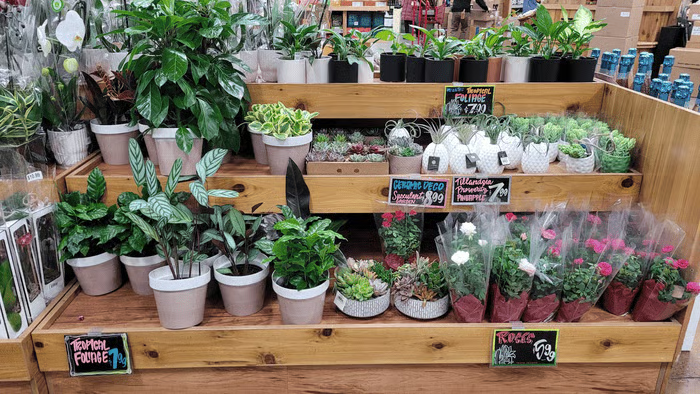
A plant and indoor garden shop sells more than greenery — it offers guidance, inspiration, and lifestyle appeal. Demand for houseplants continues to grow as consumers prioritize home decor, wellness, and low-maintenance ways to bring nature indoors. Popular inventory includes easy-care plants like pothos, snake plants, and monstera, along with planters, soil, and propagation supplies.
Education is a key differentiator in this niche. Shops that help customers choose the right plants for their space, provide repotting services, or host care workshops often see higher conversion rates and repeat visits. Many owners also expand sales by supplying plants for offices, cafes, or real estate staging, creating reliable bulk orders.
Bonus idea: Increase recurring revenue with a plant subscription or loyalty program that offers customers a new plant or accessory each month at a discounted rate.
19. Home decor retailer
Quick facts:
- Startup costs: $25,000-$225,000
- Time to launch: 3-6 months
- Profit margin: 30%-55%
- Best for: Design-focused entrepreneurs, trend-savvy curators, and brand builders
A home decor retailer succeeds by offering a clear point of view. Instead of trying to sell everything, the strongest shops focus on a specific aesthetic — such as modern, boho, minimalist, or globally inspired decor — and curate products that tell a cohesive story. Shoppers are often willing to pay premium prices for pieces that feel distinctive and hard to find elsewhere.
Many owners start with smaller, higher-margin items like wall art, tabletop decor, textiles, and accessories before expanding into furniture. Strong vendor relationships, smart inventory planning, and visual merchandising all play a role in maintaining healthy margins. Consistently refreshing displays helps encourage repeat visits and impulse purchases.
Bonus idea: Add interior styling consultations or pre-bundled decor sets (for example, “entryway refresh” or “shelf styling kits”) to increase average order value and position your store as a design resource—not just a retailer.
20. Fragrance and aromatherapy boutique
Quick facts:
- Startup costs: $12,000-$85,000
- Time to launch: 2-4 months
- Profit margin: 35%-65%
- Best for: Wellness-focused entrepreneurs, creative makers, and boutique-style owners
A fragrance and aromatherapy boutique combines retail with sensory experience. These stores sell products such as candles, essential oils, diffusers, and skincare blends, appealing to customers who prioritize self-care, wellness, and personalization. Because many items are lightweight and giftable, this category supports strong margins and impulse purchases.
Successful boutiques differentiate through curation and education. Offering custom scent blending, clearly explaining scent profiles, or highlighting natural ingredients helps justify premium pricing and builds trust with customers. Workshops and in-store demonstrations can further position the shop as an experience — not just a pace to buy products.
Bonus idea: Expand your audience by partnering with local spas, yoga studios, or wellness practitioners to create co-branded products or host joint events that introduce your brand to new customers.

21. Vape shop
Quick facts:
- Startup costs: $30,000-$125,000+
- Time to launch: 2-5 months
- Profit margin: 35%-65%
- Best for: Product-savvy entrepreneurs comfortable with regulatory compliance
A vape shop serves customers looking for alternatives to traditional tobacco, including devices, e-liquids, and accessories. While demand remains steady in many markets, success depends less on trends and more on compliance, product knowledge, and customer trust. Shops that focus on education and responsible sales tend to build more loyal, repeat customers.
Inventory typically includes starter kits for new users, advanced devices for experienced customers, and accessories with higher margins. Trained staff are essential, as customers expect clear guidance on device use, maintenance, and product differences. Location also matters — vape shops often perform best in areas with established demand and limited direct competition.
Important: Vape retail is heavily regulated. You’ll need to navigate local, state, and federal laws regarding age restrictions, labeling, licensing, and advertising — so be prepared to invest time in staying compliant.

22. Sporting goods store
Quick facts:
- Startup costs: $55,000-$275,000
- Time to launch: 4-8 months
- Profit margin: 22%-45%
- Best for: Outdoor enthusiasts, fitness buffs, and community-focused entrepreneurs
A sporting goods store sells equipment, apparel, and accessories for active lifestyles, ranging from team sports to outdoor recreation. Independent stores are most successful when they avoid competing head-to-head with big-box retailers and instead specialize in a few high-demand niches, such as pickleball, trail running, cycling, or paddlesports.
Inventory planning plays a major role in profitability. Many stores improve margins and accessibility by offering used, refurbished, or consignment gear — particularly for higher-priced items like bikes, skis, or camping equipment. This approach attracts beginners, budget-conscious customers, and environmentally minded shoppers while keeping inventory fresh.
Bonus idea: Build loyalty and foot traffic by hosting clinics, demo days, or group activities like hikes or training sessions. These events help position your store as a local hub for active living, not just a place to buy gear.
23. Smart home and tech accessory retail
Quick facts
- Startup costs: $15,000-$80,000
- Time to launch: 2-4 months
- Profit margin: 30%-65%
- Best for: Tech-savvy entrepreneurs and solution-oriented retailers
Smart home and tech accessory retailers sell products that improve convenience, security, and connectivity in everyday life. Common inventory includes smart locks, video doorbells, home security cameras, lighting systems, Wi-Fi extenders, charging stations, and device accessories. As smart devices become more mainstream, many customers prefer buying from local retailers who can explain options and offer setup guidance.
Independent stores succeed by focusing on education and curation rather than competing on price with online marketplaces. Stocking a limited, well-vetted product lineup and clearly explaining compatibility, features, and use cases helps build trust and reduce returns. Some retailers also offer basic setup or installation services as an add-on, which can significantly increase average transaction value.
This model works well in suburban areas, mixed-use developments, or near residential neighborhoods where homeowners value hands-on support.
Bonus idea: Increase revenue by bundling products into starter kits (for example, “smart apartment” or “home security basics”) or offering paid setup appointments for customers who want a turnkey experience.
Experience-based and hybrid retail businesses
Experience-based and hybrid retail businesses combine product sales with in-person activities or services. These models encourage customers to spend more time in-store, build stronger brand loyalty, and give small retailers a way to stand out from online and big-box competitors.
24. DIY craft studio
Quick facts:
- Startup costs: $18,000-$90,000
- Time to launch: 2-4 months
- Profit margin: 30%-55%
- Best for: Creatives, event planners, and community-minded makers
A DIY craft studio blends retail with hands-on experiences, offering customers a place to create, socialize, and unplug. Popular formats include paint-and-sip events, pottery painting, jewelry making, and seasonal craft workshops. These studios perform well as group-friendly destinations and are often booked for birthdays, team-building events, and private parties.
Revenue typically comes from class fees, materials, and add-on sales such as craft kits or art supplies. Many studios increase profitability by selling take-home kits, featuring goods from local makers, or renting the space for private events during off-hours. Efficient scheduling and clear pricing are key to keeping operations smooth and margins healthy.
Bonus idea: Build predictable revenue by offering memberships or class bundles that encourage repeat visits and help smooth out seasonal demand.
25. Wellness and recovery retail studio
Quick facts
- Startup costs: $30,000-$150,000
- Time to launch: 3-6 months
- Profit margin: 30%-60%
- Best for: Wellness-focused entrepreneurs and owners interested in membership-based revenue
A wellness and recovery retail studio combines paid recovery experiences with product sales in a retail-style setting. These studios typically offer services such as infrared sauna sessions, red light therapy, cold plunge or contrast therapy, and guided recovery experiences, alongside retail products including compression gear, wellness tools, and supplements.
This model benefits from recurring revenue, as many customers sign up for memberships or multi-session packages. Compared to traditional gyms or spas, recovery studios often require less space, fewer staff, and simpler scheduling. Location matters — these businesses perform best near gyms, office districts, or health-conscious residential areas.
Clear pricing, short session times, and a focus on education help build trust and repeat visits. Many owners start with one or two core services and expand offerings once demand is proven.
Bonus idea: Increase retention by offering monthly memberships or bundled recovery packages, and cross-sell retail wellness products customers already use during their sessions.
26. Record store
Quick facts:
- Startup costs: $30,000-$120,000
- Time to launch: 3-6 months
- Profit margin: 18%-40%
- Best for: Music enthusiasts, collectors, and culture-focused entrepreneurs
A record store is both a retail business and a community hub. With vinyl sales continuing to grow, independent shops appeal to serious collectors and casual listeners alike. Successful stores stock a balanced mix of new releases, classic albums, limited pressings, and quality used records to serve different price points and tastes.
What sets independent record stores apart is experience. Listening stations, knowledgeable staff, and a well-organized layout encourage browsing and discovery. Many stores also host events such as album listening parties, live performances, or artist signings, which help drive foot traffic and build a loyal local following.
Inventory curation is critical in this category. Owners who understand their local music scene and rotate stock frequently are better positioned to maintain steady sales and avoid overstocking slow-moving titles.
Bonus idea: Expand beyond local foot traffic by selling rare or collectible records online. An ecommerce channel can significantly increase margins on high-value items while keeping your in-store experience focused on discovery and community.

27. Children’s store
Quick facts:
- Startup costs: $20,000-$100,000
- Time to launch: 3-5 months
- Profit margin: 30%-55%
- Best for: Parents, educators, and entrepreneurs passionate about child development
A children’s store sells thoughtfully curated products that combine play, learning, and practicality. Common inventory includes toys, books, apparel, and gear that parents trust and feel good about buying. Independent stores are most successful when they specialize in a clear niche, such as educational toys, eco-friendly products, or high-quality items for specific age ranges.
Creating a family-friendly shopping experience is a major advantage in this category. Interactive play areas, scheduled storytimes, or hands-on product demos encourage longer visits and repeat customers. Because parents often return for milestones and gifts, strong customer service and product education help build long-term loyalty.
Bonus idea: Add recurring revenue by offering age-based toy subscriptions or seasonal “play kits” that bundle popular items for birthdays, holidays, or developmental stages.
Retail service businesses
While retail traditionally focuses on selling physical goods, retail service businesses deliver services directly to customers in a retail-style environment. These businesses often include walk-in transactions, recurring customers, and add-on product sales.
28. Cleaning services
Quick facts:
- Startup costs: $1,000-$7,500
- Time to launch: 1-4 weeks
- Profit margin: 25%-55%
- Best for: Detail-oriented self-starters and service-focused entrepreneurs
Cleaning services are one of the fastest and most affordable retail service businesses to start. Demand remains strong as households and businesses continue to outsource routine and specialty cleaning. Most startups can launch with basic supplies, insurance, and a reliable vehicle, keeping upfront costs low while allowing for quick entry into the market.
This business typically operates as a mobile service, eliminating the need for a storefront and reducing overhead. Owners can offer a range of services, including residential cleaning, commercial contracts, move-in or move-out cleanings, and deep cleaning projects. Clear pricing, dependable scheduling, and consistent quality are the biggest drivers of repeat business and referrals.
As the business grows, many owners increase profitability by adding recurring service plans or expanding into higher-margin niches. Hiring and training reliable staff becomes the main scaling challenge, but it also opens the door to steady, predictable revenue.
Bonus idea: Niche down to stand out and charge premium rates. Popular options include eco-friendly cleaning, post-construction cleanup, short-term rental turnovers, or pet-friendly services. Offering discounted recurring plans can also help turn one-time jobs into long-term clients.

29. Computer repair services
Quick facts:
- Startup costs: $1,500-$7,500
- Time to launch: 2-4 weeks
- Profit margin: 45%-75%
- Best for: Tech-savvy problem-solvers and service-based entrepreneurs
Computer repair services continue to see steady demand as households and small businesses rely on technology for work, communication, and daily operations. Common services include hardware repairs, virus and malware removal, data recovery, system upgrades, and basic IT troubleshooting. Fast turnaround times and clear communication are often more important to customers than rock-bottom pricing.
Many computer repair businesses start without a storefront, operating as mobile services or offering remote support for software-related issues. This keeps overhead low while allowing owners to serve a wider geographic area. Some operators later add a small retail counter or drop-off location once demand is consistent.
To grow beyond one-off repairs, successful owners position themselves as ongoing tech partners. Small businesses, remote workers, and older customers are especially likely to pay for reliable, repeat support.
Bonus idea: Increase predictable revenue by offering monthly or annual maintenance plans for small businesses or households. These can include regular checkups, priority service, and basic cybersecurity support, helping smooth out income and build long-term client relationships.
30. Car wash services
Quick facts:
- Startup costs: $2,000-$15,000 (manual); $60,000+ (automated)
- Time to launch: 2-6 weeks (manual setup)
- Profit margin: 35%-80%
- Best for: Hustlers looking for hands-on or semi-passive income streams
Car wash services can start as low-cost, mobile operations and scale into more automated, semi-passive businesses. Many owners begin by offering manual or mobile car washes at homes, offices, or parking lots, using basic equipment such as pressure washers, cleaning solutions, and water tanks. This approach keeps startup costs low and allows for quick entry into the market.
As demand grows, some operators expand into self-serve or automated car wash setups. While these models require significantly higher upfront investment, they can generate consistent revenue with less day-to-day labor. Specializing in detailing, eco-friendly cleaning methods, or fleet services for local businesses can further increase margins and repeat bookings.
Location, convenience, and pricing transparency are key factors in customer retention. Car wash businesses that offer fast service and reliable results tend to build strong local followings.
Bonus idea: Boost recurring revenue with membership plans, prepaid wash packages, or fleet discounts for delivery companies, real estate firms, or rental agencies.

31. Landscaping service
Quick facts:
- Startup costs: $6,000-$65,000
- Time to launch: 1-3 months
- Profit margin: 25%-55%
- Best for: Outdoor-focused entrepreneurs and hands-on operators
Landscaping services help homeowners and businesses maintain and improve outdoor spaces, from routine lawn care to full landscape design and installation. This retail service model is especially attractive for new business owners because it can start small and scale gradually based on skill level, equipment, and demand.
Many landscaping businesses begin with basic services such as mowing, trimming, and seasonal cleanups, then expand into higher-margin offerings like planting, hardscaping, or irrigation. Startup costs typically include tools, a reliable vehicle, insurance, and marketing. Visual proof of results — before-and-after photos and referrals — plays a major role in winning new clients.
Cash flow is often easier to manage than in product-based retail, as deposits or milestone payments can help cover material costs. As the business grows, hiring crews and standardizing services becomes the key to scaling.
Bonus idea: Offer bundled seasonal packages, such as spring planting, fall cleanup, or holiday lighting, to create predictable work and encourage long-term client relationships.

32. Gym and boutique fitness studio
Quick facts:
- Startup costs: $60,000-$300,000+
- Time to launch: 4-8 months
- Profit margin: 15%-40%
- Best for: Fitness professionals, health-focused entrepreneurs, and community builders
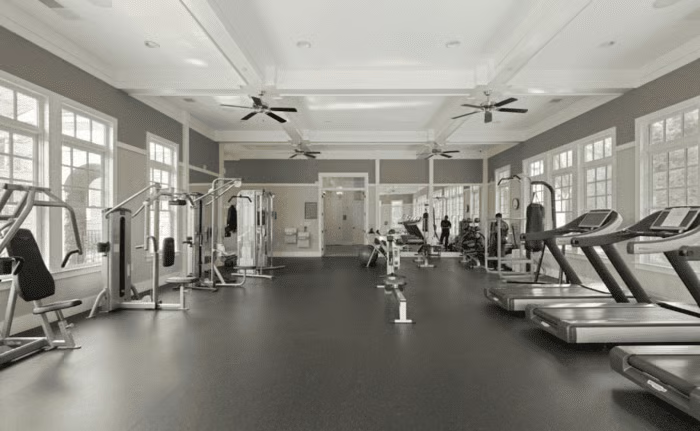
A gym or boutique exercise studio generates revenue through memberships, class packages, and personal training. While startup costs are higher than many retail service businesses, these models benefit from recurring revenue and strong customer loyalty when managed well. Boutique studios, in particular, often outperform traditional gyms by focusing on specific formats such as HIIT, spin, barre, yoga, or strength training.
Success depends heavily on community and programming. Studios that offer consistent class schedules, skilled instructors, and a welcoming environment are more likely to retain members long term. Flexible pricing tiers, small group training, and add-on services like personal coaching can significantly improve margins.
Space planning and equipment selection play a major role in startup costs, so many owners begin with a narrower offering and expand once demand is proven.
Bonus idea: Extend your reach and create additional income streams by offering virtual classes or on-demand workout libraries. This allows you to serve members who can’t attend in person while adding revenue without significantly increasing overhead.
What makes a good retail business idea?
When considering business ideas for retail as an entrepreneur, it’s essential to weigh the factors that will have the biggest impact on your business’ success. It’s rare to find a business idea that excels in every one of these areas, so the goal is to identify opportunities that best align with your resources, business objectives, and personal ambitions:
- Market demand: Understanding and aligning with market demand is crucial for any retail business. The great retail business ideas are often those that meet a clear need or desire in the market, naturally attracting a steady flow of customers. It not only validates your business idea but also ensures its viability and longevity.
- Startup costs: Keeping initial expenses low is important for new businesses, especially when a tight budget is at play. Reduced startup costs allow entrepreneurs to begin their venture with less financial pressure, making it easier to focus on growth rather than immediate profit recovery. This approach also minimizes risk, making the business more resilient to early challenges.
- Profit margins: The potential for high profit margins is key for starting and running a sustainable business. A higher markup on products or services means more revenue can be reinvested in your business, used to cover expenses, and generate profit.
- Scalability: The ability to scale and expand a retail business — through means like opening new locations or launching new product lines — is a crucial factor in whether or not it’s worthwhile. Scalability involves growing the business without incurring significant costs or losing operational efficiency.
- Ease of operation: Operational simplicity is key for a smooth-running business. This includes the ease of setting up the business, managing day-to-day operations, and handling supply chain logistics. A business that is easy to operate can maintain consistency, reduce errors, and improve overall customer satisfaction.
- Competitive landscape: Good retail store business ideas have a unique value proposition that either sets them apart in a saturated market or takes advantage of uncrowded, growing sectors. In an ideal scenario, your market will not be overly saturated but will have healthy demand.
- Flexibility: Flexibility in business operations allows for adaptation to changing market trends and customer preferences, crucial for staying relevant and competitive. A flexible business model can switch strategies, explore new markets, or adjust offerings in response to changes.
- Online integrations: The use of online sales or marketing channels is increasingly important in today’s retail world. If a business doesn’t translate well to having an online presence, it can inhibit its ability to reach customers.
- Community impact and environmental sustainability: A business’ reputation and customer loyalty are influenced by its positive impact on the community and environment. Ethical consumers are increasingly drawn to businesses that contribute to social causes and are mindful of their ecological footprint, making it a crucial factor.
Frequently asked questions (FAQs)
These are some of the most common questions we get about retail business ideas.
What retail businesses can I do from home?
Ecommerce is the best type of retail business to do from home. But some other physical retail store ideas that allow you to manage your business from home, while taking the product or service to the customer or client instead of renting a storefront. These ideas include computer repair service, permanent jewelry application, and cleaning services.
What are the most profitable retail business ideas?
Recent studies show that many of the most profitable retail businesses are in the specialty beverage sector, such as wine bars and tea houses. This comes from the ability to command premium pricing from a dedicated customer base while forming close relationships with bulk suppliers.
What are the easiest businesses to start?
Low-risk and low-investment businesses are the easiest to start. Cleaning, landscaping or gardening, and computer repair services are easy options if you have the skills.
Bottom Line
Every retail business idea on this list offers a distinct opportunity — whether you’re working with limited funds, leveraging a specific skill, or aiming to meet a rising market demand. The key is to choose an idea that aligns with your strengths and interests and has clear potential for profitability. With the right planning and execution, you can turn a simple concept into a successful, thriving retail business.
