







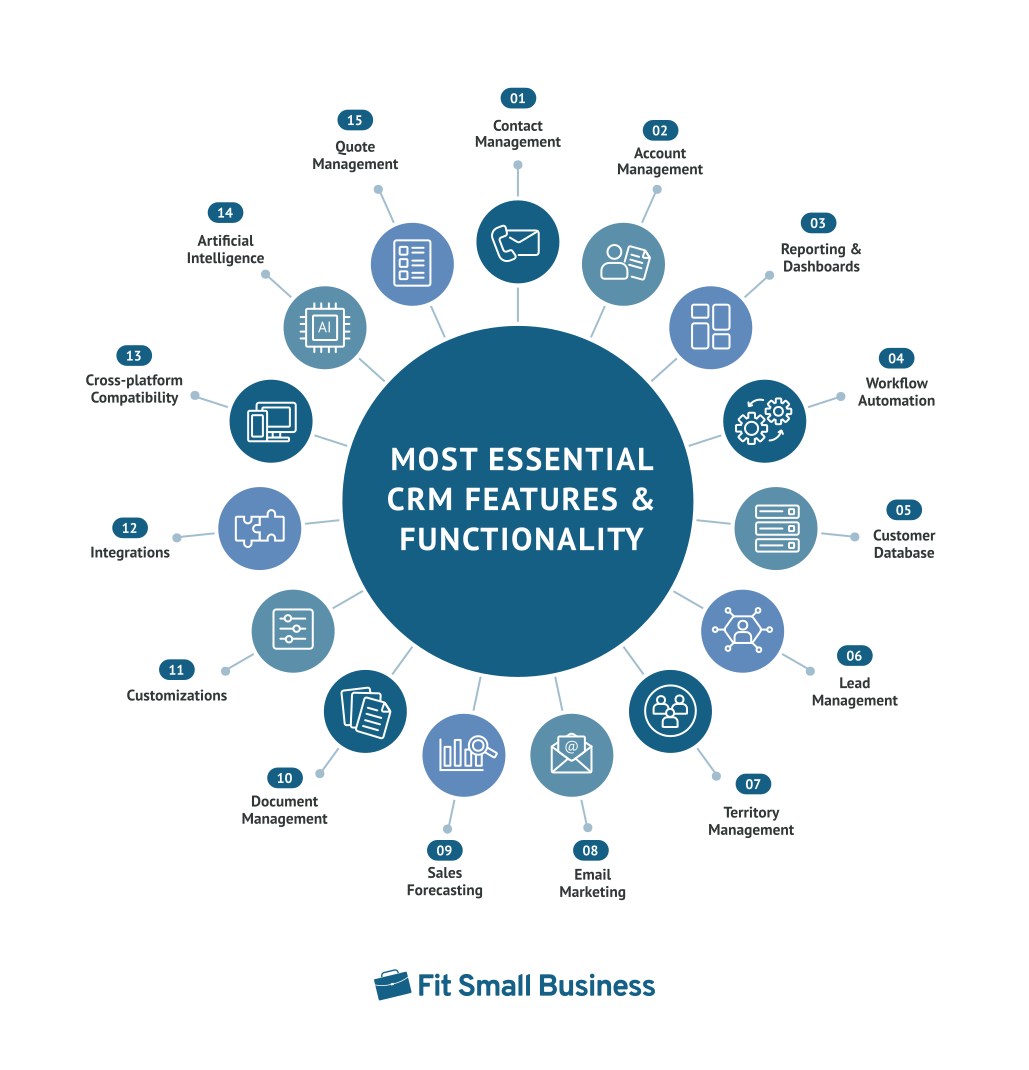
Customer relationship management (CRM) software offers various tools to help businesses improve relationships with their customers and manage their sales processes more efficiently. We’ve identified the 15 most essential CRM features and functionalities to consider when choosing and evaluating CRM systems to subscribe to so you can make the most of your investment.
Learn more about the most popular CRM system features and how to choose the best platform for your team in our comprehensive CRM e-book.
The Expert’s Guide to Customer Relationship Management
Small Business Use Cases + Pro Tips
Essential CRM Functionality & Features to Consider
Here’s a closer look at how these features benefit your business, with examples from some of the best CRM systems for small businesses. Click on the drop-down menu below to explore each CRM functionality.
1. Contact Management
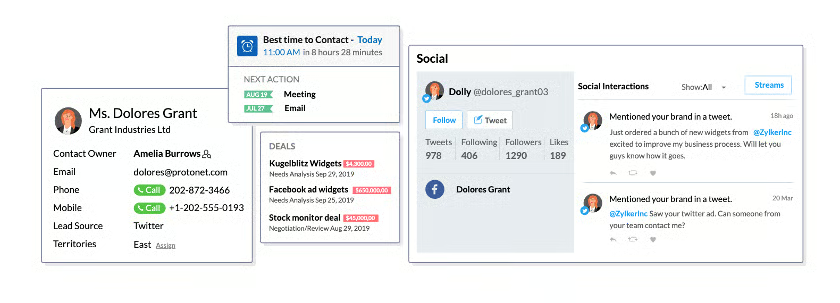
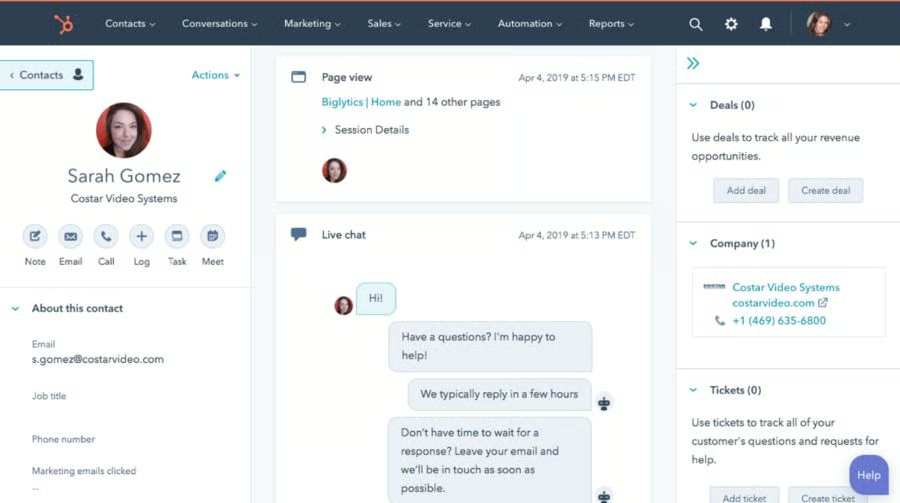
Contact management is a core customer relationship management (CRM) feature that allows you to create, store, track, and organize information about your prospects, leads, and customers. Details include names, addresses, contact numbers, social media accounts, job titles, and company details. While you can use a simple spreadsheet to store the information, a CRM system centralizes the information and makes it easier for multiple users or departments to access them at any time.
The contact management feature is especially useful when sales representatives need to reach out to their leads and get an overview of their profiles before starting a meeting. They can simply pull up the contact entry from the CRM and note the important details to personalize their conversation and outreach.
2. Account Management
Account management is a stage in the sales process applicable to the purchase of a product or service where continued servicing of a customer is required. For example, a construction project that usually lasts for months or years is considered an account that a business requires to ensure that the customers’ needs are met. This is done through activities such as upselling and cross-selling.
The account management feature is crucial in ensuring all tasks for a specific client or project are monitored and delivered on time. It also allows users to monitor various metrics like average revenue per account (ARPA) and win rate to determine an account’s health. This also lets users track conversations to understand whether customers are satisfied with their product or service.
3. Reporting & Dashboards
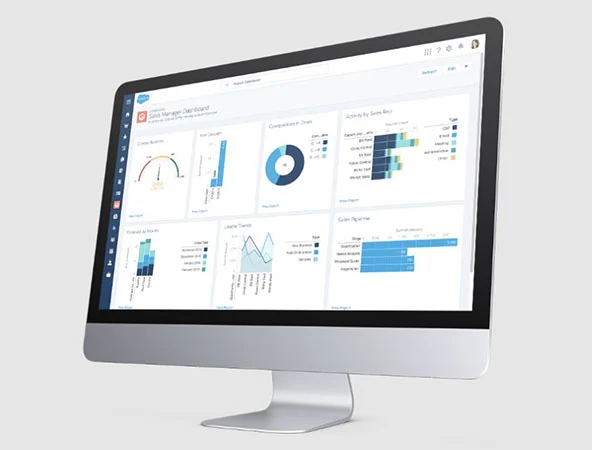
CRM reports and dashboards provide users with the data and metrics to monitor their business performance. They typically include an overview of sales activities, revenue status, new leads, sales pipelines, and key performance indicators (KPIs). This data is presented through visualization tools such as charts and graphs.
CRM reporting tools help you make educated business decisions based on reliable, real-time data. This data helps spot business trends and identify your company’s strengths and weaknesses. In addition, you can use compiled data to track your marketing campaigns and determine at which touchpoints your customers are most engaged.
4. Workflow Automation
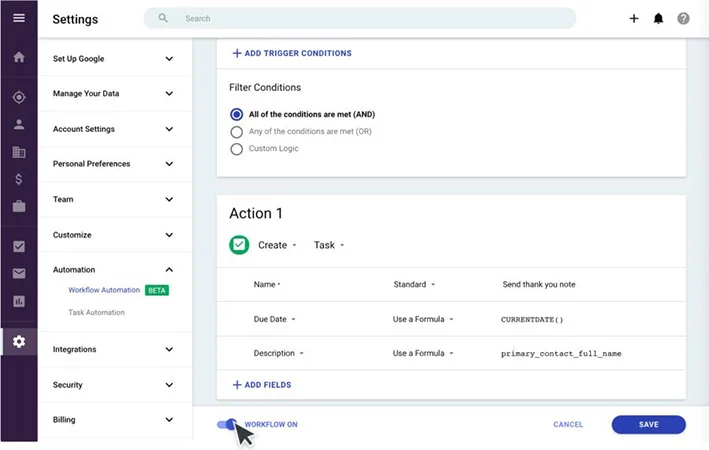
CRM workflows automate steps to complete sales processes based on predetermined rules and conditions. It automates actions triggered by certain events such as field entries, customer actions, or inactivity in your various CRM tasks like deal management or email automation. When certain criteria are met, actions like automatically sending email alerts to customers or task reminders to follow up with a particular lead will take place.
There are different types of workflows you can create in your CRM platform. Some include deal management workflows, email marketing automation workflows, lead scoring workflows, and customer feedback workflows. Workflow automation helps salespeople reduce manual work as the system helps them move things along through various sales stages with intelligent triggers.
Our guide to the best sales automation software provides expert evaluation of the top tools you can use to enhance your sales process. In addition, learn more about other workflows you can create in your CRM software in our article on the best samples of great CRM workflows.
5. Customer Database
A customer database is one of the most fundamental CRM functionalities that helps you organize customer information and manage your interactions with them. The content of this database includes your customer’s personal information, the lead source, points of contact with the customer, and levels of engagement.
It also allows you to access sales and marketing data associated with a particular contact, including purchase history. You can use the stored data in your customer database to uncover your customers’ preferences, identify your top customers, and gauge your sales performance.
6. Lead Management
Lead management is the process of capturing leads (potential customers), monitoring their activities and behavior, qualifying them, and nurturing them to convert them into paying customers. A CRM solution’s lead management feature helps businesses organize and prioritize their leads to prevent missed follow-ups and improve overall engagement.
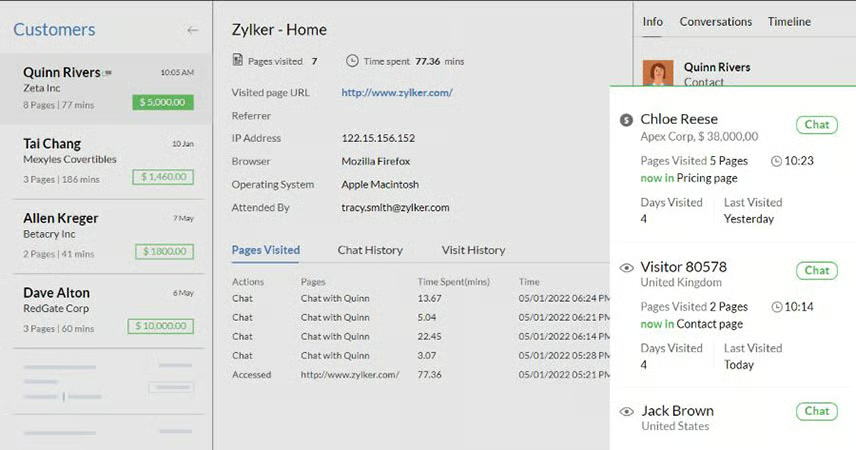
The lead management process starts with automatically capturing lead data in your CRM system. The software then tracks the activities and behavior of that lead, including the web pages they visit and the conversations you have with them. After that, the leads are distributed to relevant salespeople or departments, depending on their location, interests, and other factors you define.
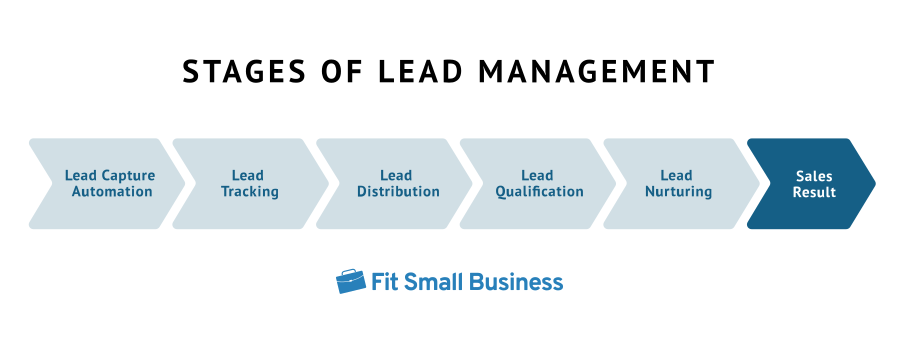
The lead qualification and scoring process starts once your company gets in contact with your lead. At this stage, leads are checked to determine which ones are worth pursuing, and those that show interest in your product or service are passed on to the lead nurturing cycle, where they receive multi-channel engagement via email, text messages, or social media. Once they become sales-ready, they are passed on to a sales rep or a member of the sales management team.
7. Territory Management
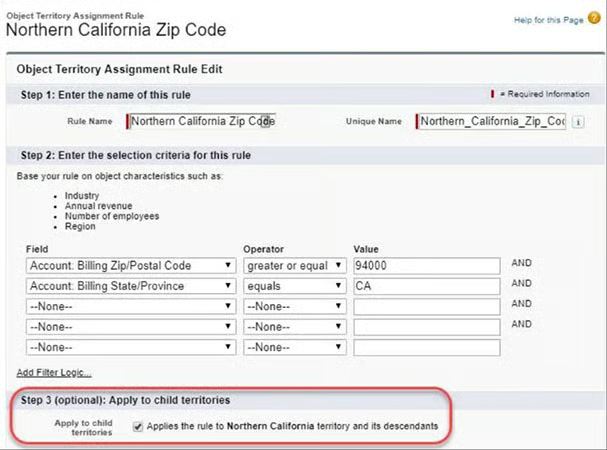
Territory management is an essential CRM tool that lets you assign leads or accounts to specific sales agents based on geography, industry, product, or account size. This allows your agents to specialize in specific geographies or industries, making their lead management tasks more efficient. For example, an agent focusing on the healthcare industry allows them to know the ins and outs of navigating the landscape, such as compliance and patient data privacy regulations.
There are various territory segmentations you can set in your CRM system. The most common ones include location, customer size (number of customers assigned to a specific agent), and business industry. In some cases, hybrid segmentation may be used, which entails combining segments for better efficiency. For example, an agent may be assigned two territories: retail industry in a specific geographic location.
8. Email Marketing
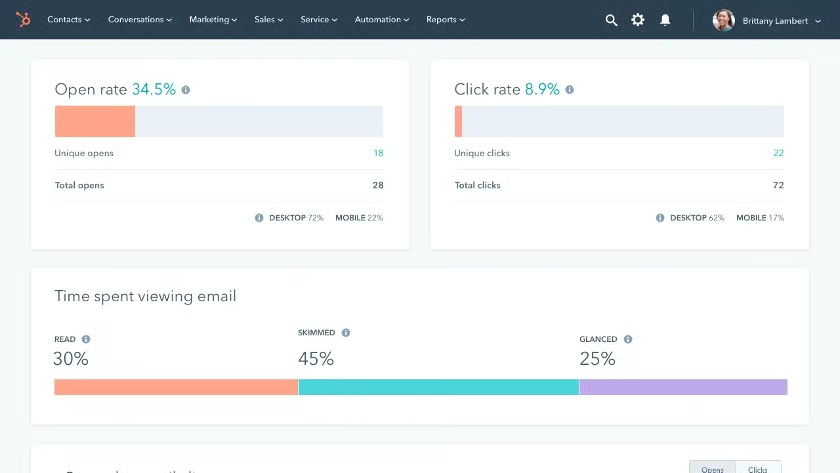
A CRM solution with email marketing capabilities lets you send professional-looking individual or mass emails to your leads and contacts directly from your CRM system. It typically includes premade email templates, email automation, and email campaign monitoring features. The emails sent out are personalized based on the customer data gathered by your CRM and their stage in the sales funnel, which fosters customer engagement and helps drive sales.
9. Sales Forecasting
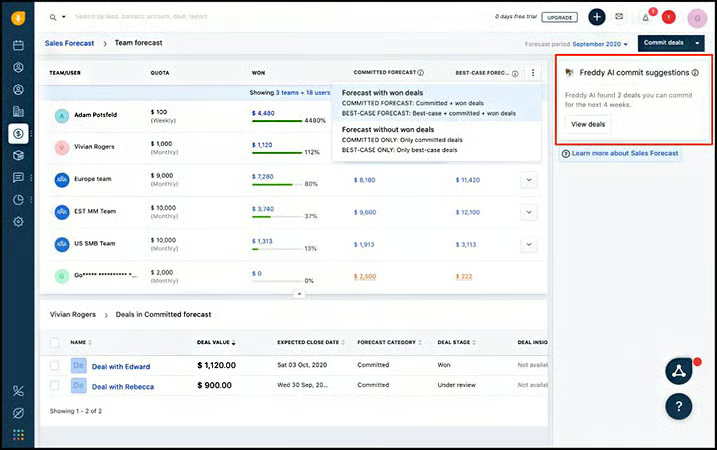
A sales forecast predicts when sales opportunities may close within a particular given time, as well as the corresponding revenue they bring. Most modern CRM systems with sales forecasting capabilities leverage artificial intelligence (AI) to create predictions based on the available information. These include lead quality and the estimated amount of revenue for each opportunity.
10. Document Management
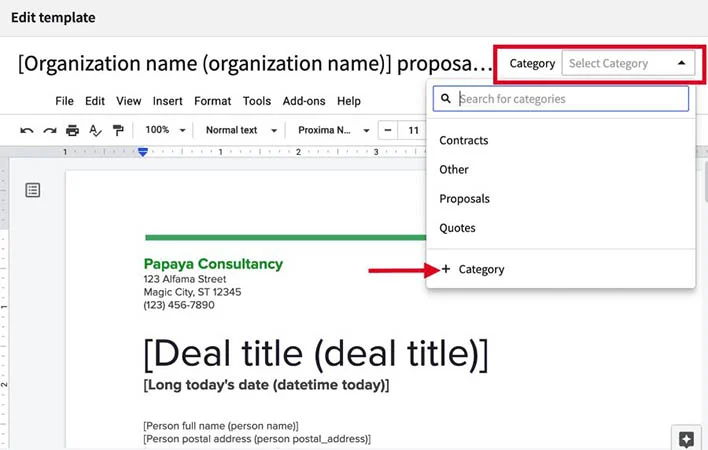
A CRM document management feature helps you capture, store, track, and share electronic documents. These may include business proposals, contracts, and digital scans of your business files. This feature allows team members or departments to access the documents from a centralized location without exiting the CRM app. You can also customize who can access specific files and who is authorized to modify them.
With a built-in document management feature in a CRM, you no longer need to scan documents and share them with other team members manually. It also enables faster response times and improves employee efficiency because customer-related documents can be easily retrieved from your CRM.
11. Customizations
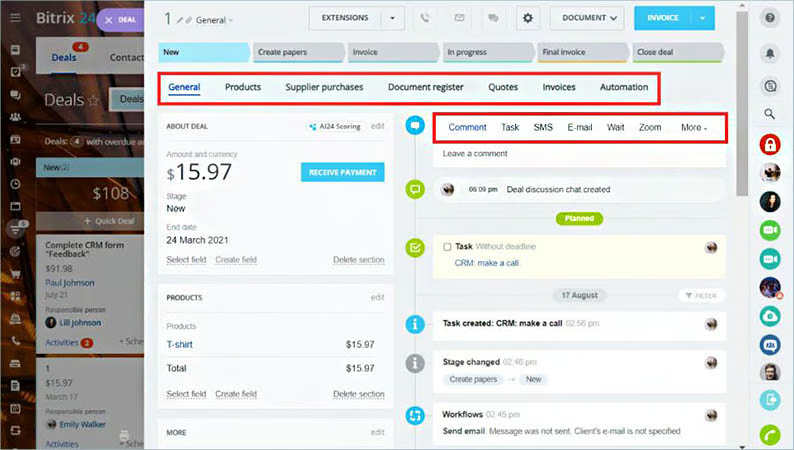
Every CRM offers a different set of customization options. However, the most significant ones involve your sales cycle, lead scoring variables, opportunities, and types of contact details you save. Most CRM systems allow you to add new or alter existing features to make the program a better fit for your business needs. CRM customization also covers sales and marketing tools or modules that you can turn on and off, depending on your specific business needs.
If you provide marketing services or resell third-party solutions to other companies, we recommend reading our guide to white label CRM software to see which provider offers the best package for you. This type of CRM is highly customizable and can be configured to fit the needs of your customers.
12. Integrations
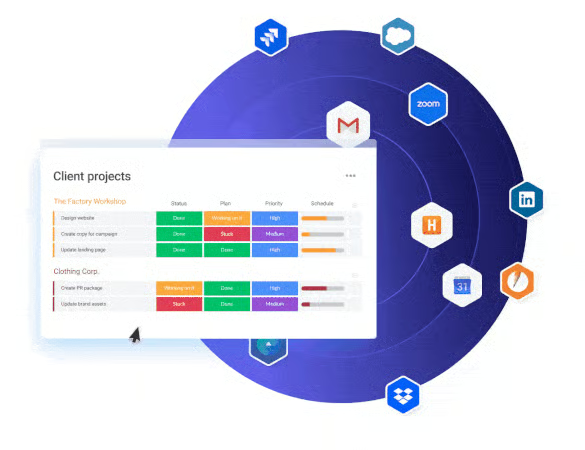
A CRM integration is a key CRM functionality that seamlessly connects your CRM app with third-party software. These connections help extend the capabilities of your CRM system and allow you to address gaps in its features. It improves productivity through workflow automation by giving you and your team access to all the data (and often much of the CRM functionality) of both systems in a single platform.
For example, email integration lets you access your contacts and email inbox within your CRM. It also helps you improve your lead nurturing efforts by letting you use email templates and email drip campaigns from your CRM. Marketing software integration, on the other hand, allows you to track lead status, manage sales activities, and send drip marketing emails to prospects.
13. Cross-platform Compatibility
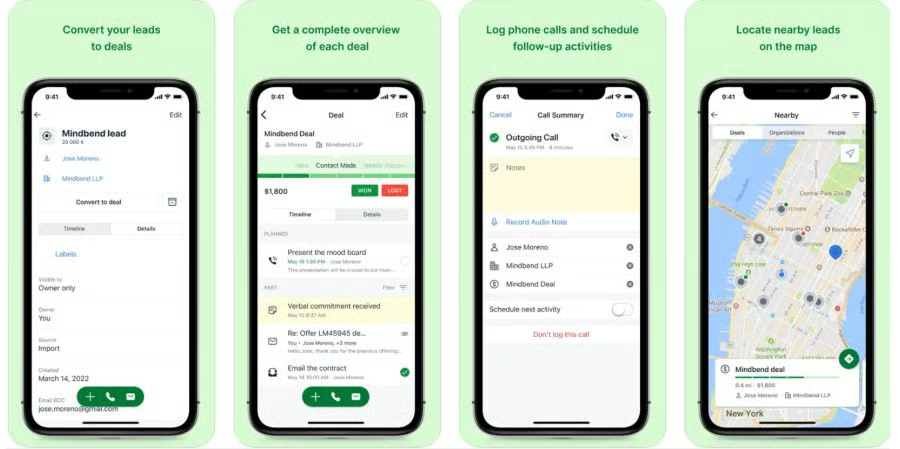
Cross-platform compatibility is an essential CRM functionality because most businesses run their devices on various operating systems. Therefore, when looking for CRM software, it is best to choose apps that support several operating systems, including Windows and macOS.
The availability of iOS and Android apps is also key, especially for sales teams with remote and field workers who need to access their CRM from mobile devices. Robust mobile apps give you access to core CRM features and data, including updating lead information and tasks, moving sales pipelines to different stages, and communicating with customers and prospects.
14. Artificial Intelligence
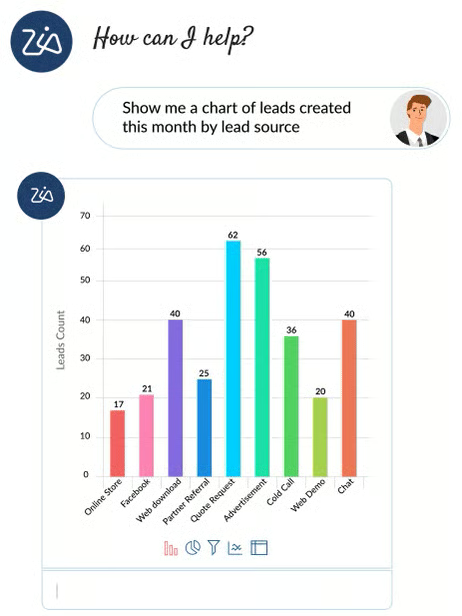
Artificial intelligence (AI) is a technology that simulates human intelligence processes. Many providers are now integrating AI features into their CRM systems to improve users’ efficiency and productivity. One of the popular applications of AI in CRM is machine learning (ML), which teaches the program to change conditions based on patterns and inference instead of set rules. Other applications are predictive analytics and customer sentiment analysis.
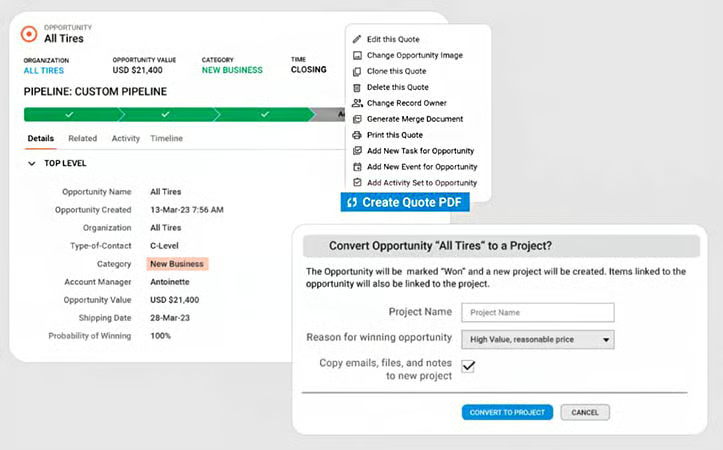
15. Quote Management
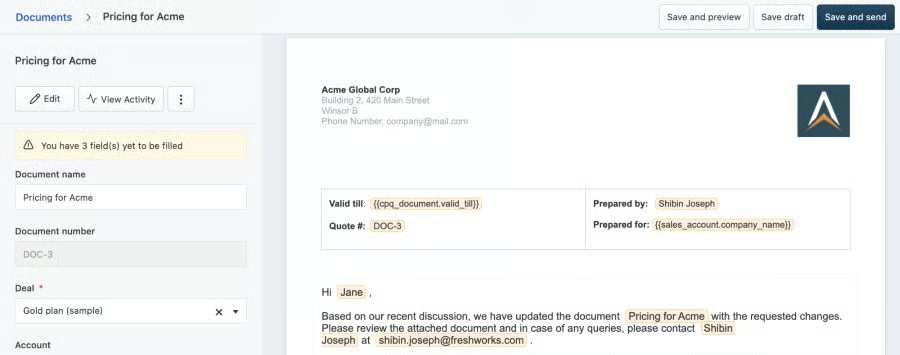
Quote management involves creating, sending, tracking, and managing quotes associated with sales opportunities. This lets a business provide its prospects with accurate and current pricing information. It also helps sales teams monitor the progress of and follow up on deals, especially if they require pricing negotiations.
Key Statistics on the Top CRM Features
There are some CRM functions users rate highly, such as workflow automation and text messaging. The statistics below show the features users value the most and how you can optimize your CRM:
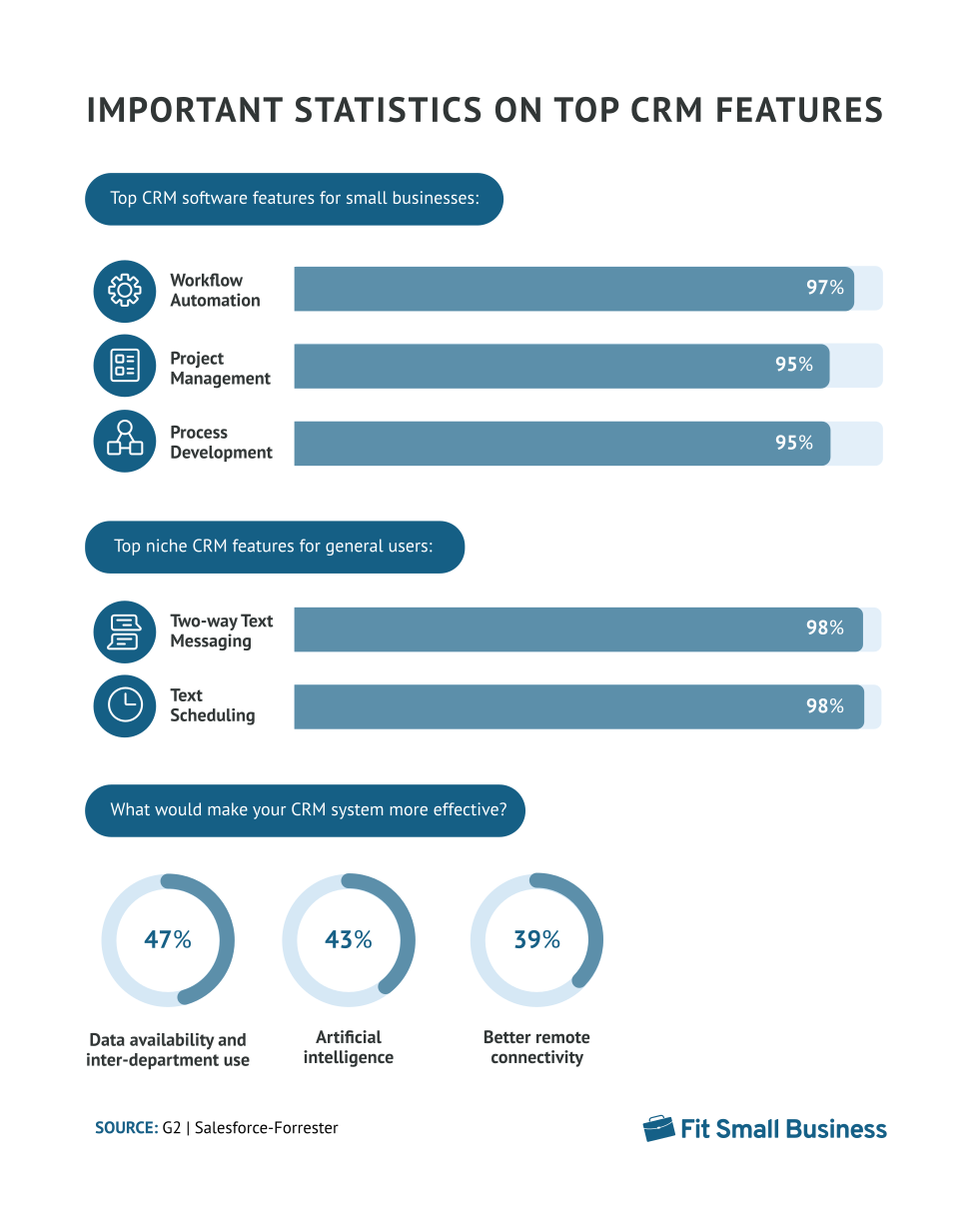
Small businesses rank workflow automation (97%) as the top CRM functionality.
Takeaway: The next best CRM features are project management (95%) and process development (95%). This shows how crucial CRM workflows are to small businesses as they help improve efficiency and productivity by automating repetitive sales tasks and activities. This frees up reps’ time so they can focus their efforts on building customer relationships and closing more deals.
(Source: G2)
For general users, the highest-rated niche features of a CRM are two-way text messaging (98%) & text scheduling (98%).
Takeaway: Not all cloud-based CRMS offer Short Message Service (SMS) capabilities out-of-the-box. Some use third-party integrations to access these features. With text messages, you can deliver faster, more precise responses to customer inquiries. You can also quickly collect phone numbers when prospects opt in to receive SMS messages and send automated promotional messages.
(Source: G2)
Almost half (47%) of employees think their CRM would be more effective if they could use it across different departments.
Takeaway: Data availability and inter-departmental use of CRMs helps ensure the same information is available to your sales, marketing, and service teams. This also helps your company provide consistent support to your customers.
(Source: Salesforce-Forrester)
43% of employees believe AI features could make their CRM systems more effective.
Takeaway: The popularity of artificial intelligence (AI) is increasing every year, and even employees who work at global companies agree. In fact, almost half of them believe AI could enable their CRM systems to provide deeper insights and proactive recommendations for their sales activities.
(Source: Salesforce-Forrester)
More than a third (39%) of employees think better remote connectivity could make their CRM software more effective.
Takeaway: For hybrid remote sales teams, a CRM program with excellent remote capabilities can help them better serve and engage their customers wherever they are. If your team is scattered across different locations, it is best to choose a provider that allows you to access essential CRM features like lead and deal management on mobile devices, even when offline.
(Source: Salesforce-Forrester)
Bottom Line
Many providers and types of CRMs are available in the market, and each one offers a slightly different set of features and functionality. When choosing CRM software, it is crucial to do your research to ensure the provider you choose has all the basic CRM features and functionality you need. Our CRM features list above outlines the most fundamental characteristics of a robust CRM platform.
